Road safety and pavement durability are critical factors in modern transportation infrastructure. As traffic volumes continue to increase, cities and highway authorities are adopting durable colored anti-skid road surfacing systems to improve skid resistance, traffic guidance, and long-term pavement performance.
These high-friction surfacing solutions combine strong adhesion, wear resistance, and bright visual identification to create safer roads for vehicles, cyclists, and pedestrians.
Colored anti-skid road surfacing systems are specially engineered pavement coatings designed to enhance traction and reduce skidding risks in high-risk traffic areas. The system typically consists of high-strength resin binders combined with durable colored aggregates that create a textured, slip-resistant surface.
Common materials include:
Colored ceramic aggregates
MMA resin binders
Epoxy or polyurethane systems
Water-based anti-slip coatings
High-friction mineral aggregates
The colored surface improves visibility while the anti-skid texture enhances braking performance and vehicle stability.
High-friction pavement significantly increases tire grip, especially during wet weather, sharp turns, steep slopes, and emergency braking situations. This helps reduce traffic accidents and improves overall driving safety.
Durable resin systems and wear-resistant aggregates provide excellent resistance to abrasion, heavy traffic loads, UV exposure, and harsh environmental conditions.
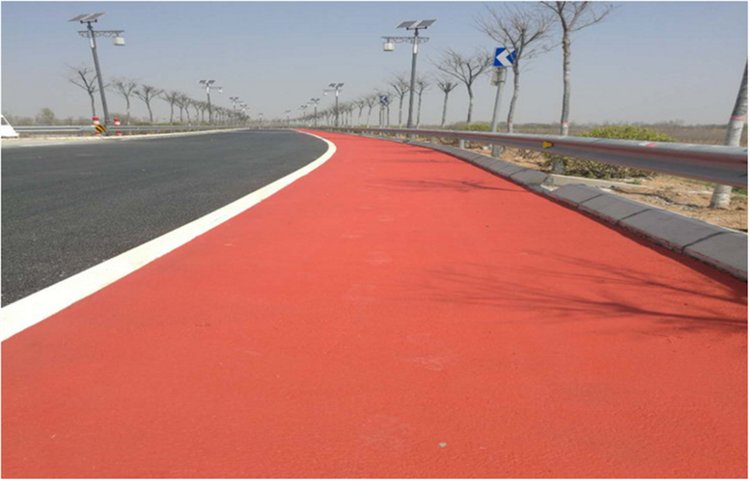
Colored pavement helps drivers quickly identify specific traffic zones such as bicycle lanes, bus lanes, pedestrian crossings, and hazardous road sections.
Modern MMA and waterborne systems allow fast installation and quick reopening to traffic, reducing construction downtime and minimizing disruption.
The strong bonding performance and weather resistance of anti-skid surfacing systems reduce maintenance frequency and lower lifecycle costs.
Durable colored anti-skid surfacing systems are commonly used in:
Urban intersections
Highway ramps
Curved road sections
Bicycle lanes
Pedestrian crossings
Bus rapid transit lanes
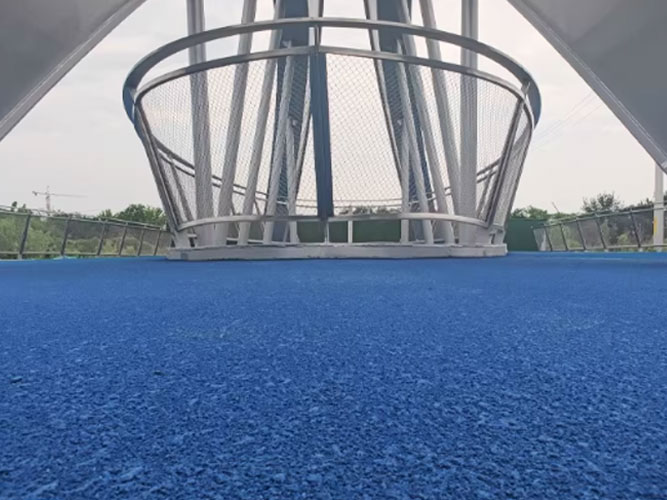
Bridge decks
Parking ramps
School safety zones
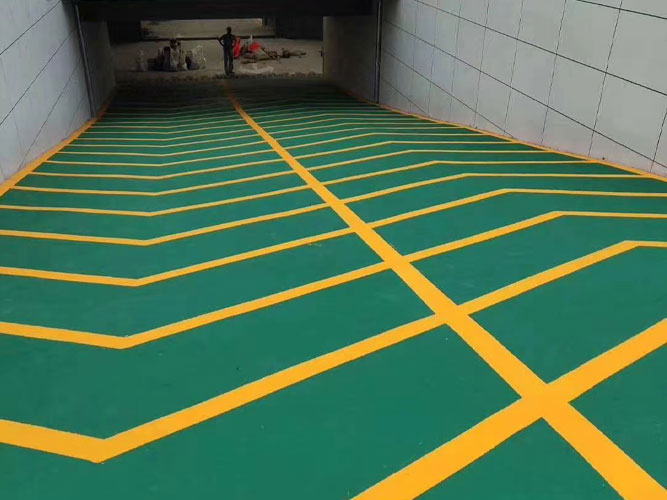
Tunnel entrances and exits
These applications improve traffic organization while increasing road safety for all users.
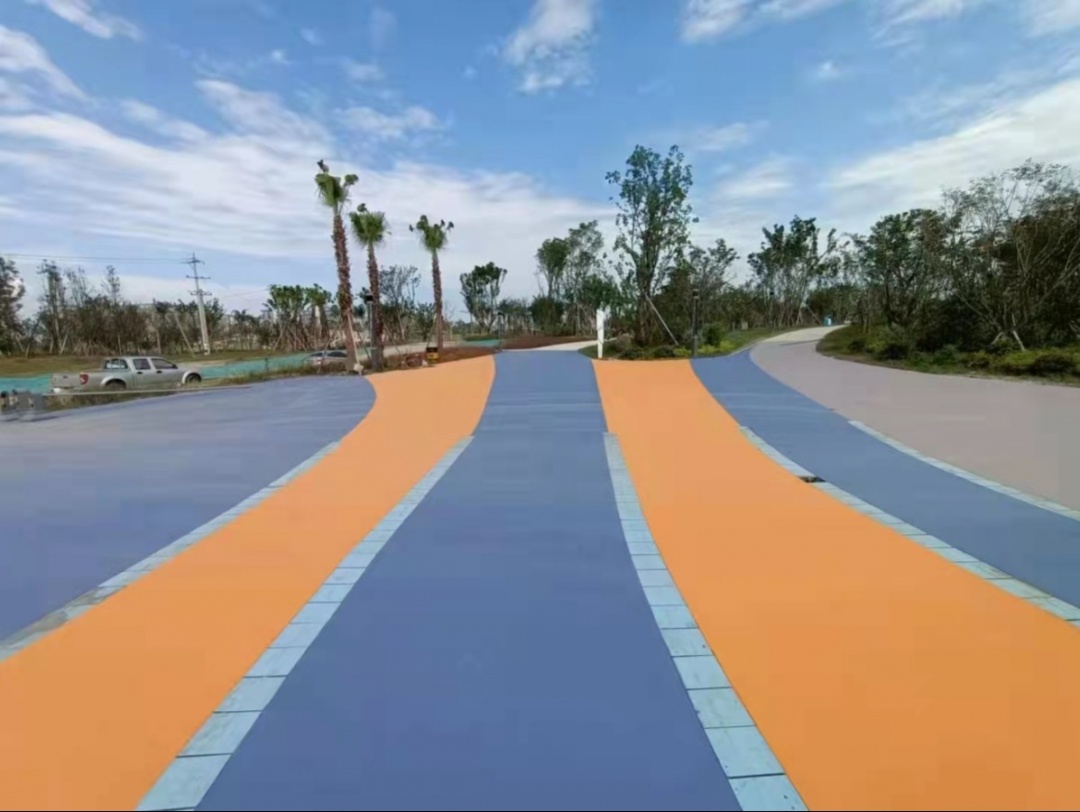
Different pavement colors are often used for traffic management and urban design purposes:
Red — bus lanes, safety zones, and warning areas
Green — bicycle lanes and eco-friendly pathways
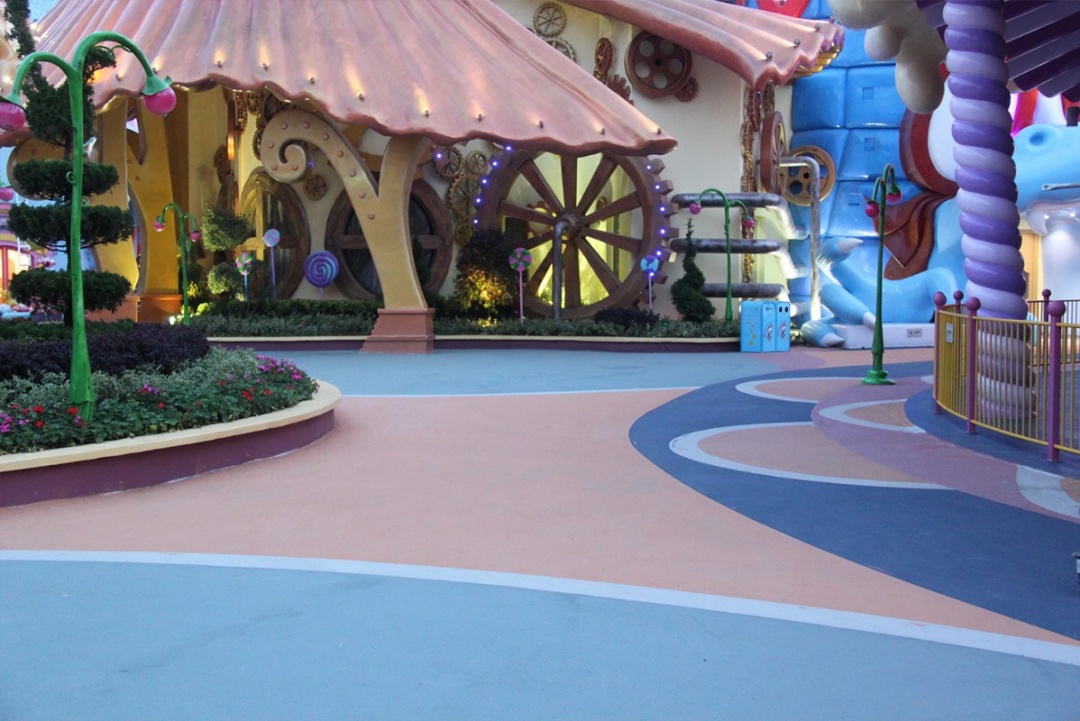
Blue — pedestrian guidance and public spaces
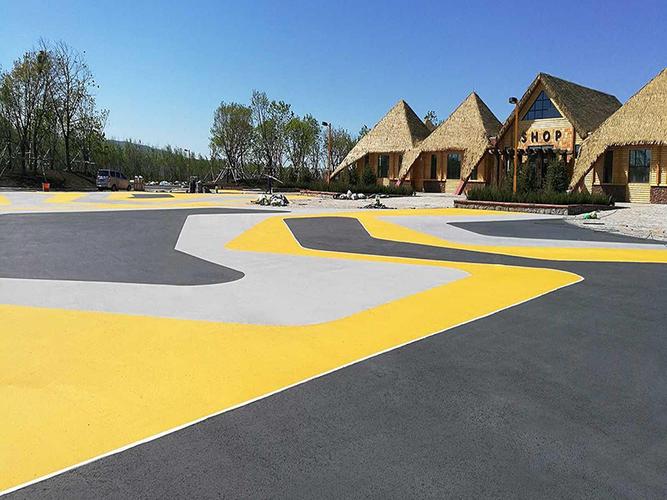
Yellow — caution areas and accessibility zones
Gray — modern urban landscape integration
Color-coded pavement improves road recognition and supports intelligent traffic systems.
Smart city infrastructure focuses on safety, sustainability, and efficient transportation management. Colored anti-skid pavement systems support these goals by improving traffic flow, reducing accidents, and enhancing the visual quality of urban environments.
In addition, environmentally friendly water-based materials and durable resin technologies contribute to sustainable infrastructure development and lower environmental impact.
The future of anti-skid pavement systems includes:
Eco-friendly low-VOC materials
Higher friction performance
Solar reflective coatings
Intelligent traffic guidance integration
Longer-lasting color stability
Faster-curing resin technologies
These innovations will continue improving road safety and pavement efficiency worldwide.
Durable colored anti-skid road surfacing systems provide a reliable and cost-effective solution for improving traffic safety and pavement performance. Their combination of skid resistance, durability, and visual guidance makes them ideal for modern transportation infrastructure.
As cities continue investing in safer and smarter roads, colored anti-skid surfacing technology will remain an essential component of future urban development.