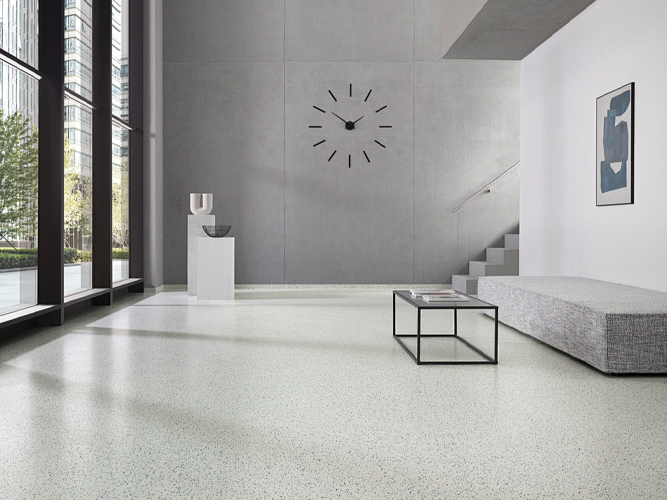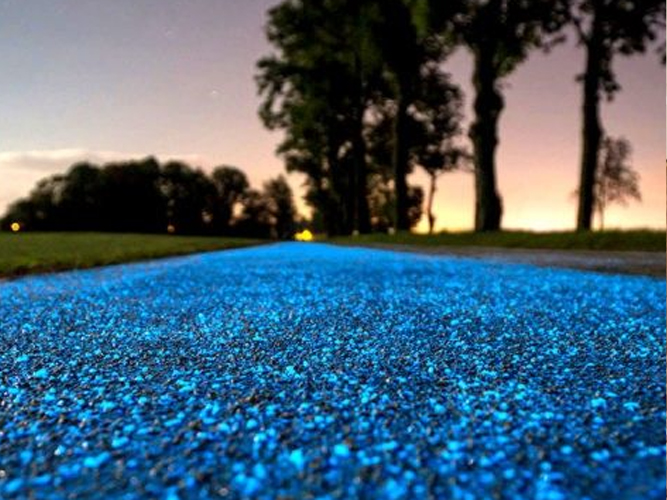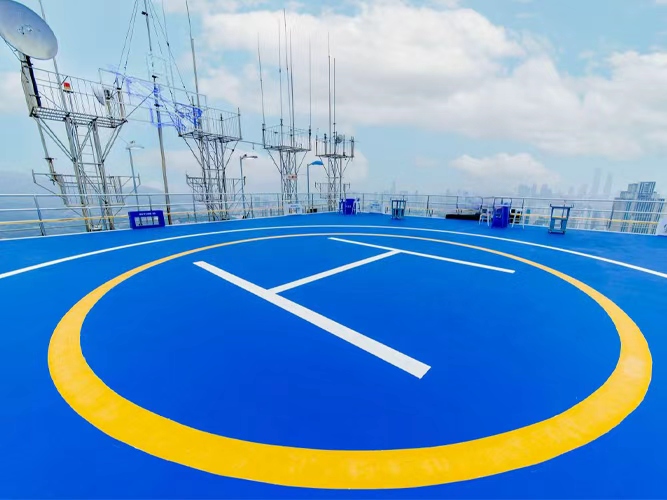
Colored non-slip pavement solutions are advanced surfacing systems designed to improve safety, durability, and visual appearance in transportation and public infrastructure projects. These pavements combine colored binders with anti-skid aggregates to create high-friction surfaces that help reduce slipping and skidding accidents for both pedestrians and vehicles. They are widely used in bike lanes, pedestrian crossings, bus lanes, sidewalks, parking lots, industrial zones, and public spaces.
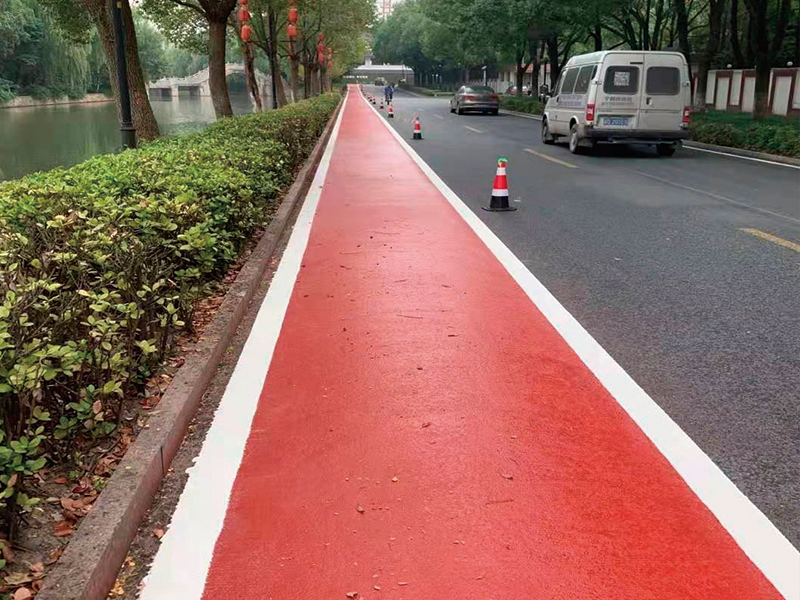
One of the major benefits of colored non-slip pavement is enhanced traffic safety. The textured anti-slip surface increases tire grip and pedestrian traction, especially in wet or high-traffic conditions. This helps shorten vehicle braking distances and minimizes the risk of accidents on intersections, ramps, and sharp curves. For pedestrian areas, the non-slip finish improves walking safety during rain or humid weather.
Colored pavement systems also provide clear visual guidance for traffic management. Bright colors such as red, green, blue, and yellow are commonly used to separate traffic zones and identify specific road functions. For example, red surfaces are often applied to bus lanes, while green pavement is popular for bicycle paths. These color distinctions improve road visibility and help organize urban traffic flow more efficiently.
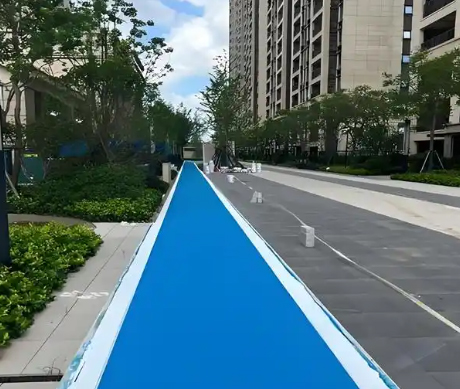
Modern colored non-slip pavement materials are engineered for long-term performance. Common systems include MMA resin pavement, water-based anti-skid coatings, epoxy surfacing, and polymer-modified micro-surfacing. These materials offer excellent wear resistance, UV stability, waterproof protection, and strong adhesion to asphalt or concrete surfaces. High-quality ceramic particles and mineral aggregates further enhance surface durability and skid resistance.
Environmental sustainability is another important advantage. Many modern pavement systems use low-VOC and water-based materials that reduce environmental impact during installation and maintenance. Fast curing performance and easy application also help minimize road closure times and maintenance costs.
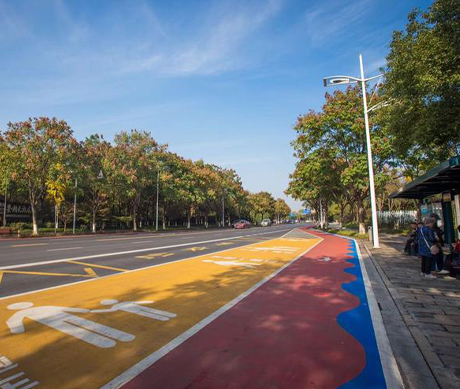
With the increasing demand for safer and more attractive infrastructure, colored non-slip pavement solutions have become an important choice for modern road construction and urban development projects.