High-durability colored micro surfacing is an advanced road preservation technique designed to extend pavement life, improve skid resistance, and enhance surface appearance. It is widely used in urban roads, highways, bus lanes, bicycle paths, and maintenance projects where both functional performance and visual identification are important.
This technology combines polymer-modified emulsions, fine aggregates, pigments, and additives to create a thin, high-performance wearing layer that restores and protects existing pavement surfaces.
Colored micro surfacing is a cold-applied mixture composed of:
Polymer-modified asphalt emulsion or resin binder
Fine mineral aggregates (crushed stone or quartz sand)
Color pigments for visual differentiation
Mineral fillers and performance additives
The mixture is spread in a thin layer over existing asphalt or concrete, forming a durable, textured surface after curing.
Unlike traditional resurfacing, it does not require full pavement reconstruction.
One of the primary purposes of micro surfacing is to protect and extend the life of existing road structures. It acts as a preventive maintenance layer that seals minor surface defects and slows pavement deterioration.
Benefits include:
Prevents water infiltration into pavement layers
Reduces surface oxidation and aging
Seals small cracks and raveling
Delays need for major reconstruction
This makes it a cost-effective long-term preservation method.
The textured surface created by micro surfacing significantly improves friction between tires and road surfaces. This is especially important in wet or high-traffic conditions.
Safety benefits include:
Improved braking performance
Reduced skidding risk on curves and intersections
Better traction for bicycles and pedestrians
Enhanced safety in rainy conditions
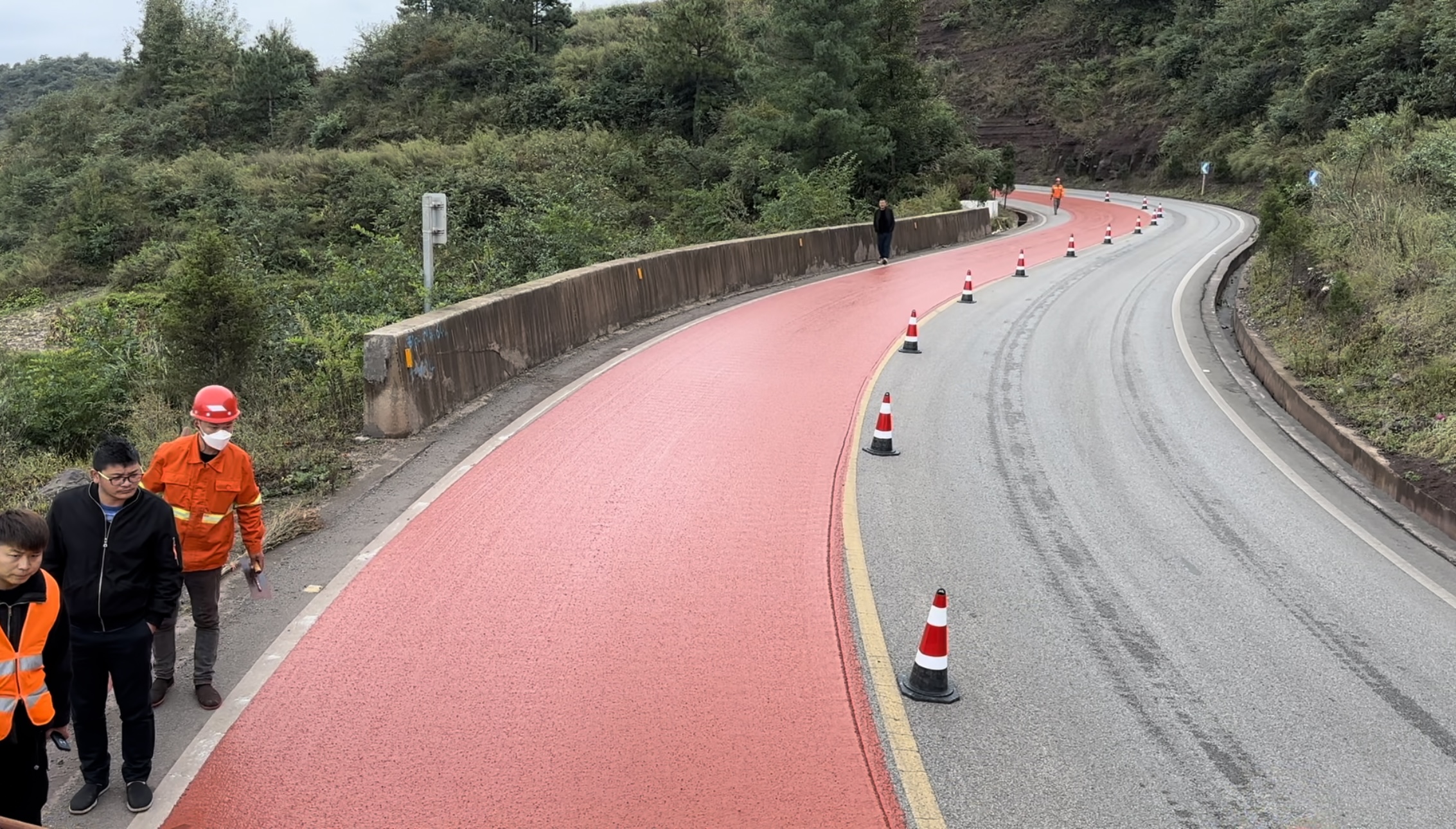
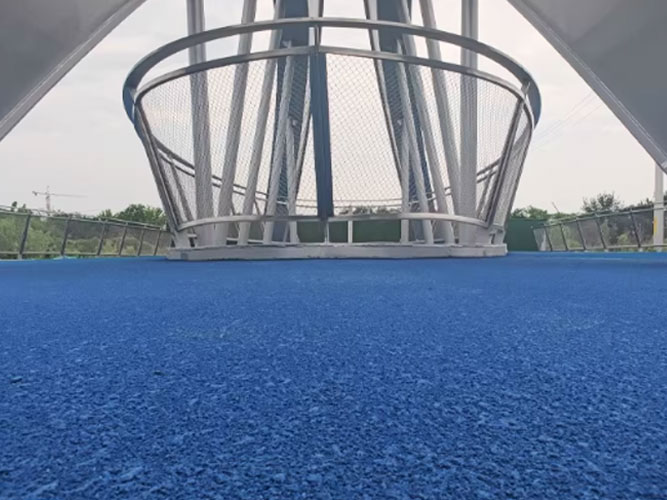
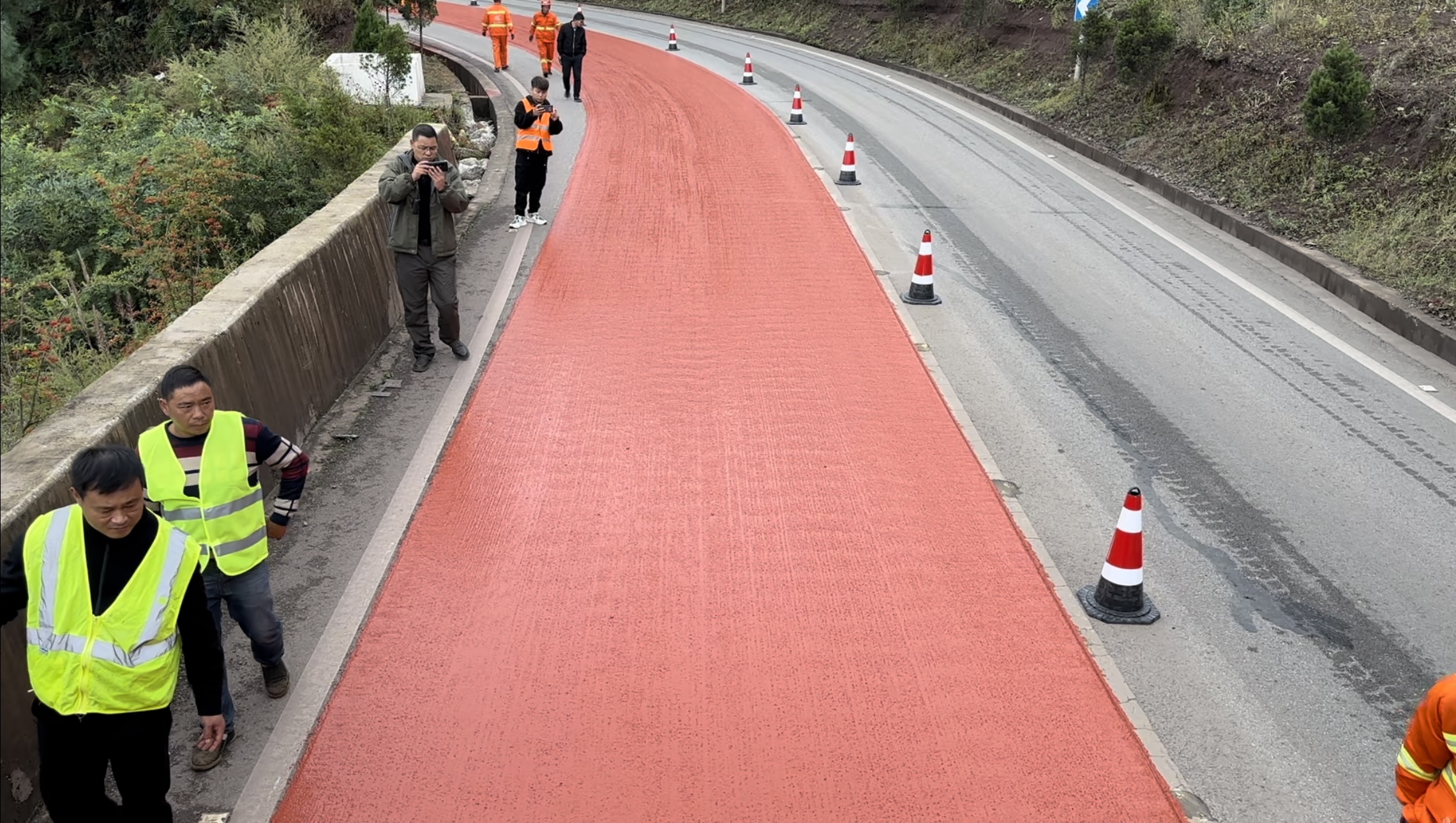
Adding color pigments allows micro surfacing to serve both functional and visual roles in traffic management. It helps clearly define different road uses and improves urban mobility systems.
Common color applications include:
Red: bus priority lanes
Green: bicycle corridors
Blue: pedestrian or shared pathways
Gray or natural tones: general traffic lanes
This improves road clarity and reduces user confusion.
Compared with full-depth pavement reconstruction, colored micro surfacing offers significant cost savings.
Advantages include:
Lower material and labor costs
Faster installation and reopening
Reduced need for heavy construction equipment
Extended maintenance intervals
It is widely used by municipalities for budget-efficient road preservation.
Micro surfacing is a cold-mix process that can be quickly applied and cured, minimizing disruption to traffic flow.
Key benefits:
Rapid application over large road sections
Short curing time under normal conditions
Suitable for nighttime or phased construction
Reduced road closure durations
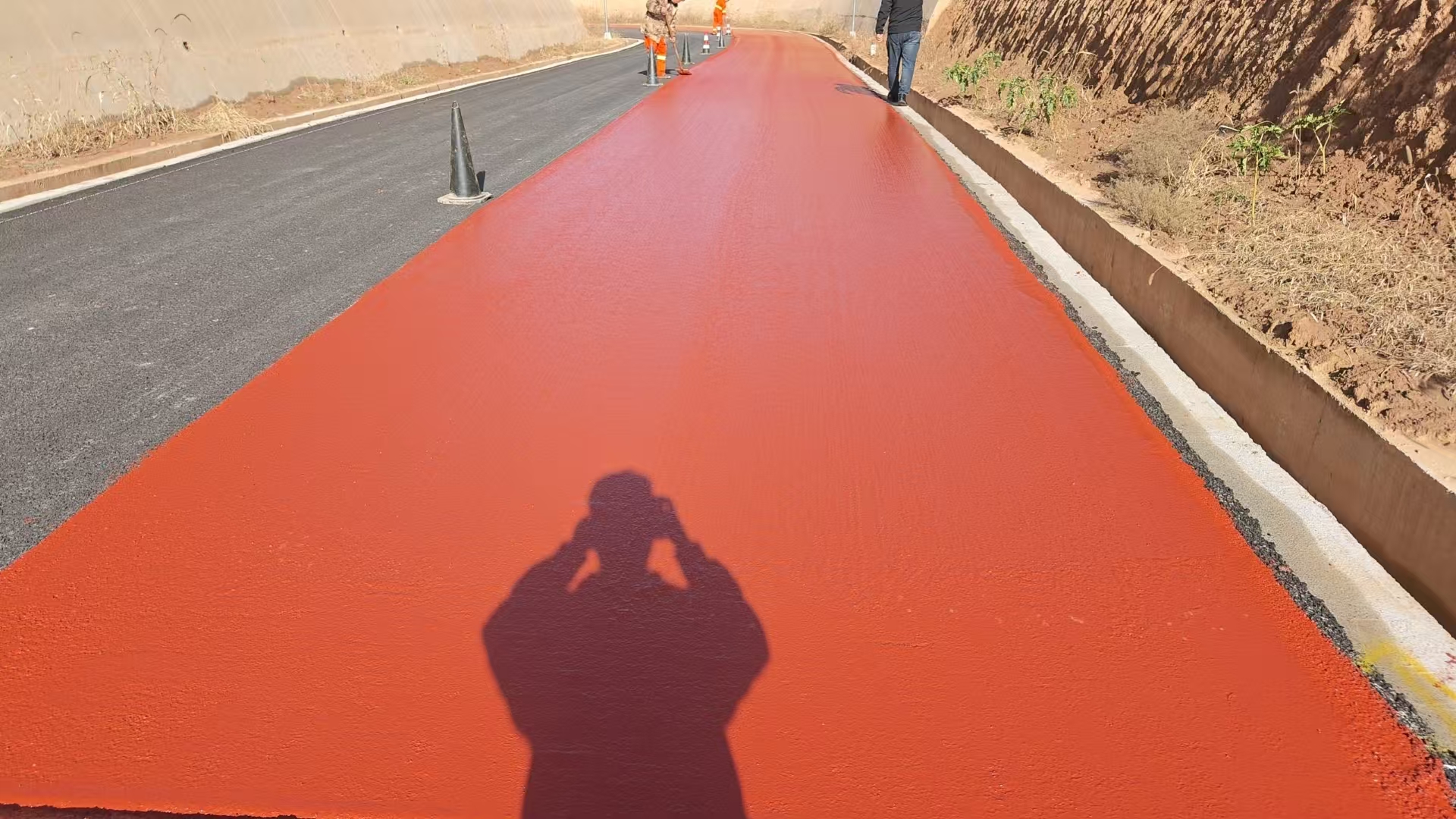
High-durability colored micro surfacing is engineered to withstand harsh environmental and traffic conditions.
It resists:
Heavy vehicle loads and abrasion
UV exposure and color fading
Water damage and freeze-thaw cycles
Surface oxidation and aging
This ensures consistent performance over time.
Colored micro surfacing is suitable for many types of infrastructure projects, including:
Urban arterial roads and local streets
Highway maintenance and resurfacing
Bicycle and pedestrian pathways
Bus lanes and transit corridors
Parking areas and service roads
It is especially effective in large-scale municipal maintenance programs.
High-durability colored micro surfacing is a practical and efficient solution for road preservation. It combines pavement protection, skid resistance, and visual traffic guidance in a single system, making it highly suitable for modern infrastructure maintenance.
As cities continue to prioritize cost-effective and sustainable road management, colored micro surfacing will remain an essential technology for extending pavement life and improving urban mobility safety.