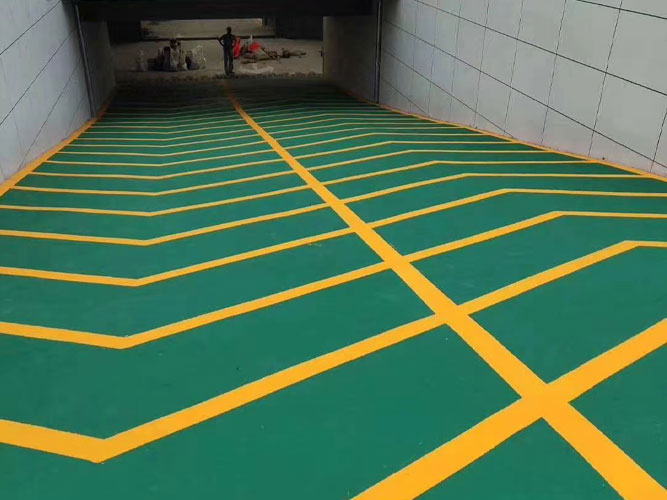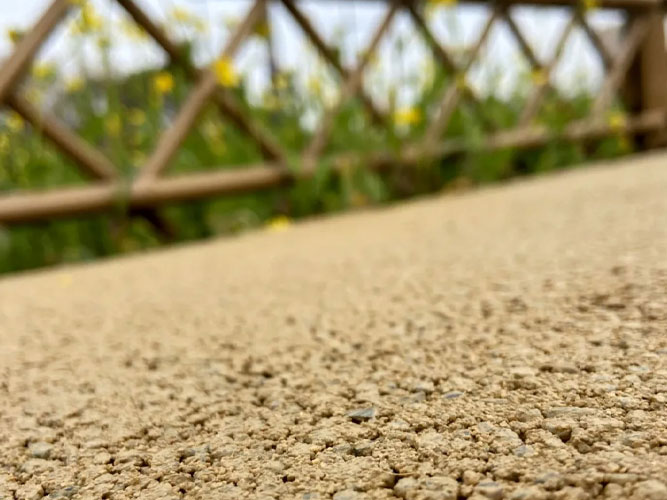
Modern road construction projects require pavement solutions that provide more than basic functionality. Safety, durability, visibility, and aesthetic performance have become important factors in transportation infrastructure development. Colored pavement systems have emerged as an advanced solution for road construction projects by combining high-friction performance with visual traffic guidance and long-lasting surface protection.
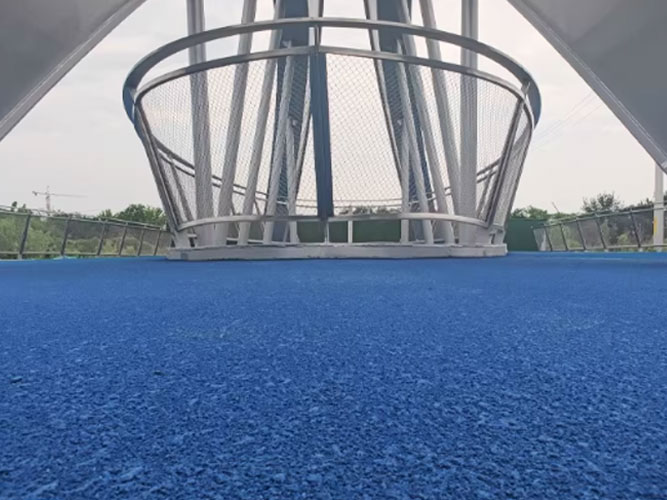
From urban roads and highways to bicycle lanes, pedestrian areas, and commercial streets, colored pavement systems help improve traffic organization while creating safer and more attractive transportation environments.
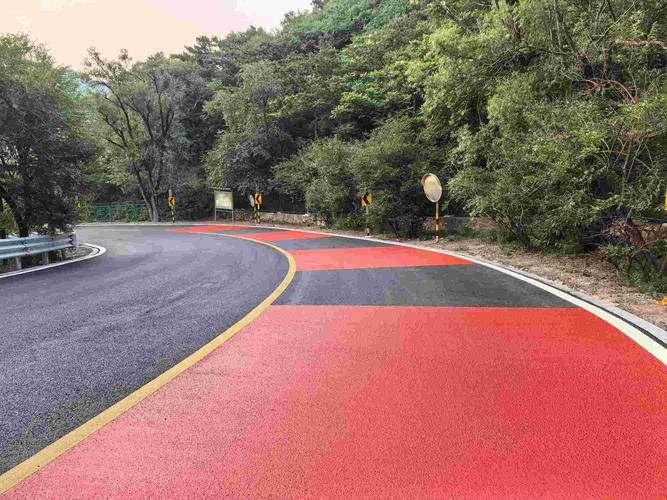
Colored pavement systems are specialized surface treatments that combine colored binders, high-performance resins, pigments, and anti-slip aggregates to create durable and functional road surfaces.
Unlike traditional pavement coatings, modern colored pavement systems are designed to provide:
High skid resistance
Improved road visibility
Strong adhesion
Weather resistance
Long service life
Decorative surface appearance
These characteristics make them suitable for a wide range of road construction applications.
Safety is one of the biggest challenges in modern transportation. Roads with unclear traffic separation, poor visibility, or insufficient friction can increase accident risks.
Colored pavement systems help solve these problems by providing clear visual identification of different traffic zones. Different colors can be used for:
Bicycle lanes
Pedestrian crossings
Bus lanes
Traffic islands
Emergency areas
Parking zones
Intersection warning areas
This visual guidance improves driver awareness and helps create safer road environments.
MMA resin colored pavement is a high-performance solution widely used in demanding road construction projects.
Its advantages include:
Rapid curing performance
Excellent bonding strength
High wear resistance
Strong weather durability
Short construction downtime
MMA systems are suitable for highways, intersections, bridges, tunnels, ramps, and areas requiring high friction performance.
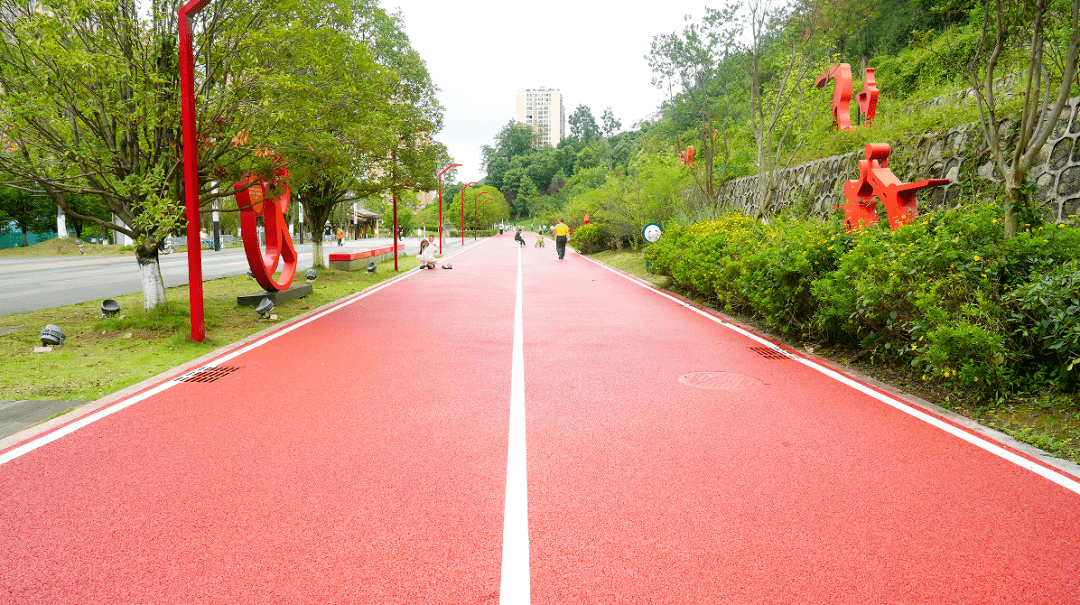
Water-based EAU colored anti-slip pavement provides an environmentally friendly option for modern infrastructure projects.
Key features include:
Low VOC characteristics
Good skid resistance
Attractive color appearance
Suitable for urban applications
It is commonly applied in bicycle paths, pedestrian walkways, parks, residential areas, and city renewal projects.
Water-Based SP colored pavement systems offer reliable performance and cost efficiency for various construction applications.
They provide:
Stable surface protection
Good adhesion
Easy maintenance
Flexible application options
This makes them suitable for municipal roads, commercial areas, and public spaces.
Ceramic aggregate pavement systems use high-strength colored ceramic particles to create a durable anti-slip surface.
Benefits include:
Excellent friction performance
Long-lasting color stability
Superior abrasion resistance
Premium decorative effect
They are ideal for steep roads, scenic routes, race tracks, bridges, and high-demand traffic areas.
Colored pavement systems are widely used in different infrastructure projects, including:
Colored surfaces improve lane recognition and traffic organization in busy city environments.
Bright and durable colors help separate cycling areas from vehicle lanes, improving cyclist safety.
Anti-slip colored pavement provides safer walking surfaces in public spaces and commercial zones.
High-friction pavement systems help improve vehicle control in areas with increased slipping risks.
Colored pavement helps define parking spaces, driving routes, and pedestrian pathways.
Choosing the right colored pavement system depends on several project factors:
Traffic Volume:
Heavy traffic areas require stronger materials with excellent wear resistance.
Climate Conditions:
Temperature changes, rainfall, and UV exposure influence material selection.
Pavement Type:
The existing asphalt or concrete surface affects installation requirements.
Construction Schedule:
Fast-curing systems may be preferred for projects requiring quick reopening.
Maintenance Expectations:
High-quality materials provide longer service life and lower lifecycle costs.
A successful colored pavement project requires professional construction procedures, including:
Surface cleaning and preparation
Primer application when required
Material mixing and color preparation
Coating application
Anti-slip aggregate installation
Surface curing and inspection
Proper installation ensures strong bonding, uniform appearance, and long-term pavement performance.
Colored pavement systems have become an important technology in modern road construction projects. By combining safety, durability, visibility, and aesthetic improvement, these advanced pavement solutions help create safer and more efficient transportation infrastructure.
Whether used for highways, urban roads, bicycle lanes, or public spaces, colored pavement systems provide contractors and engineers with reliable solutions for improving road performance and meeting the growing demands of modern infrastructure development.