Colored Pavement for Bicycle Lanes and Shared Pathways
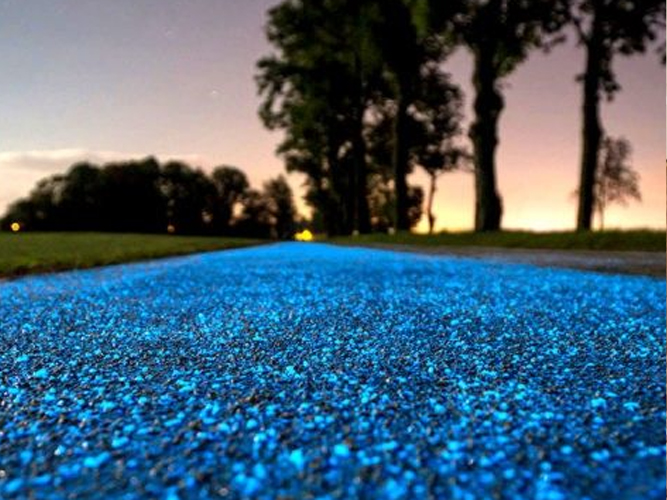
Colored pavement is becoming an essential solution for modern urban transportation systems, especially for bicycle lanes and shared pathways. As cities continue to promote sustainable mobility, safe and clearly defined cycling infrastructure plays a key role in reducing traffic congestion and improving road safety. Colored pavement systems offer both functional and visual advantages, making them an ideal choice for urban planners and road engineers.
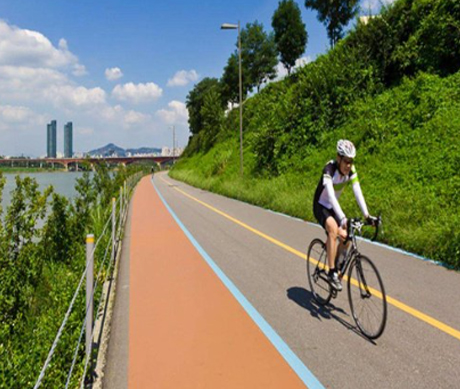
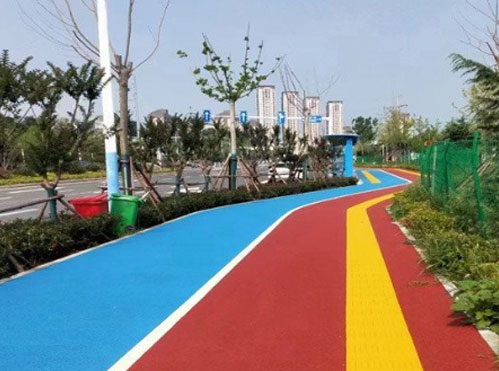
One of the primary benefits of colored pavement for bicycle lanes is enhanced visibility. Traditional asphalt surfaces often blend into surrounding roadways, which can lead to confusion between cyclists and motor vehicles. By applying high-contrast colors such as green, red, or blue, bicycle lanes become immediately recognizable to all road users. This visual separation significantly reduces the risk of accidents and helps guide traffic flow more efficiently.
In shared pathways, where pedestrians, cyclists, and sometimes small electric vehicles coexist, colored pavement provides clear zoning without the need for physical barriers. This improves space utilization in crowded urban environments while maintaining safety. Different colors or patterned designs can be used to indicate specific zones, such as pedestrian-only areas, cycling lanes, or mixed-use corridors.
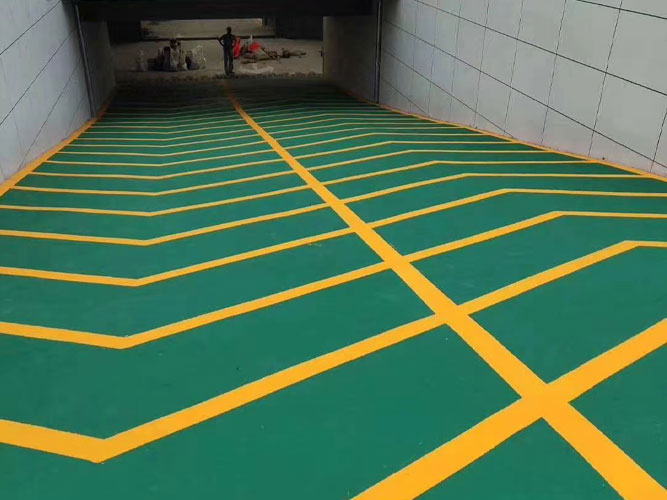
Another important advantage is improved surface performance. Many modern colored pavement systems are designed with anti-slip properties, ensuring better traction even in wet or high-traffic conditions. This is particularly important for bicycle lanes, where stability and grip are critical for rider safety. Advanced materials such as polymer-modified coatings, resin-based systems, and ceramic aggregate surfaces are often used to enhance durability and skid resistance.
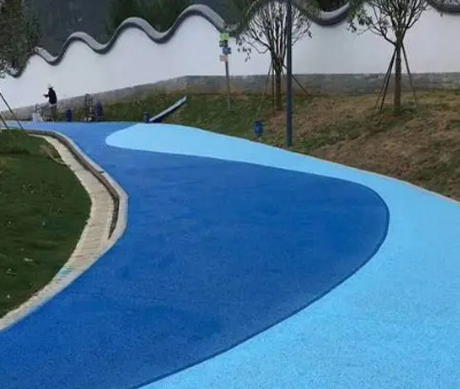
Durability is also a key factor. High-quality colored pavement is engineered to withstand UV exposure, heavy traffic loads, and varying weather conditions. Unlike painted markings that fade quickly, modern systems maintain their color brightness for a longer period, reducing maintenance frequency and long-term costs. This makes them a cost-effective investment for municipalities and infrastructure developers.
From an environmental perspective, colored pavement can also support sustainable urban design. By promoting cycling and walking, cities can reduce carbon emissions and reliance on fossil-fuel-based transportation. In addition, some pavement systems use eco-friendly, low-VOC materials that minimize environmental impact during construction and maintenance.
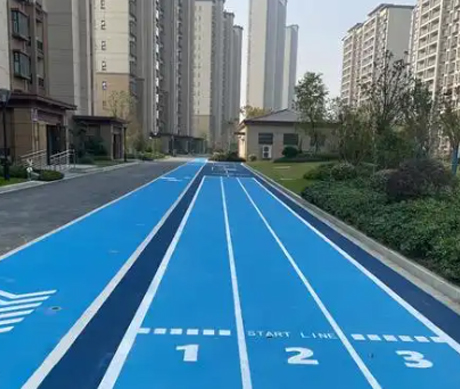
Design flexibility is another strong advantage. Colored pavement can be customized in terms of texture, thickness, and color combinations to meet different project requirements. Whether it is a high-speed urban cycle corridor or a relaxed park pathway, the pavement system can be adapted to match functional and aesthetic needs.
In conclusion, colored pavement for bicycle lanes and shared pathways is more than just a visual upgrade. It is a comprehensive infrastructure solution that enhances safety, improves traffic organization, increases durability, and supports sustainable urban development. As cities continue to evolve, the adoption of colored pavement systems will play an increasingly important role in creating safer, more efficient, and more environmentally friendly transportation networks.