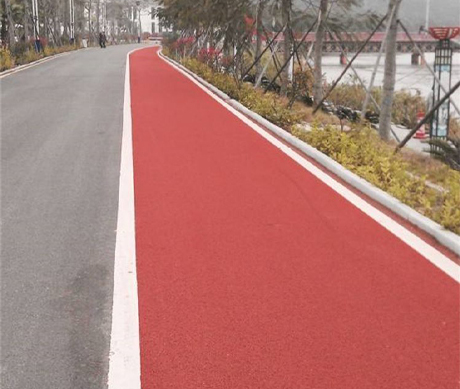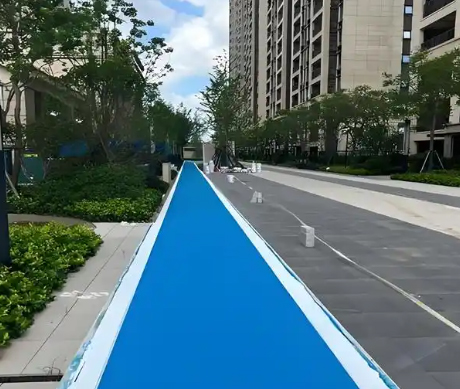
Choosing the right colored anti-skid pavement material is essential for ensuring long-term durability, safety, and visual appeal. Different projects have different performance requirements, so selecting the appropriate system can significantly improve pavement performance and reduce maintenance costs.
The first factor to consider is the application area. High-traffic roads, bicycle lanes, pedestrian walkways, parking lots, and bridge decks each require different levels of skid resistance and durability. Areas exposed to heavy vehicle traffic typically require high-strength materials with superior wear resistance.
Traffic volume is another important consideration. For roads with frequent vehicle movement, materials such as MMA colored pavement or high-friction resin-based systems provide excellent adhesion and long-lasting performance. For pedestrian areas and recreational spaces, water-based colored pavement systems may offer a more economical and environmentally friendly solution.
Climate and environmental conditions should also be evaluated. Regions with heavy rainfall, strong sunlight, or large temperature fluctuations require materials that resist UV degradation, moisture penetration, and weather-related wear. High-quality anti-skid aggregates can help maintain surface friction in all weather conditions.
|
|
|
Color stability is equally important. A premium colored pavement system should retain its appearance over time without significant fading. Selecting UV-resistant pigments and durable binders helps ensure long-lasting color performance.
Maintenance requirements and project budget should also be considered. While some high-performance systems may have a higher initial cost, they often provide longer service life and lower maintenance expenses, resulting in better long-term value.
By carefully evaluating traffic conditions, environmental factors, durability requirements, and budget considerations, project owners can select the most suitable colored anti-skid pavement material to achieve both safety and aesthetic goals. A well-chosen system not only improves road performance but also enhances the overall appearance of public infrastructure.