Leading Colored Pavement Materials for Modern Infrastructure Projects
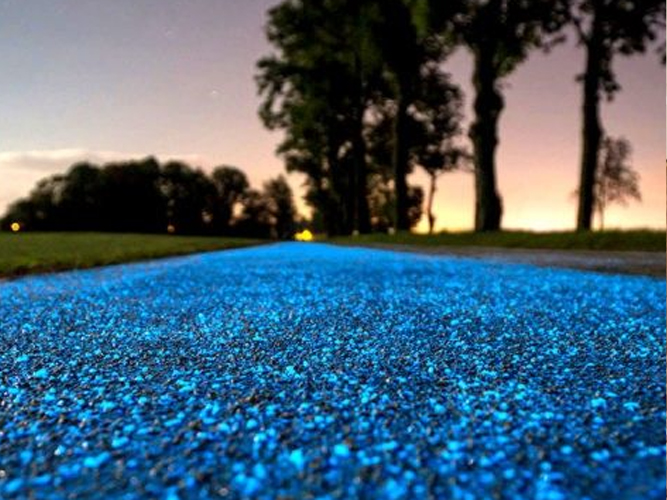
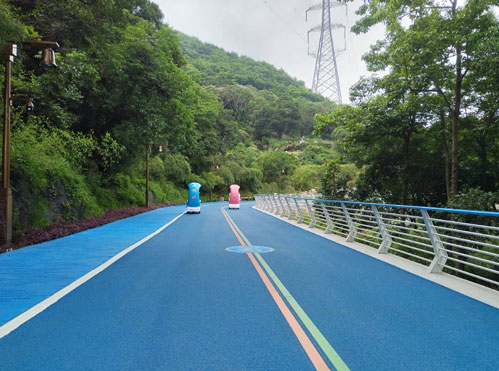
Colored pavement materials are becoming an essential part of modern infrastructure development, especially in urban transportation systems that demand higher safety, better visibility, and improved durability. From bike lanes and pedestrian crossings to highways, bridges, parking areas, and scenic roads, these advanced surfacing systems are reshaping how cities design their road environments.
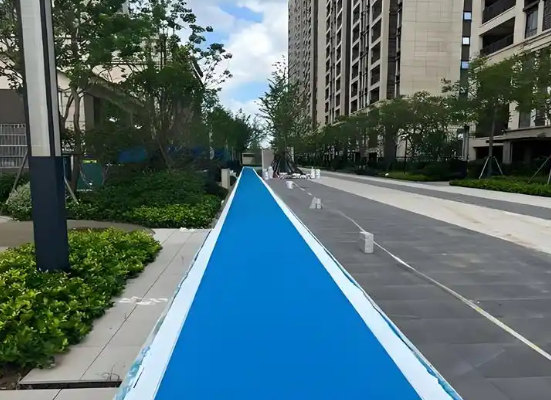
One of the key advantages of colored pavement materials is enhanced traffic safety. Brightly colored surfaces such as red, green, blue, or yellow immediately draw attention, helping to clearly define functional zones. For example, bicycle lanes become more visible to both cyclists and drivers, while pedestrian crossings gain stronger visual priority. This reduces conflict points and improves overall road safety in high-traffic urban areas.
Modern colored pavement systems are not only about appearance but also about performance. High-friction formulations, including resin-based coatings, MMA (methyl methacrylate) systems, and emulsified micro-surfacing technologies, provide excellent skid resistance. This is especially important in wet or slippery conditions, where accidents are more likely to occur. These materials are engineered to maintain long-term durability under heavy traffic loads and changing weather conditions.
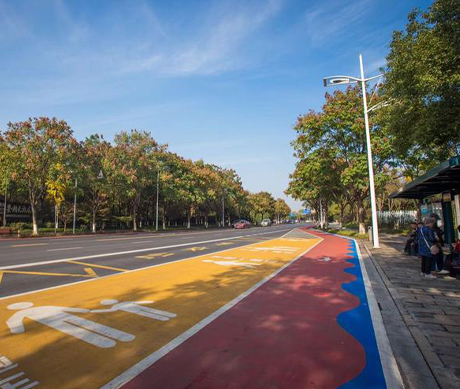
Another important feature is environmental adaptability. Many advanced systems use low-VOC or water-based formulations, making them more eco-friendly and suitable for sustainable construction projects. They can also be applied quickly with minimal traffic disruption, which is crucial for busy urban roads and infrastructure upgrades.
Among global suppliers in this field, manufacturers like Henan Fuxin New Material Technology Co., Ltd. have contributed to the development and export of advanced colored pavement solutions, including MMA colored coatings, colored micro-surfacing systems, and high-friction anti-skid materials. These products are widely used in municipal projects, industrial zones, parking facilities, and public safety applications.
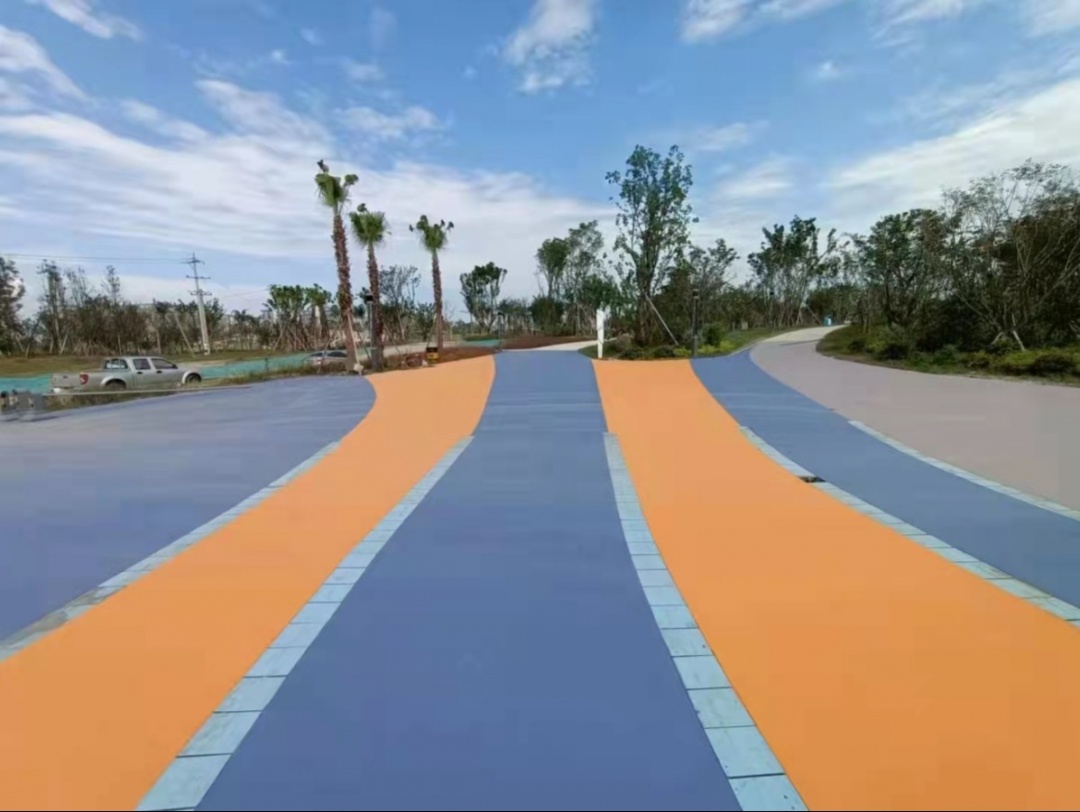
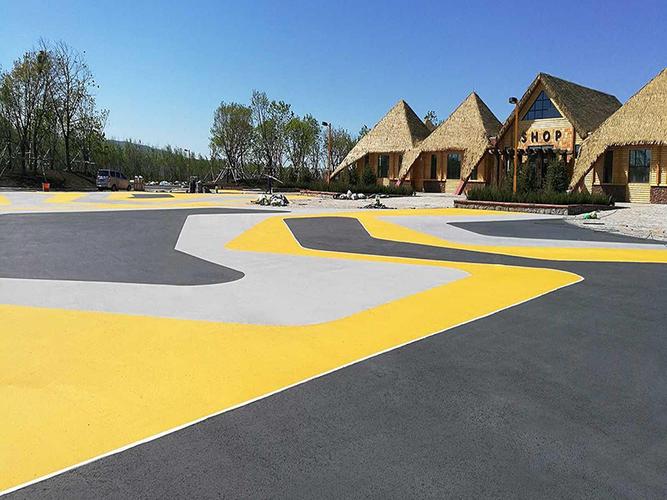
In addition, colored pavement materials offer strong design flexibility. Engineers and planners can use different colors and textures to create functional zoning, traffic guidance systems, and even aesthetic urban landscapes. This combination of safety and visual appeal makes colored surfacing a key component of modern smart city planning.
As infrastructure demands continue to grow, colored pavement materials are expected to play an even more important role in building safer, more efficient, and more visually organized transportation systems worldwide.