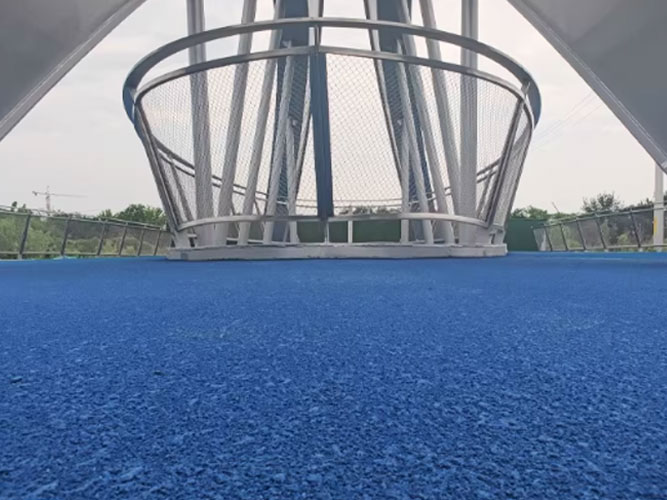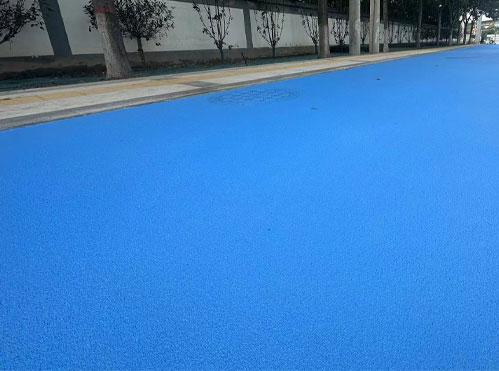
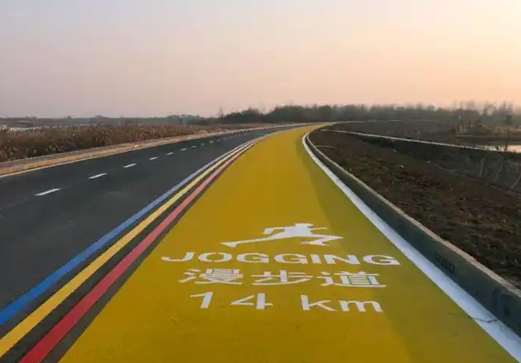
Colored anti-slip pavement plays an increasingly important role in modern city design, combining traffic safety, functional zoning, and visual identity in a single infrastructure solution. As urban areas become more complex and traffic-dense, cities are relying on advanced surfacing systems not only to improve road performance but also to enhance the overall experience of public space.
One of the primary roles of colored anti-slip pavement is to improve safety in high-risk traffic zones. These surfaces are engineered with high-friction aggregates and durable resin binders, creating a textured finish that significantly increases skid resistance.
In modern cities, this type of pavement is commonly used in:
Intersections and roundabouts
Pedestrian crossings
School and hospital zones
Bus rapid transit (BRT) lanes
Bicycle corridors
Highway ramps and curves
By improving tire grip and pedestrian traction, colored anti-slip surfaces help reduce accidents, especially during rain, braking, or sudden maneuvering conditions.
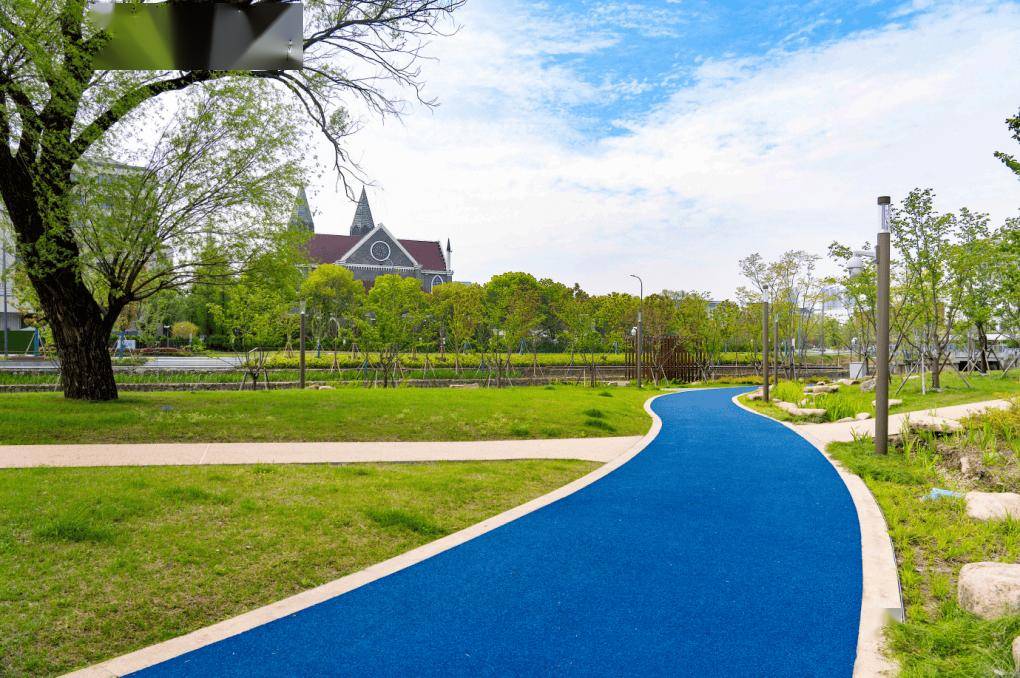
Beyond safety, colored pavement serves as a visual communication tool in urban design. Color differentiation helps organize complex traffic systems and makes navigation more intuitive for drivers, cyclists, and pedestrians.
Common color applications include:
Red: bus lanes and priority transit corridors
Green: bicycle lanes and eco-mobility routes
Blue: pedestrian zones and shared public walkways
Yellow or orange: warning areas and conflict zones
This visual coding system reduces confusion at intersections and improves traffic efficiency without relying solely on signage.
Modern city design is no longer limited to functionality; visual identity plays a key role in urban planning. Colored anti-slip pavement contributes to a cleaner, more structured, and more attractive streetscape.
Cities use colored surfacing to:
Create visually unified streets and districts
Highlight public plazas and civic spaces
Improve landscape integration in parks and waterfronts
Strengthen the identity of commercial and tourism zones
Well-designed pavement color schemes can transform ordinary road surfaces into part of the city’s architectural expression.
As cities move toward smart infrastructure systems, colored anti-slip pavement aligns well with goals of safety, efficiency, and sustainability. Many modern systems use durable, low-emission resin technologies and long-life aggregates that reduce maintenance frequency and material waste.
In smart city frameworks, these pavements support:
Traffic flow optimization
Dedicated mobility lanes (bikes, buses, EV zones)
Safer pedestrian networks
Data-driven urban planning layouts
This makes them an important component in next-generation urban mobility strategies.
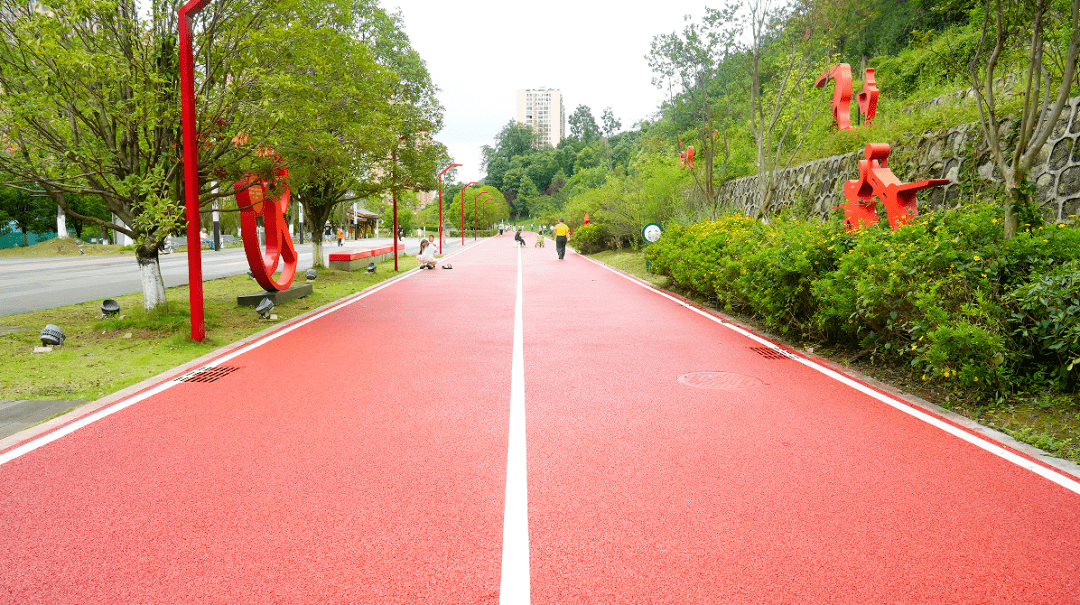
Modern colored anti-slip pavement systems are designed for long service life under demanding urban conditions. They resist:
Heavy traffic loads
UV radiation and weather exposure
Water infiltration
Surface wear and abrasion
Fast-curing resin technologies also allow rapid installation with minimal disruption to city traffic, making them suitable for both new construction and urban renovation projects.
Colored anti-slip pavement is no longer just a road surface treatment—it is an integrated element of modern city design. By combining safety, functionality, and visual structure, it helps cities become more organized, safer, and more visually appealing.
As urban environments continue to evolve, colored anti-slip pavement will remain a key material in shaping smarter, safer, and more livable cities.