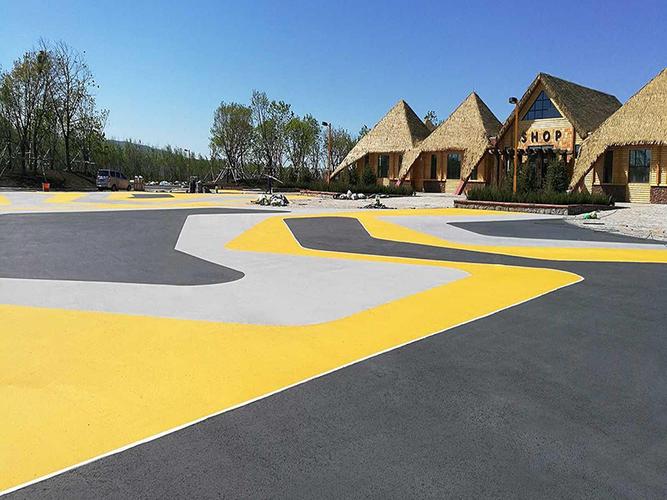
Colored pavement systems are no longer limited to decorative road surfacing or basic lane differentiation. With advances in material technology, durability, and anti-skid performance, they are now being applied in a wide range of emerging infrastructure scenarios. These new applications reflect a shift toward safer, smarter, and more visually organized transportation and public space design.
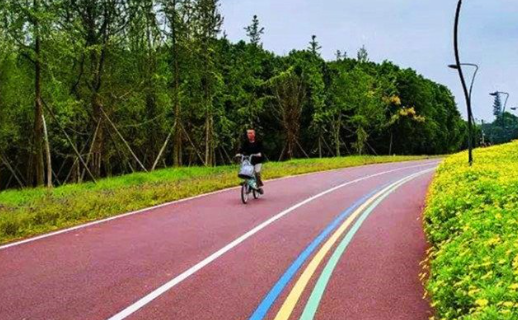
One of the fastest-growing applications is in smart city development. Colored pavement is used to create clearly structured traffic environments where different road functions are visually coded. This includes separating vehicle lanes, bicycle corridors, pedestrian pathways, and shared mobility zones. The result is a more readable urban environment that supports efficient traffic flow and reduces user confusion.
As electric vehicle adoption increases, cities and commercial facilities are using colored pavement to define EV-specific areas. Charging station lanes, waiting zones, and priority parking spaces are marked with distinct colors to improve accessibility and operational efficiency. This helps streamline EV infrastructure management while improving user experience.
Modern logistics centers and automated warehouses require highly organized ground layouts. Colored pavement is increasingly used to guide autonomous vehicles, forklifts, and delivery robots along predefined routes. Color-coded pathways improve navigation accuracy, reduce collision risks, and enhance operational efficiency in high-density industrial environments.
Airports are adopting colored pavement systems for service roads, apron areas, and equipment zones. Different colors help distinguish fueling areas, baggage handling routes, maintenance corridors, and safety zones. This visual structuring improves coordination among ground service teams and reduces operational errors in complex aviation environments.
In manufacturing plants and heavy industrial facilities, colored pavement is used to define safety zones, hazardous areas, pedestrian walkways, and vehicle corridors. This helps enforce workplace safety standards and reduces the likelihood of accidents involving machinery and personnel.
Urban planners are increasingly using colored pavement to enhance pedestrian-friendly environments. Walkways, crossings, plazas, and recreational zones are visually differentiated to improve navigation and safety. This is especially important in high-density city centers, tourist areas, and mixed-use developments.
With the expansion of cycling infrastructure and micro-mobility solutions such as e-scooters, colored pavement is being used to clearly separate bicycle lanes from vehicle traffic. This improves safety for cyclists and encourages sustainable transportation options in urban areas.
Colored pavement is widely used in school zones, residential neighborhoods, and community areas to improve child and pedestrian safety. High-visibility surfaces help alert drivers to reduced speed zones and pedestrian activity, significantly lowering accident risks in sensitive environments.
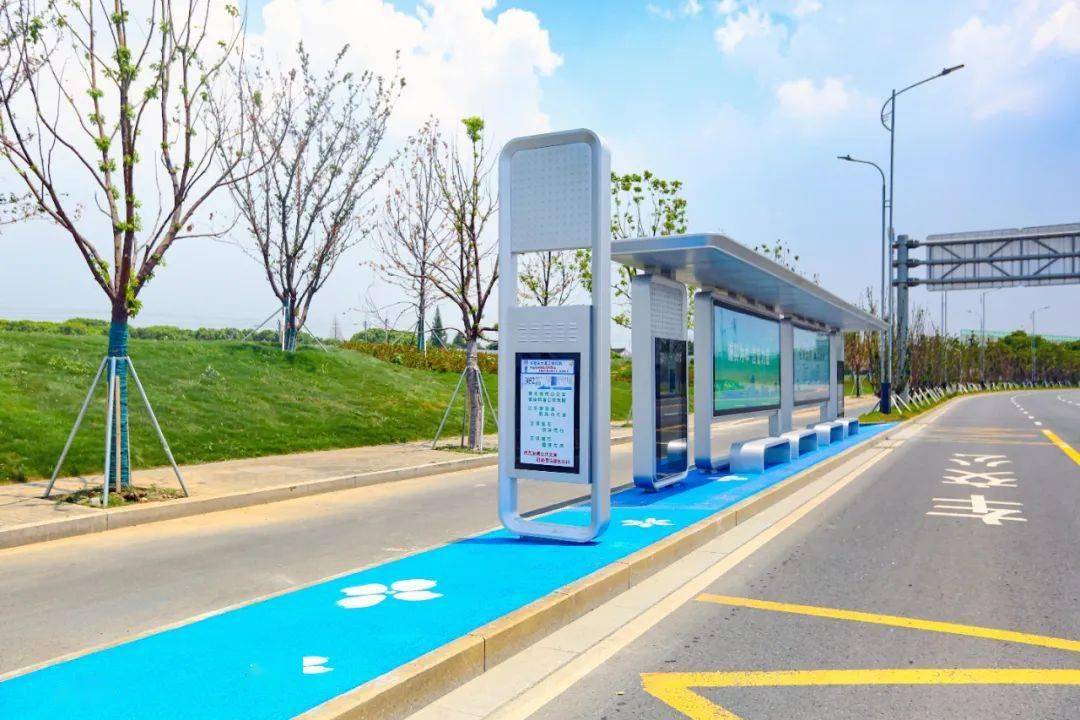
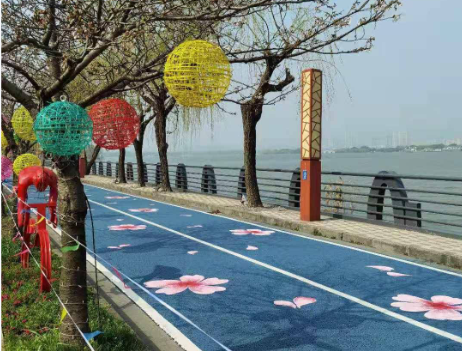
Beyond transportation, colored pavement is also used in sports courts, parks, recreational paths, and public squares. In these settings, it provides both functional zoning and aesthetic enhancement, creating visually engaging and safe public environments.
The applications of colored pavement systems are expanding rapidly across multiple sectors, from transportation infrastructure to industrial automation and urban design. As material performance continues to improve, these systems are becoming an essential component of modern infrastructure planning. By combining safety, functionality, and visual organization, colored pavement is shaping the future of smarter and more efficient built environments.