As cities and transportation systems continue to prioritize road safety and sustainable infrastructure, water-based colored pavement has become an increasingly popular solution for traffic safety applications. With excellent anti-slip performance, environmental benefits, and strong visual guidance capabilities, this advanced pavement technology is widely used in modern urban roads, bicycle lanes, intersections, and pedestrian areas.
Water-based colored pavement systems provide both functional safety and aesthetic value, helping create safer and more organized transportation environments.
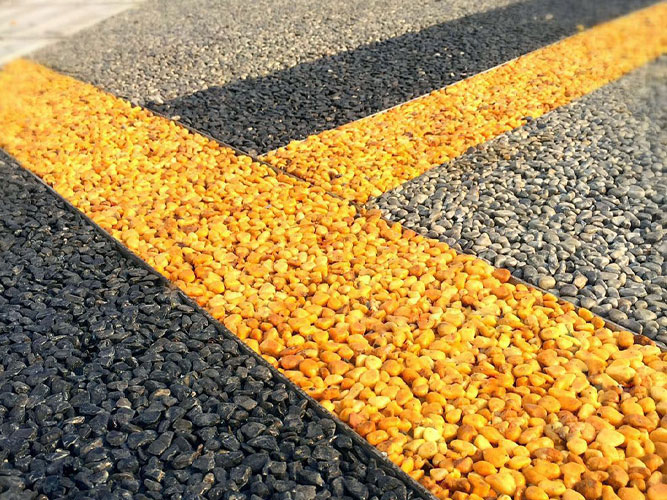
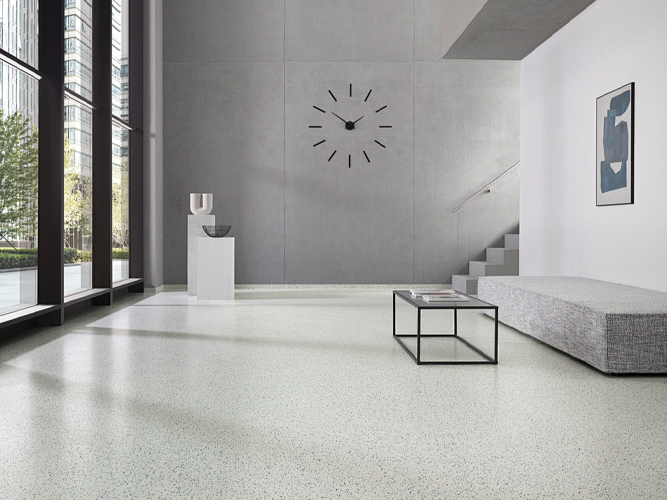
Water-based colored pavement is a high-performance surfacing system that uses environmentally friendly waterborne resin materials combined with colored aggregates and anti-slip fillers. The system is applied directly onto asphalt or concrete surfaces to improve visibility, skid resistance, and pavement durability.
Common components include:
Waterborne acrylic or polyurethane resin
Colored ceramic aggregates
Anti-slip mineral fillers
Wear-resistant additives
Eco-friendly pigments
Compared with solvent-based materials, water-based systems produce lower VOC emissions and offer a safer, cleaner construction process.
The textured anti-slip surface improves tire grip and pedestrian traction, especially during wet weather conditions. This helps reduce braking distance and minimizes skidding risks in high-traffic areas.
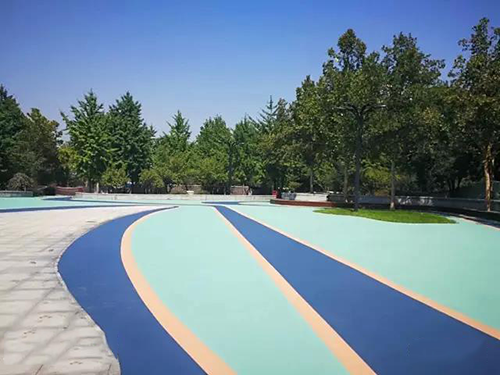
Bright pavement colors clearly separate different traffic zones, making roads easier to understand for drivers, cyclists, and pedestrians. Colored pavement is commonly used to identify bicycle lanes, bus lanes, pedestrian crossings, and school zones.
Water-based pavement materials contain low levels of volatile organic compounds (VOCs), reducing environmental impact and supporting sustainable urban development goals.
Modern waterborne resin systems provide excellent UV resistance, color stability, and durability under varying climate conditions.
The system can be repaired or recoated efficiently, reducing long-term maintenance costs and minimizing traffic disruption.
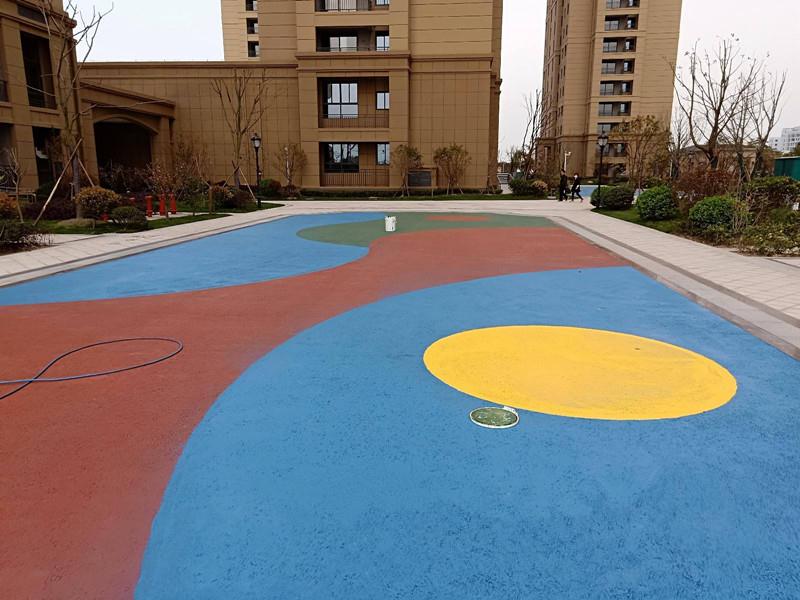
Water-based colored pavement is widely applied in:
Bicycle lanes
Pedestrian crossings
Bus lanes
School safety zones
Parking areas
Urban intersections
Bridge decks
Public plazas
Residential communities
Industrial parks
The system helps improve traffic organization while enhancing the overall appearance of public infrastructure.
Many municipalities are transitioning toward sustainable construction materials that combine performance with environmental responsibility. Water-based colored pavement supports smart city initiatives by offering:
Low environmental impact
Safer construction conditions
Reduced maintenance frequency
Long-term cost efficiency
Better urban aesthetics
Its ability to combine traffic management with sustainable infrastructure makes it an ideal solution for modern transportation projects.
As urban mobility continues evolving, water-based colored pavement technology is expected to advance further with innovations such as:
Higher wear resistance
Faster curing systems
Solar reflective coatings
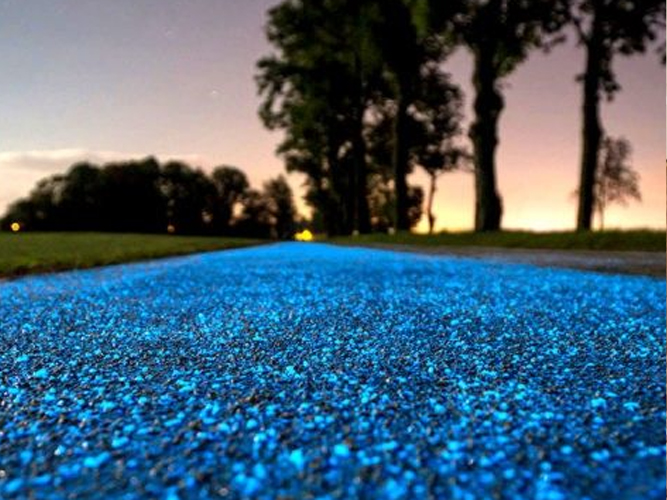
Smart traffic markings
Enhanced anti-slip performance
Recycled eco-friendly materials
These improvements will continue supporting safer and greener transportation systems worldwide.
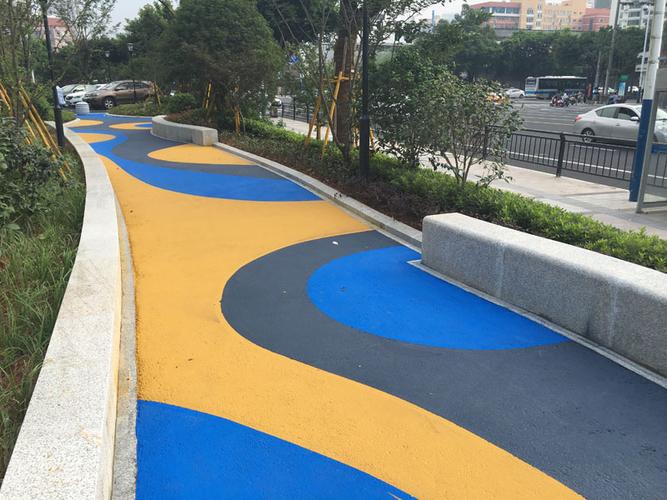
Water-based colored pavement offers an effective and environmentally friendly solution for traffic safety applications. By combining anti-slip functionality, visual traffic guidance, and sustainable construction materials, it helps cities improve road safety and urban mobility.
As demand for smart and sustainable infrastructure continues growing, water-based colored pavement systems will remain an important part of future urban transportation development.