Colored anti-slip coatings play an important role in reducing traffic accidents by improving road visibility, increasing surface friction, and enhancing driver awareness. They are widely used in urban roads, intersections, pedestrian crossings, ramps, tunnels, and other high-risk traffic areas where safety is a priority.
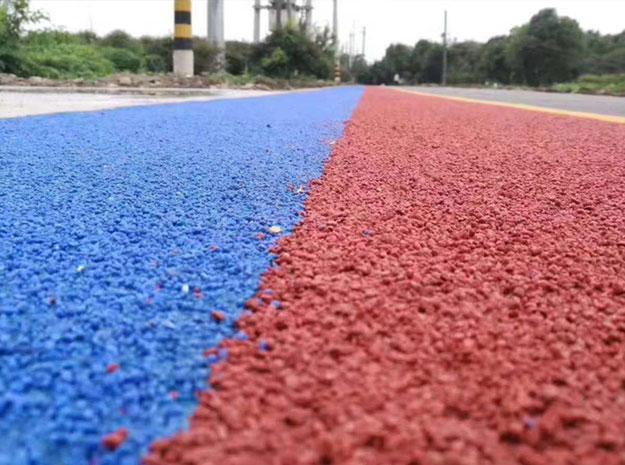
One of the main ways these coatings reduce accidents is by improving road surface grip. The anti-slip texture is created using high-friction aggregates embedded in a durable binder. This rough surface increases tire and shoe traction, helping vehicles maintain control during braking, turning, or sudden maneuvers, especially in wet or slippery conditions. Better traction directly reduces the risk of skidding and loss of control.
|
|
|
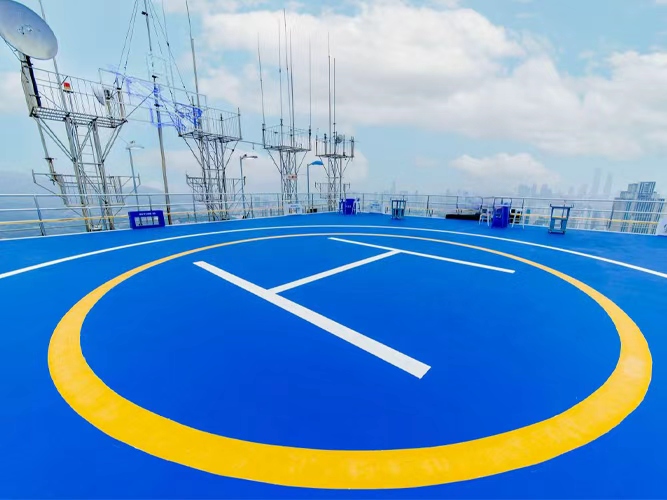
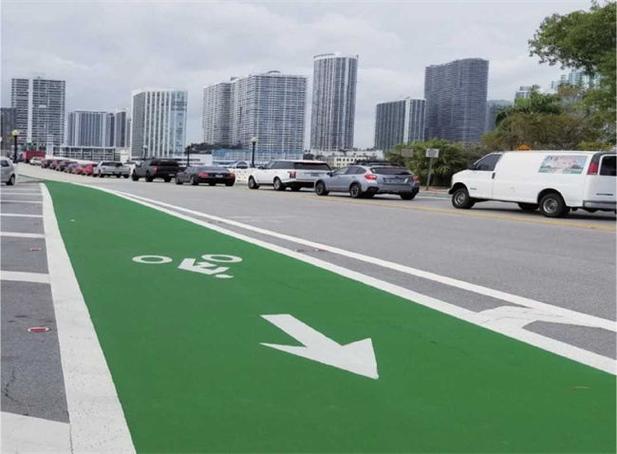
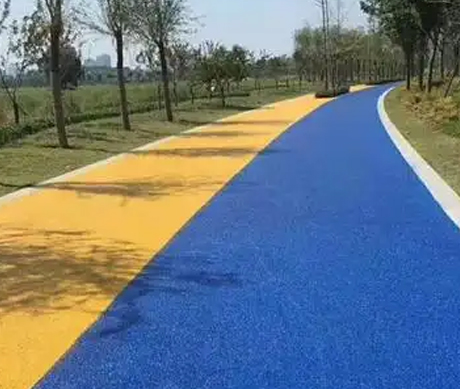
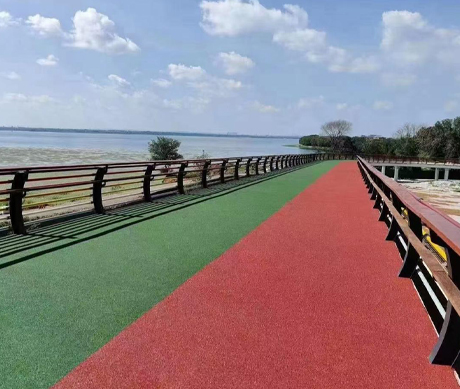
Another key factor is enhanced visibility. Bright colored surfaces such as red, green, yellow, or blue make critical traffic zones easier to recognize. Drivers can quickly identify pedestrian crossings, bike lanes, bus lanes, and warning areas from a distance. This early visual warning encourages reduced speed and more cautious driving behavior.
Colored coatings also improve traffic organization. Clearly defined road zones reduce confusion between different types of road users. When lanes and crossings are visually separated, drivers and pedestrians are more likely to follow correct paths, reducing conflicts and unsafe interactions.
In high-risk areas such as intersections and curves, colored anti-slip coatings act as visual alert zones. These areas signal drivers to slow down and stay alert, which is especially effective in preventing collision-related accidents.
Modern coating systems also offer durability and weather resistance. Even under heavy traffic, rain, and UV exposure, they maintain their anti-slip properties and color visibility over time. This ensures consistent safety performance throughout their service life.
Overall, colored anti-slip coatings reduce traffic accidents by combining strong surface friction with high visibility and clear traffic guidance. This combination helps create safer, more predictable road environments for all users, including drivers, cyclists, and pedestrians.