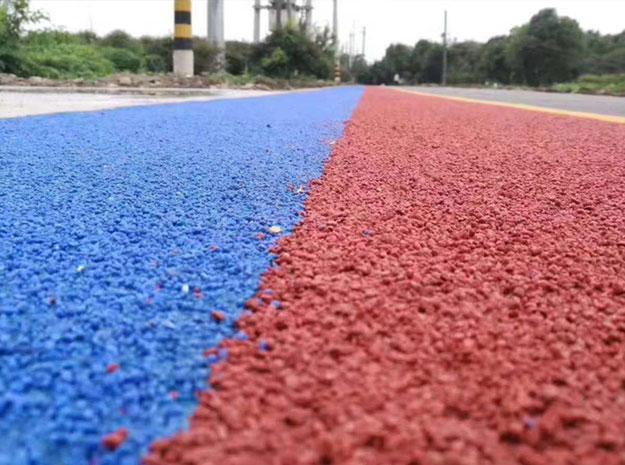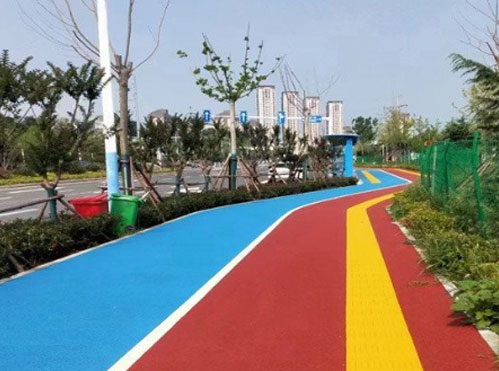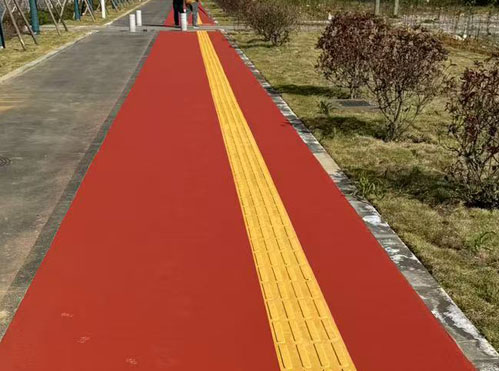
Selecting the right colored pavement material is a critical step in ensuring long-term performance, safety, and cost efficiency for any road, industrial, or urban infrastructure project. Different environments require different material properties, and understanding these differences helps ensure the pavement performs effectively throughout its service life.
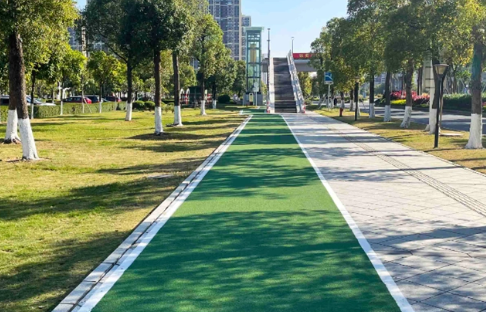
The first step is to clearly identify the application area. High-traffic environments such as highways, intersections, logistics zones, and airports require high-strength, wear-resistant systems. In contrast, pedestrian areas, parks, bicycle lanes, and residential roads may prioritize aesthetics, comfort, and moderate durability. Matching the material type to the application is essential for performance and cost control.
Traffic volume and load type directly influence material selection. Heavy-duty environments with trucks, forklifts, and frequent braking require high-friction, abrasion-resistant systems. Lighter-use areas can use thinner or water-based systems that offer good visual performance and moderate skid resistance. Understanding load conditions helps prevent premature surface failure.
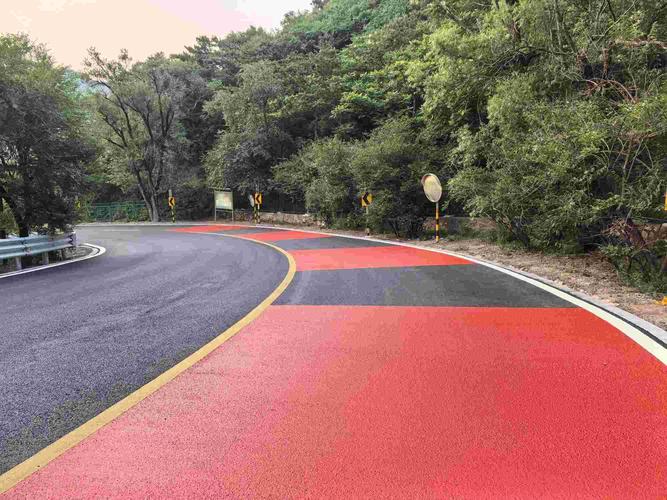
One of the key functions of colored pavement is improving road safety. Materials should provide consistent surface friction, especially in wet or high-risk conditions. High-friction aggregate systems are recommended for slopes, curves, intersections, ramps, and loading zones where skidding risk is higher.
Climate plays a major role in material performance. Areas with strong sunlight require UV-resistant formulations to prevent color fading. Regions with heavy rainfall need surfaces that maintain traction when wet. Locations with temperature extremes should use flexible systems that resist cracking and thermal damage.
Different binder technologies offer different performance levels. Resin-based and polymer-modified systems provide high durability and strong adhesion for demanding applications. Water-based systems are more environmentally friendly and suitable for lighter traffic areas. The choice depends on both performance requirements and sustainability goals.
Not all materials are suitable for all pavement types. Some systems are designed specifically for asphalt surfaces, while others perform better on concrete. Proper surface preparation and compatibility checks ensure strong bonding and long-lasting results.
Long-term color performance is essential for visibility and traffic guidance. UV-resistant pigments and protective formulations help maintain color brightness over time. This is especially important in outdoor environments where exposure to sunlight is constant.
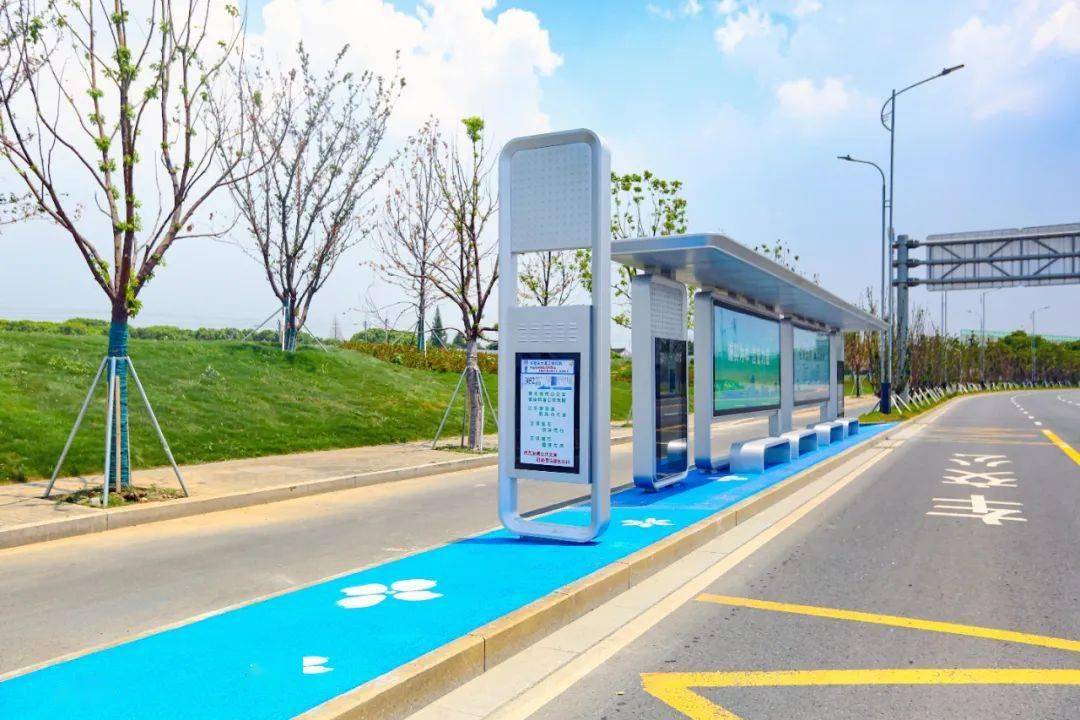
Beyond initial installation cost, long-term maintenance should also be considered. High-quality colored pavement systems may have higher upfront costs but offer longer service life and lower maintenance frequency. Evaluating lifecycle cost provides a more accurate measure of overall value.
Choosing the right colored pavement material requires a balanced assessment of application needs, traffic conditions, environmental exposure, safety requirements, and cost considerations. A well-selected system ensures not only improved road safety and visual clarity but also long-term durability and economic efficiency across the entire project lifecycle.