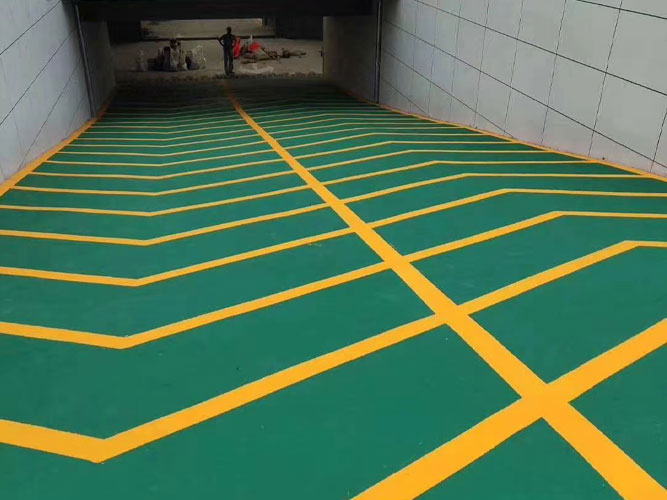
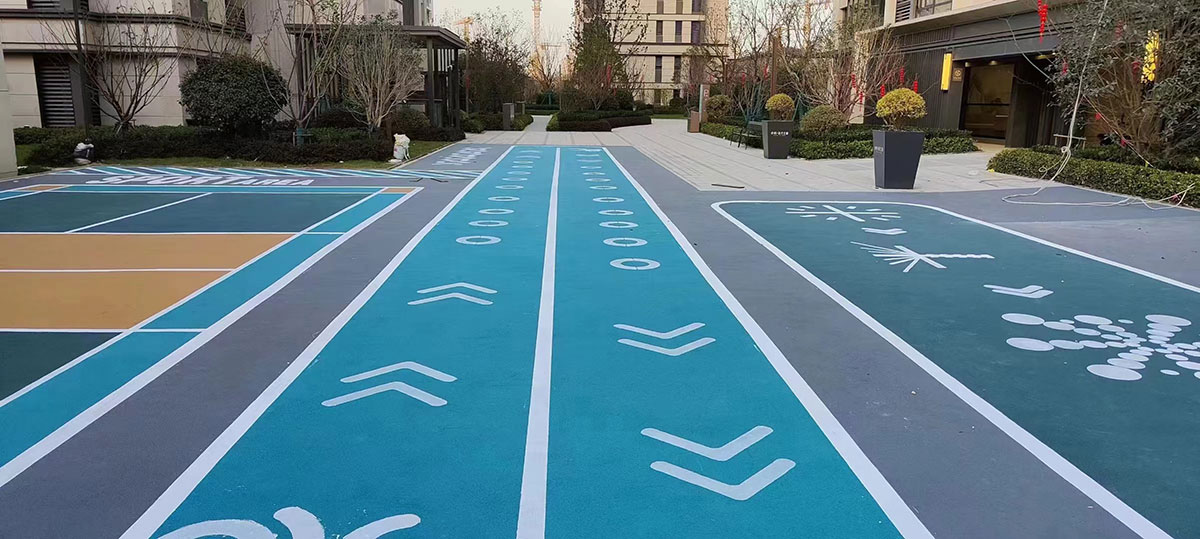
High friction colored road surfaces are advanced pavement systems designed to deliver maximum safety performance in critical traffic zones. By combining high-skid-resistant aggregates with durable colored binders, these surfaces significantly improve traction, visibility, and road guidance in both urban and highway environments.
High friction colored road surfaces are specialized anti-skid pavement treatments applied to asphalt or concrete. They are engineered using high-performance resins and hard aggregates such as calcined bauxite, ceramic granules, or quartz materials. The result is a rough-textured surface with extremely high friction levels and long-lasting color stability.
These systems are widely used in areas where standard asphalt may not provide sufficient grip, especially under wet, icy, or high-load conditions.
The primary purpose of high friction surfacing is to reduce accident risk by improving tire-road interaction. The textured surface increases grip and reduces the likelihood of skidding during braking, cornering, or sudden lane changes.
Key safety advantages include:
Reduced stopping distance on wet roads
Improved vehicle control in sharp curves and ramps
Lower risk of intersection collisions
Enhanced pedestrian crossing safety
Better performance in rain and low-visibility conditions
These improvements make them especially valuable for high-risk traffic locations.
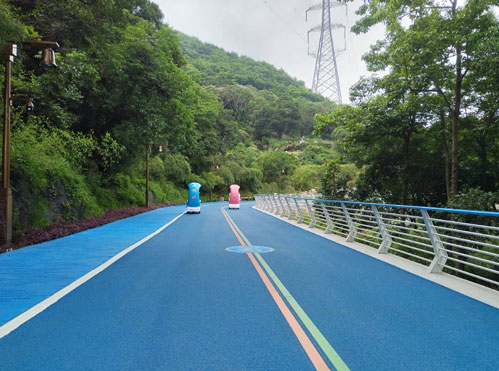
In addition to friction performance, color plays an important role in road communication. Colored high friction surfaces help drivers and pedestrians quickly identify different functional zones.
Common applications include:
Red surfaces for bus lanes or high-priority corridors
Green lanes for bicycle networks
Blue zones for pedestrian or shared walkways
Yellow markings for hazard or warning areas
This visual guidance improves traffic organization and reduces confusion in complex road environments.
High friction colored road surfaces are commonly installed in locations where safety is a top priority, such as:
Highway curves and exit ramps
Urban intersections and roundabouts
Pedestrian crossings and school zones
Tunnels and bridge decks
Airport taxiways and service roads
Public transport corridors
These areas benefit most from enhanced friction and improved visibility.
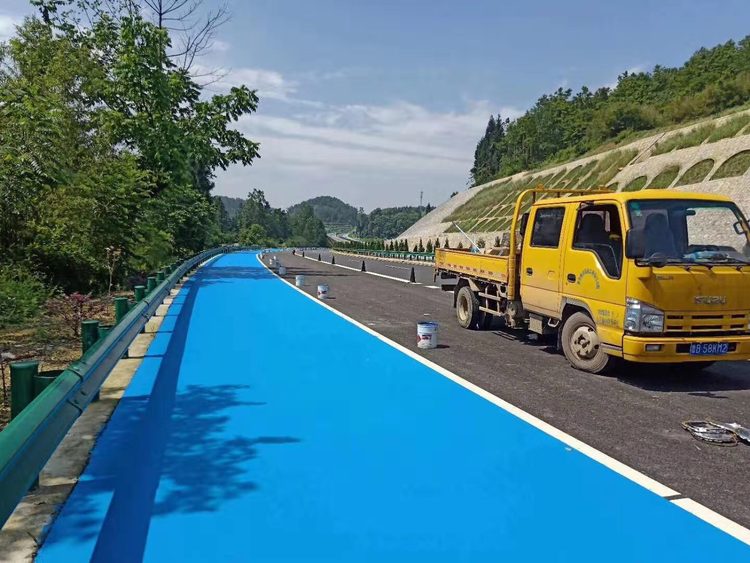
Modern high friction systems are designed for long-term durability under heavy traffic and harsh environmental conditions. They resist:
Heavy vehicle loads and abrasion
UV radiation and color fading
Water penetration and weather damage
Temperature fluctuations
Fast-curing resin technologies such as MMA systems also allow rapid installation, minimizing road closure time and traffic disruption.
As cities move toward smarter transportation systems, high friction colored road surfaces play an important role in improving both safety and efficiency. They support dedicated mobility lanes, clearer road hierarchy, and safer multimodal transportation networks.
These systems are increasingly used in smart city planning to create safer and more organized urban environments.
High friction colored road surfaces provide a powerful combination of safety, durability, and visual clarity. By improving skid resistance and enhancing traffic guidance through color coding, they help reduce accidents and improve overall road performance.
As infrastructure demands continue to grow, these advanced pavement systems are becoming an essential solution for modern transportation safety worldwide.