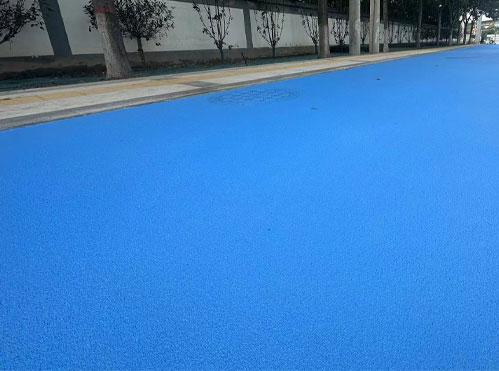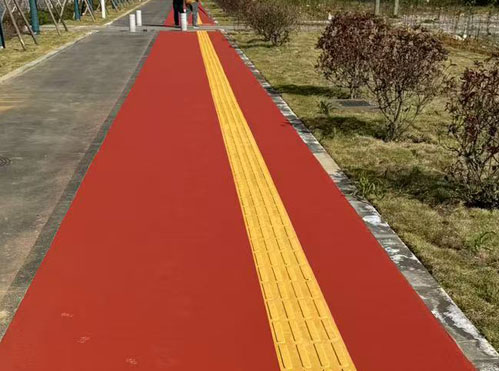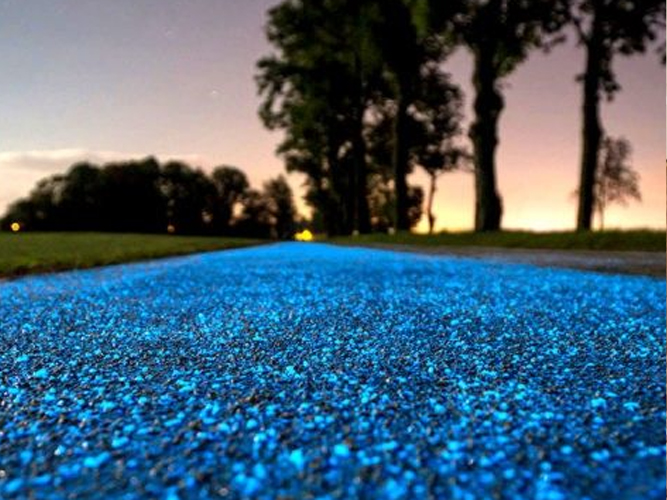
Ceramic aggregate anti-slip pavement is a high-friction surfacing system designed to improve road safety, durability, and visual performance. This pavement technology combines strong bonding resins with wear-resistant ceramic particles to create a textured surface that provides excellent skid resistance for vehicles and pedestrians. It is widely used on highways, intersections, bicycle lanes, pedestrian crossings, ramps, parking areas, and industrial zones where enhanced traction and long-term durability are required.
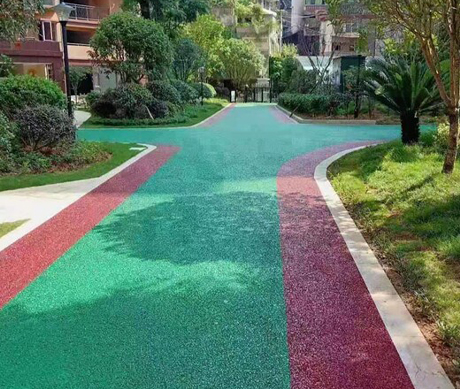
The performance of ceramic aggregate pavement depends on the quality of its materials. The main components typically include:
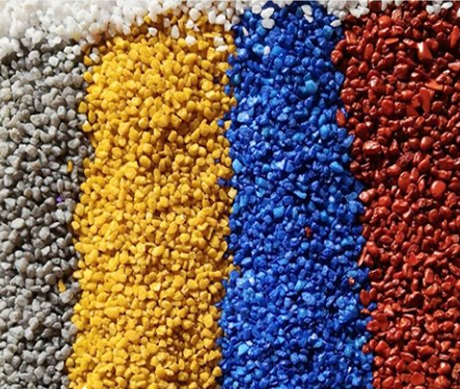
Ceramic particles are manufactured through high-temperature firing processes, giving them exceptional hardness, wear resistance, and color stability. These aggregates provide the rough surface texture needed for high friction and long-lasting anti-slip performance. They are available in various colors for traffic guidance and decorative applications.
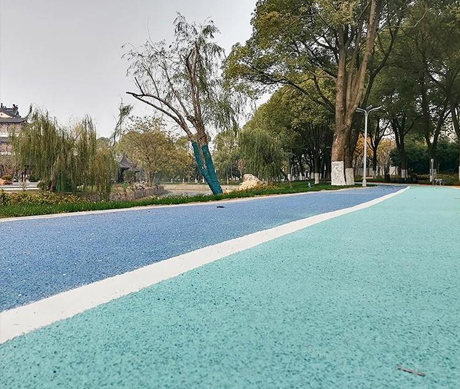
The binder is responsible for bonding the ceramic aggregates to the pavement surface. Common binders include MMA resin, epoxy resin, and polyurethane resin. These materials offer strong adhesion, waterproof performance, UV resistance, and chemical resistance, ensuring the pavement remains durable under heavy traffic and harsh weather conditions.
A primer is often applied before installation to improve adhesion between the existing pavement and the anti-slip coating system. This helps create a stronger and more durable bond.
Optional sealers may be used to improve weather resistance, reduce dust, and enhance color retention over time.
The installation of ceramic aggregate anti-slip pavement usually involves several key steps:
The pavement surface must be thoroughly cleaned and dried before installation. Oil stains, dust, loose materials, and damaged areas should be removed to ensure proper bonding.
A primer layer is evenly applied to improve adhesion and create a stable base for the coating system.
The resin binder is spread across the surface using rollers or specialized equipment. The coating thickness depends on the project requirements and traffic conditions.
Colored ceramic aggregates are evenly broadcast onto the wet resin layer to create a textured anti-slip surface. Excess aggregates are removed after curing.
After curing, the surface becomes highly durable and ready for traffic use. Additional sealing layers may be applied for enhanced protection and appearance.
Ceramic aggregate anti-slip pavement offers a combination of safety, durability, and decorative value. With excellent skid resistance, weather performance, and customizable colors, it is an ideal solution for modern transportation infrastructure and urban safety projects.