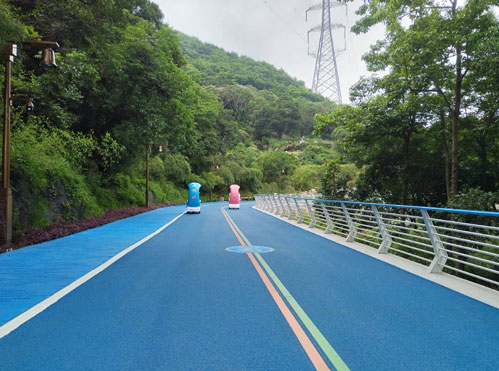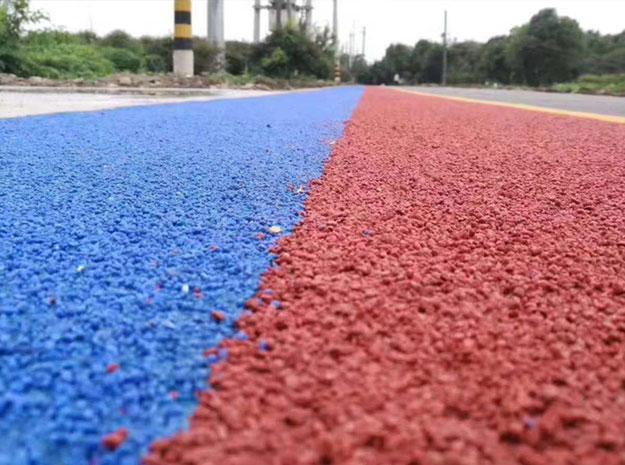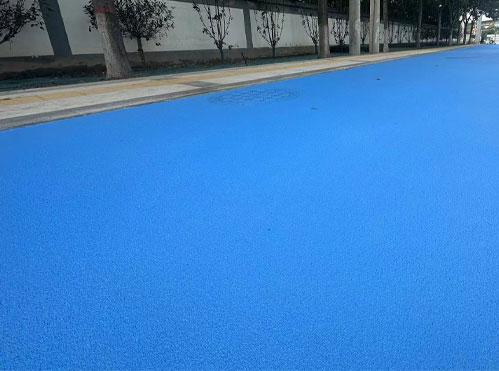
Road safety is becoming increasingly important as Southeast Asia continues to expand its transportation infrastructure. With growing traffic volumes, urban development, and extreme weather conditions, the demand for high-performance road surfacing materials is increasing.
High Friction Surfacing Materials provide an effective solution for improving road grip, reducing skid risks, and enhancing overall traffic safety. They are widely used in highways, urban roads, bicycle lanes, bridge decks, and other areas where improved surface friction is required.
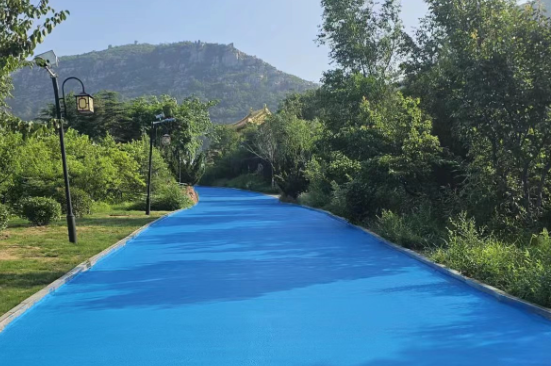
High Friction Surfacing Materials are advanced pavement systems designed to create a durable, slip-resistant surface layer.
By combining high-performance binders with strong aggregates, these materials provide:
• High surface friction
• Excellent anti-skid performance
• Strong adhesion
• Weather resistance
• Long service life
They can be applied to asphalt, concrete, and other pavement surfaces to improve safety and pavement performance.
Southeast Asian countries such as Thailand, Malaysia, Indonesia, the Philippines, and Vietnam experience challenging road conditions, including:
• Heavy rainfall
• High temperatures
• Strong UV exposure
• Increasing traffic loads
These conditions can reduce pavement friction and increase safety risks. High friction surfacing materials help maintain reliable road performance even in demanding environments.
High friction surfaces provide better vehicle control, especially in high-risk areas such as:
• Sharp curves
• Highway ramps
• Intersections
• Wet road sections
• Accident-prone locations
The improved grip helps reduce slipping risks and creates safer driving conditions.
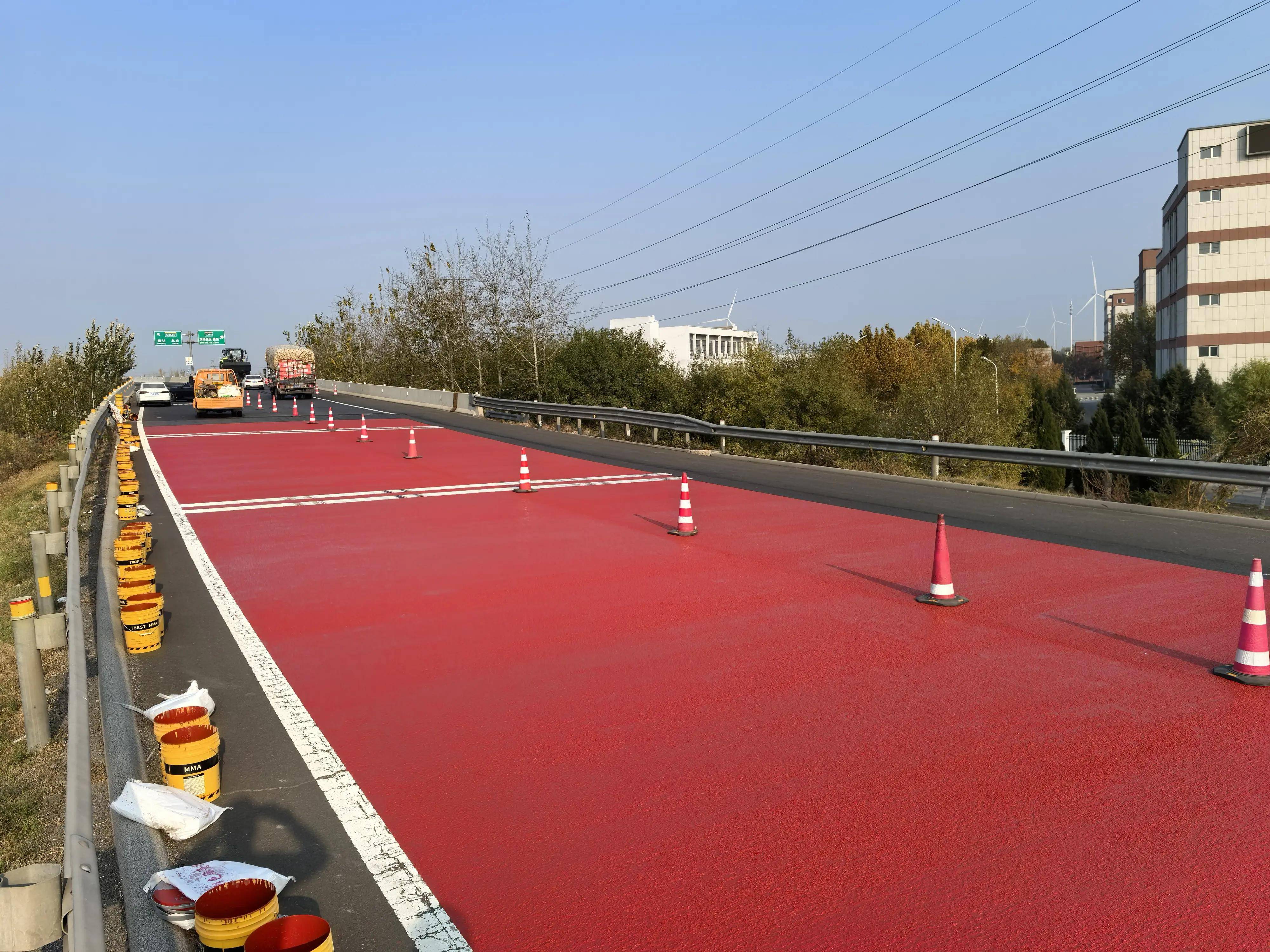
High-quality surfacing materials are designed to withstand daily traffic and outdoor exposure.
Key advantages include:
• Wear resistance
• UV resistance
• Water resistance
• Strong bonding performance
This helps reduce maintenance frequency and extend pavement service life.
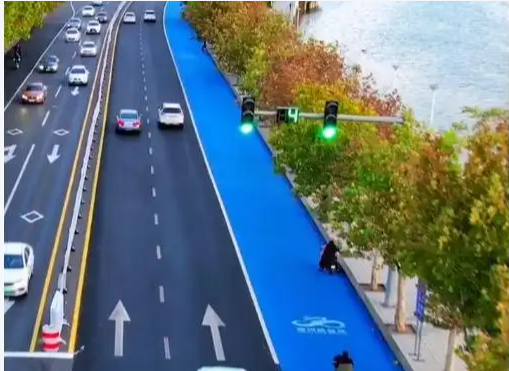
Colored high friction surfacing materials can also improve road visibility and traffic organization.
They are commonly used for:
• Bicycle lanes
• Bus lanes
• Pedestrian crossings
• Safety zones
• Parking areas
High friction surfacing is widely used on highways to improve vehicle control in areas with higher accident risks.
Typical applications include:
• Curves
• Slopes
• Exit ramps
• High-speed sections
As cities develop smarter transportation systems, colored and high-performance pavement solutions are increasingly used to improve road safety and urban appearance.
The growth of cycling and walking facilities has increased demand for safe and durable pavement materials.
High friction surfacing provides:
• Better slip resistance
• Clear visual guidance
• Improved user safety
Bridge decks, airport roads, and industrial areas require surfaces with excellent traction and durability.
High friction surfacing materials help maintain safe operation under heavy use.
When selecting a supplier, contractors and distributors should consider:
• Product quality and performance
• Manufacturing capability
• Export experience
• Technical support
• Customized solutions
A professional manufacturer can provide suitable materials based on project requirements, climate conditions, and application areas.
High Friction Surfacing Materials are becoming an important solution for safer roads in Southeast Asia. With excellent skid resistance, durability, and weather performance, they provide reliable protection for highways, urban roads, bicycle lanes, bridges, and transportation infrastructure.
As Southeast Asian countries continue to invest in road safety and modern infrastructure, high-performance surfacing materials will play a key role in creating safer and more sustainable transportation networks.