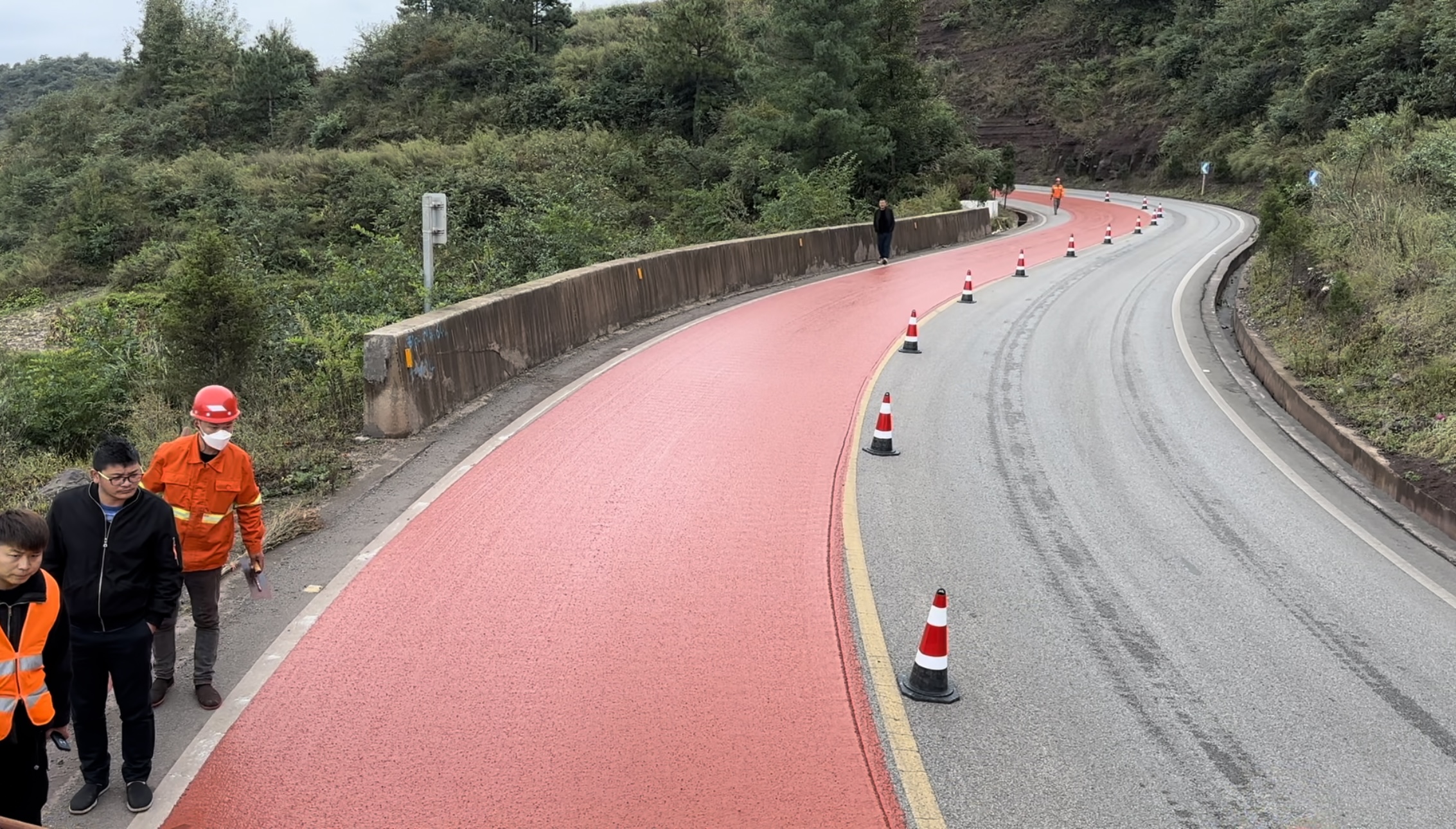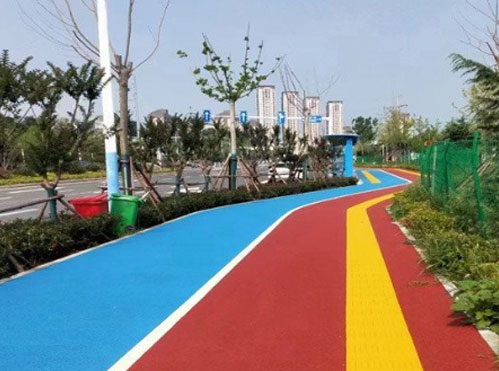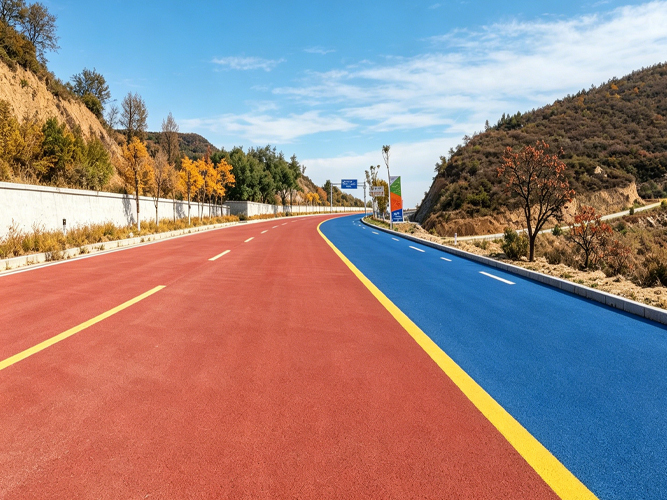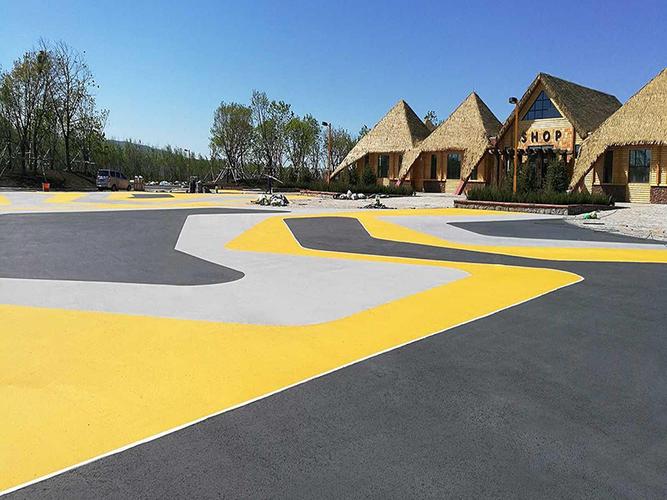
Color emulsified asphalt micro-surfacing is an advanced pavement maintenance and enhancement technology designed to restore, protect, and beautify asphalt surfaces. Unlike traditional asphalt overlays, micro-surfacing is a thin, durable, and flexible coating that combines emulsified asphalt, fine aggregates, mineral fillers, and additives to form a high-performance, fast-curing surface. By incorporating color pigments, this technology not only improves functionality but also enhances the visual appeal of roads, bike lanes, pedestrian paths, and public spaces.

One of the primary advantages of color emulsified asphalt micro-surfacing is its ability to extend pavement life. The micro-surfacing layer seals small cracks, prevents water infiltration, and protects the underlying asphalt from oxidation and weathering. This reduces maintenance costs and prolongs the service life of streets and highways.
The colored pigments in the system provide aesthetic and functional benefits. Bright, durable colors improve traffic guidance, clearly marking lanes, pedestrian crossings, bike paths, and safety zones. The anti-slip texture created by the fine aggregates enhances traction, making the surface safer for vehicles and pedestrians, even under wet or high-traffic conditions.
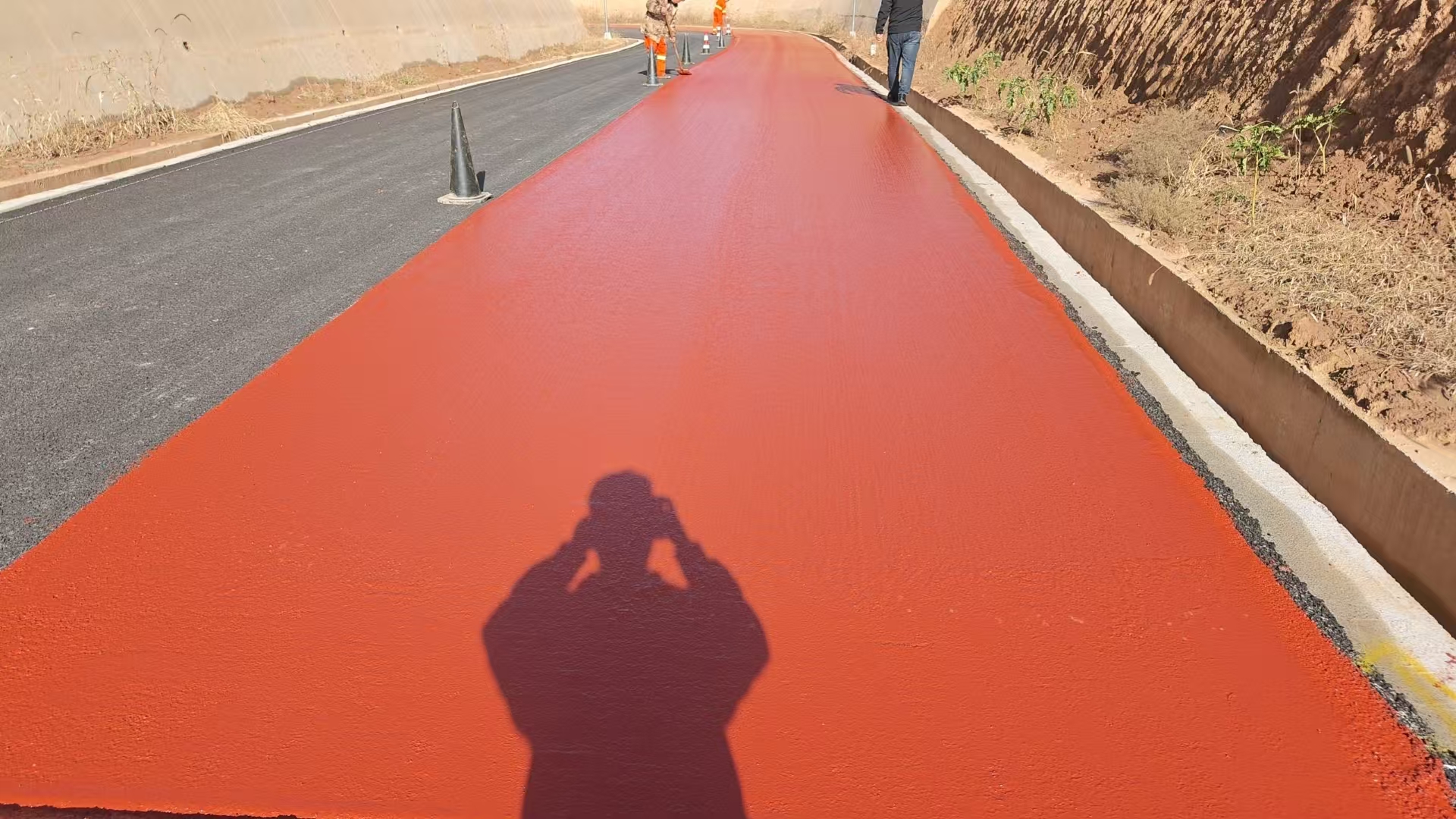
Color emulsified asphalt micro-surfacing is also environmentally friendly. The technology often uses water-based emulsions, reducing volatile organic compounds (VOCs) and environmental impact. Fast curing times allow roads to reopen quickly, minimizing traffic disruptions while delivering long-lasting performance.
Overall, color emulsified asphalt micro-surfacing combines durability, safety, and visual appeal. It is an ideal solution for urban roads, municipal projects, and commercial developments seeking a sustainable, high-performance pavement resurfacing method.