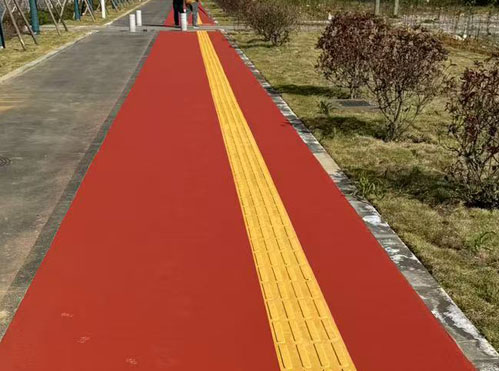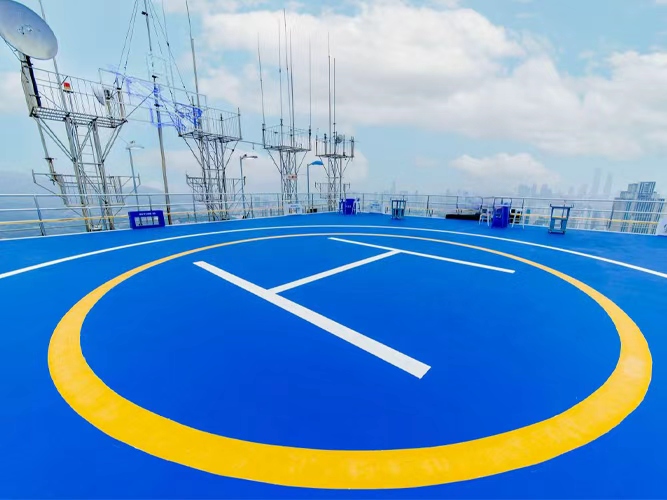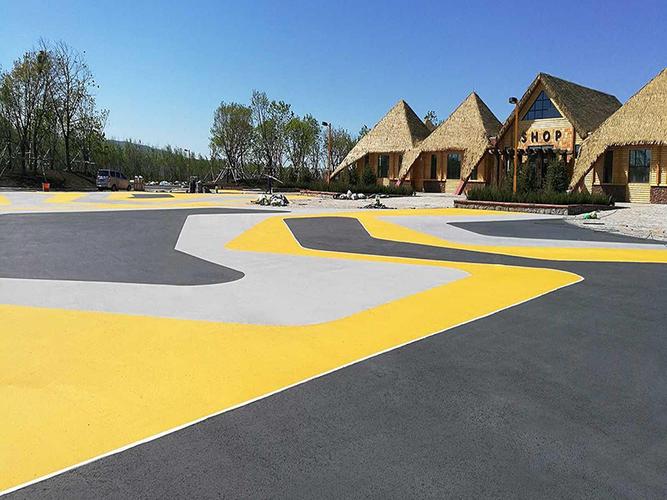
Colored micro-surfacing has become an effective pavement solution for improving bicycle lanes, public streets, and urban transportation areas. By combining polymer-modified asphalt emulsion, high-quality aggregates, pigments, and additives, this technology creates a durable, colorful, and high-performance surface layer.
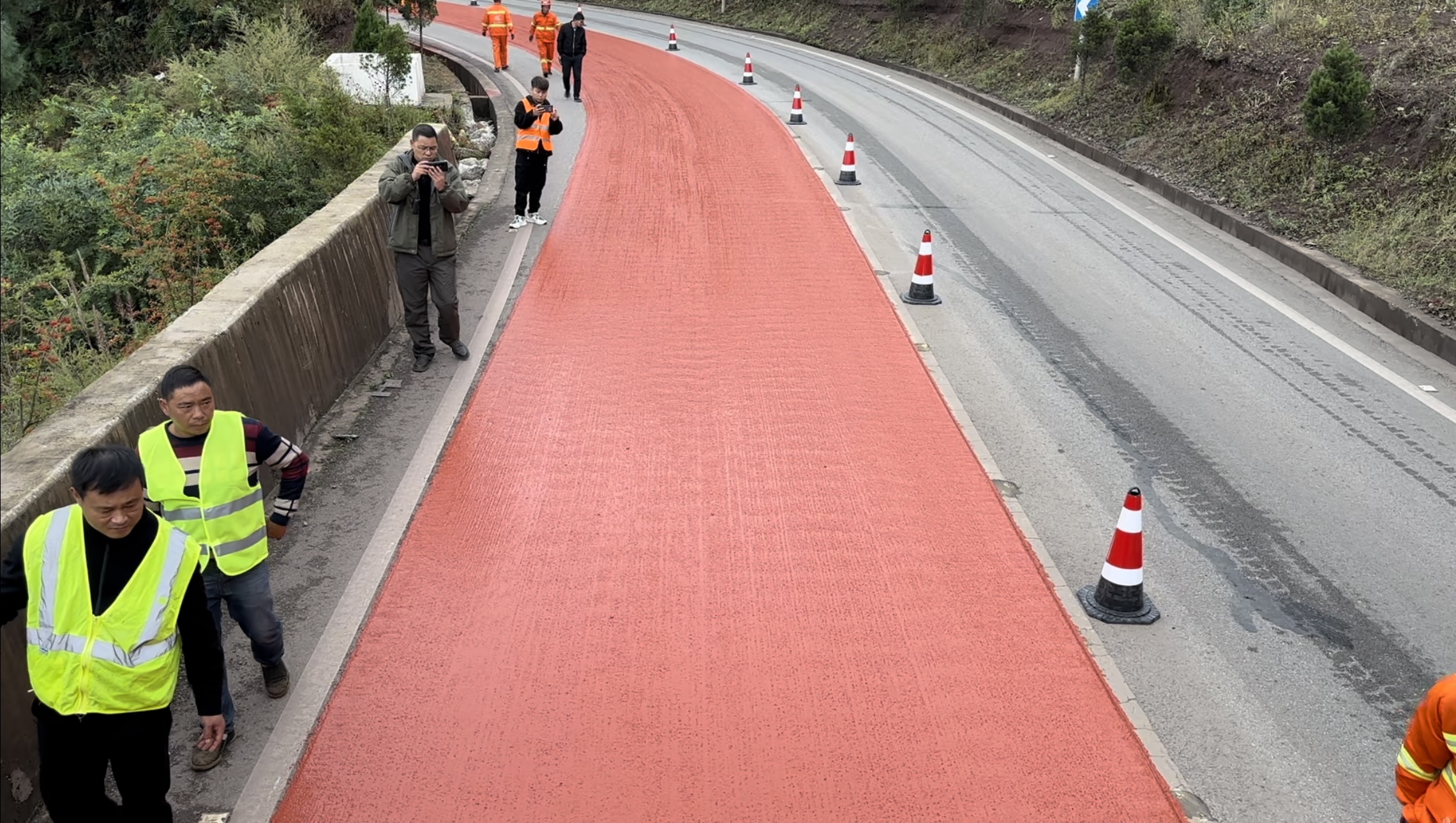
For cities and contractors, colored micro-surfacing provides an economical way to enhance road appearance, improve traffic organization, and extend the service life of existing pavement.
Bicycle infrastructure is becoming increasingly important in modern cities. Clear separation between bicycles and vehicles is essential for improving cyclist safety. Colored micro-surfacing provides a highly visible surface treatment that helps define cycling areas and improve road user awareness.
The main applications include:
Dedicated bicycle lanes
Green transportation corridors
Shared bicycle and pedestrian paths
Urban cycling networks
Different colors can be used to identify bicycle routes, create visual guidance, and reduce conflicts between cyclists and vehicles.
Public streets experience continuous traffic loads, weather exposure, and surface wear. Colored micro-surfacing provides a protective layer that improves pavement performance while enhancing urban aesthetics.
It helps municipalities achieve:
Better lane recognition
Improved road visibility
Increased surface friction
More organized traffic flow
In areas such as intersections, pedestrian crossings, and traffic calming zones, colored surfaces provide additional visual warnings and improve overall safety.
Colored micro-surfacing creates a durable surface layer that protects existing asphalt from oxidation, water damage, and daily traffic wear. It helps extend pavement service life and reduces frequent maintenance requirements.
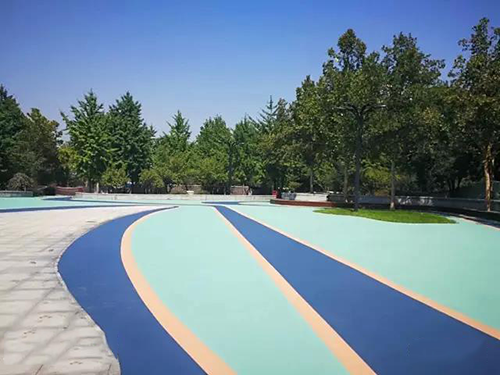
The combination of selected aggregates and polymer materials provides improved friction performance. This is especially valuable for bicycle lanes and public streets exposed to rain or changing weather conditions.
Compared with traditional pavement reconstruction, colored micro-surfacing requires less construction time and causes minimal disruption to traffic. This makes it suitable for urban projects where maintaining road access is important.
Colored pavement is not only a safety feature but also an urban design element. Cities can select different colors to create attractive streetscapes while improving traffic organization.
Colored micro-surfacing helps create clearly visible cycling routes and encourages safer bicycle transportation. It is widely used in city cycling systems, greenways, and community roads.
For municipal streets, colored micro-surfacing can refresh aging pavement surfaces and improve the overall appearance of neighborhoods and commercial areas.
Colored surfaces provide clear identification for special-use lanes, helping improve traffic management and reduce unauthorized vehicle access.
In areas where pedestrians and cyclists share space, colored micro-surfacing helps define movement zones and improves user experience.
For government agencies and contractors, colored micro-surfacing offers several benefits:
Lower maintenance costs compared with full pavement replacement
Extended pavement life
Improved traffic safety
Flexible color and design options
Suitable for large-area applications
Environmentally friendly pavement improvement method
These advantages make it an ideal choice for urban renewal projects and sustainable transportation development.
The typical installation process includes:
Cleaning and preparing the existing pavement surface
Repairing cracks and damaged areas if necessary
Mixing aggregates, polymer emulsion, pigments, and additives
Applying the colored micro-surfacing mixture evenly
Allowing curing time before reopening the road
Proper construction ensures strong adhesion, uniform color, and long-term pavement performance.
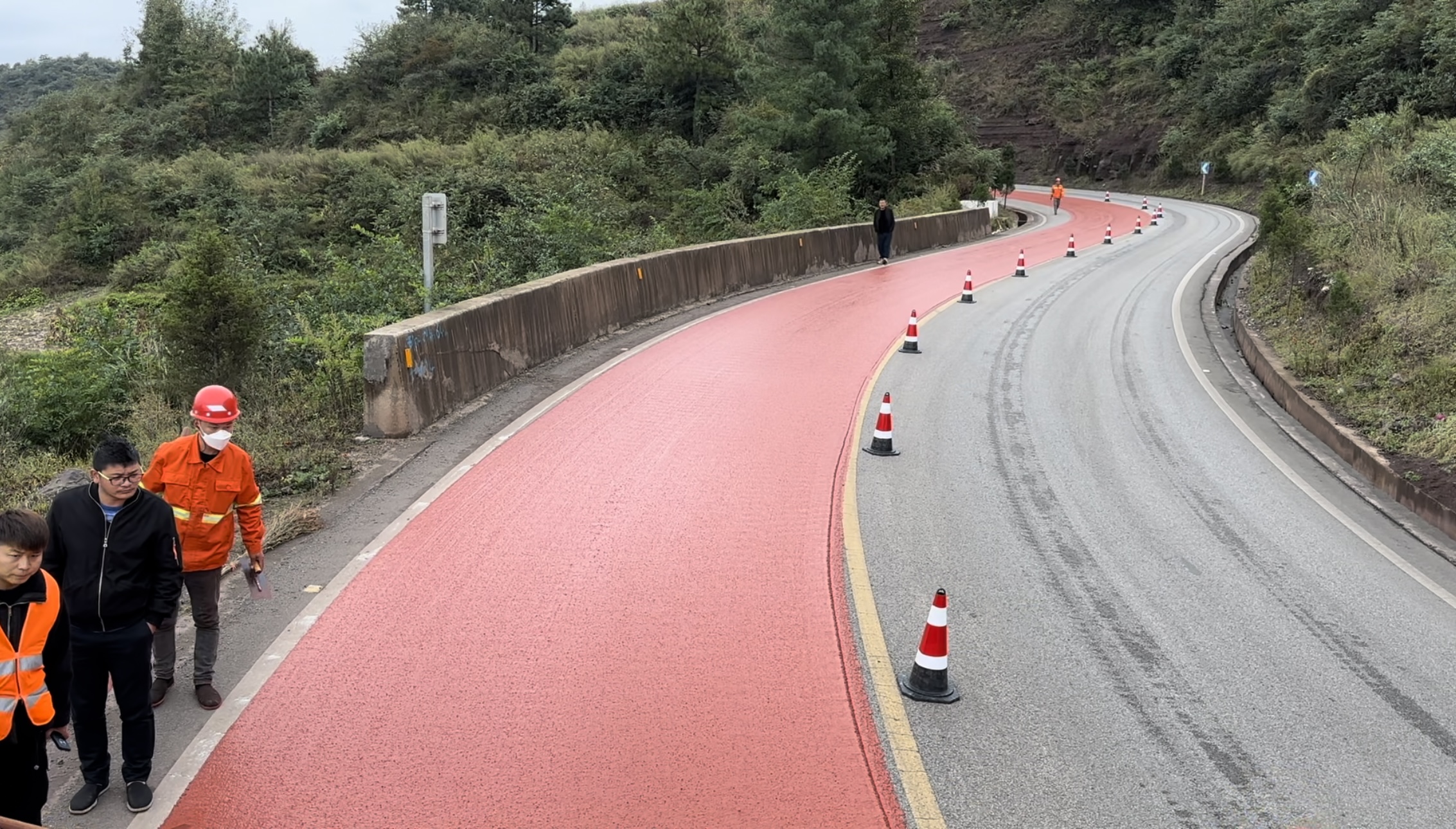
Colored micro-surfacing solutions provide an efficient and durable way to improve bicycle lanes and public streets. By combining safety performance, pavement protection, and attractive appearance, this technology supports modern urban transportation development.
As cities continue to invest in safer cycling networks and improved public spaces, colored micro-surfacing will remain an important solution for creating durable, functional, and visually appealing road environments.