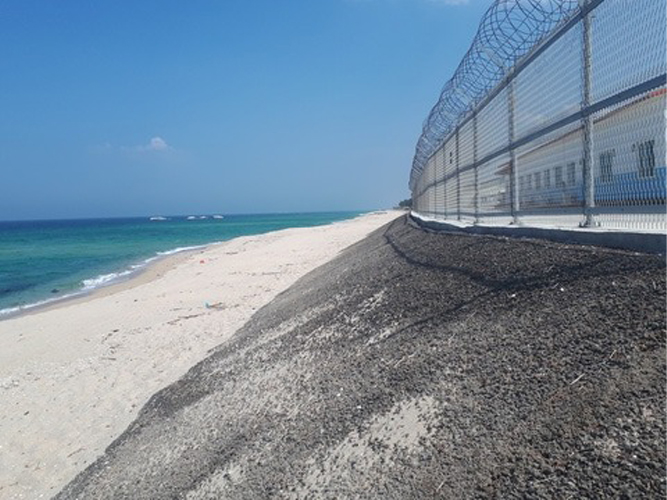
Road anti-skid materials are widely used in highways, intersections, bridge decks, ramps, bicycle lanes, and pedestrian areas to improve friction and enhance traffic safety. While these high-performance pavement systems are designed for durability, proper maintenance is essential to maximize their service life, preserve skid resistance, and ensure long-term safety performance.
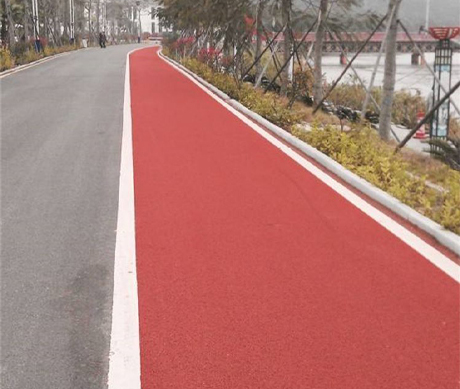
Even the most advanced high-friction surfacing systems are exposed to continuous traffic loads, weather changes, UV radiation, water penetration, and surface contamination. Over time, these factors can reduce friction performance and affect surface texture. Regular maintenance helps prevent premature wear, maintain skid resistance, and reduce long-term repair costs.
Dirt, dust, oil, rubber residue, and debris can gradually reduce surface friction. Routine cleaning is one of the simplest and most effective maintenance methods.
Use water flushing or mechanical sweeping for general cleaning
Remove oil stains and chemical spills immediately
Avoid harsh cleaning methods that may damage surface texture
Keeping the surface clean helps maintain optimal skid resistance and visibility.
Oil leaks from vehicles and chemical spills can significantly reduce friction performance.
Inspect high-traffic areas regularly for contamination
Clean contaminated zones immediately using appropriate absorbents
Apply protective measures in parking areas, loading zones, and industrial roads
Preventing contamination is critical for maintaining long-term anti-skid effectiveness.
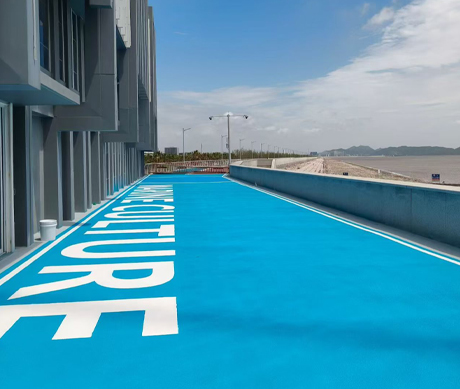
Although anti-skid pavement systems are highly durable, localized damage may occur due to heavy loads or external impact.
Repair small damaged areas as soon as they appear
Use compatible repair materials to ensure bonding consistency
Avoid delaying repairs, as small defects may expand over time
Early intervention helps prevent larger structural deterioration.
Excessive or uneven traffic loads can accelerate surface wear.
Avoid prolonged heavy static loads in sensitive areas
Use traffic management strategies for high-load zones
Consider reinforcement in bus lanes, intersections, and bridge approaches
Proper load distribution helps extend pavement service life.
Different weather conditions affect pavement performance in different ways.
In rainy seasons: check drainage performance and water accumulation
In winter: monitor freeze-thaw impact and surface cracking
In hot climates: inspect UV-related aging and binder stability
Seasonal inspections help detect early signs of deterioration.
Sharp objects, metal chains, or improper construction activities can damage the surface texture.
Restrict unauthorized construction or heavy scraping on treated surfaces
Use protective barriers during nearby roadworks
Avoid aggressive snow removal tools that may damage aggregates
Protecting surface integrity is key to maintaining friction performance.
Regular performance testing ensures the surface continues to meet safety standards.
Measure skid resistance at scheduled intervals
Identify high-risk zones with reduced friction
Plan maintenance or resurfacing based on performance data
Data-driven maintenance helps improve overall road safety management.
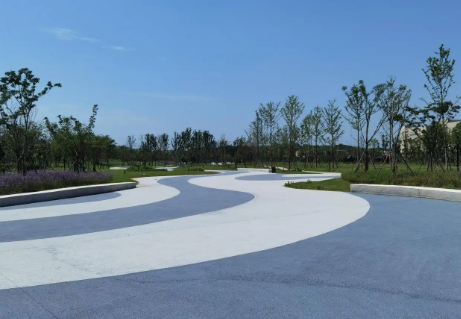
Water accumulation can reduce friction and accelerate wear.
Ensure drainage systems remain unblocked
Repair damaged curbs, slopes, or drainage channels
Prevent standing water on pavement surfaces
Good drainage directly supports anti-skid performance in wet conditions.
The service life of road anti-skid materials depends not only on material quality but also on proper maintenance practices. Regular cleaning, contamination control, timely repairs, seasonal inspections, and effective traffic management all contribute to preserving high friction performance and ensuring long-term road safety.
With proper care, high-friction pavement systems can maintain excellent skid resistance, durability, and visual performance for many years, supporting safer and more efficient transportation infrastructure.