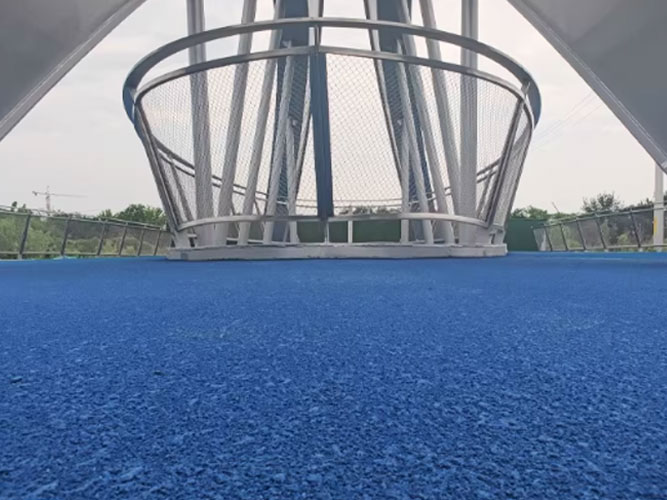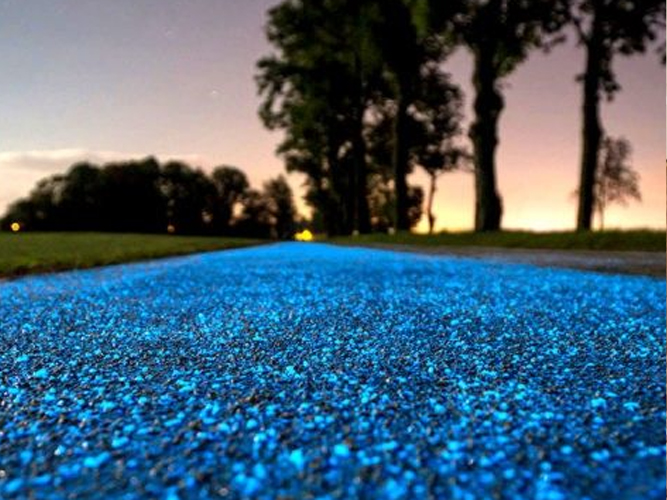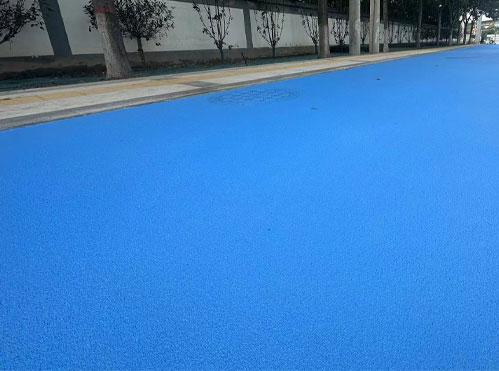
High-performance colored asphalt and concrete are transforming urban spaces by combining durability, safety, and visual appeal. These advanced pavement systems use pigments, resins, and high-quality aggregates to create vibrant, long-lasting surfaces suitable for roads, pedestrian walkways, bike lanes, parks, and public plazas. By “coloring the city,” municipalities can improve traffic organization, enhance public safety, and elevate the aesthetic quality of urban environments.
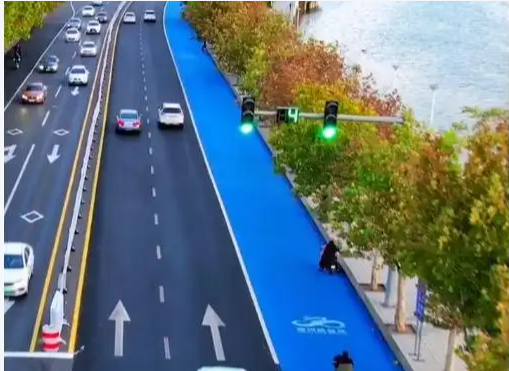
One of the key advantages of colored asphalt and concrete is enhanced visibility and traffic guidance. Distinct colors help define traffic lanes, bicycle paths, and pedestrian zones, making navigation safer for drivers, cyclists, and pedestrians. Red, green, blue, and yellow surfaces can designate bus lanes, bike lanes, or public activity areas, clearly separating traffic types and reducing the risk of accidents.
Safety performance is another strength. High-performance colored pavement is often designed with anti-slip properties and high-friction surfaces. This improves tire grip for vehicles and traction for pedestrians, particularly in wet conditions, intersections, and high-traffic areas. Textured surfaces also help prevent skidding and slipping, making urban roads and walkways safer for all users.
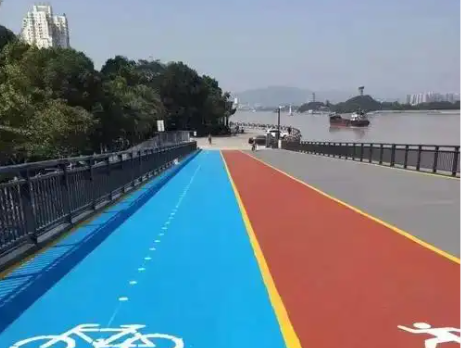
Durability is built into these systems. Advanced asphalt and concrete formulations, often reinforced with polymer modifiers or resin binders, resist wear, UV exposure, weather extremes, and heavy traffic loads. These surfaces maintain color stability and structural integrity over time, ensuring a long-lasting, low-maintenance solution for urban infrastructure.
Environmental sustainability is also prioritized. Many colored pavement products use water-based or low-VOC materials, eco-friendly aggregates, and fast-curing technologies to reduce environmental impact and minimize disruption during installation.
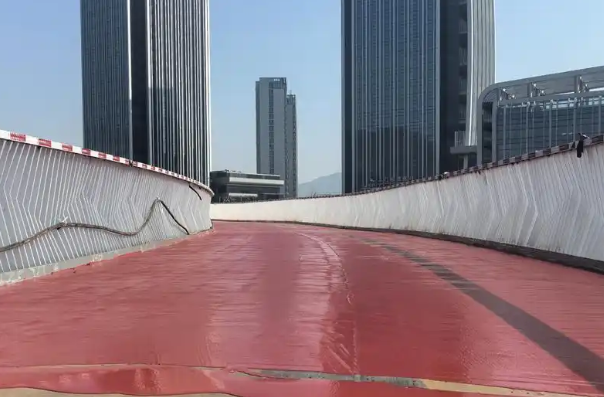
By integrating safety, functionality, and visual appeal, high-performance colored asphalt and concrete allow cities to “color their streets” while improving infrastructure quality, enhancing traffic management, and creating vibrant public spaces that people enjoy.