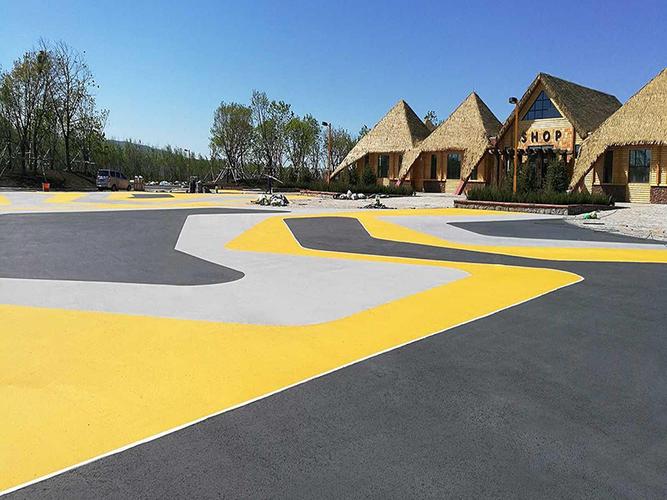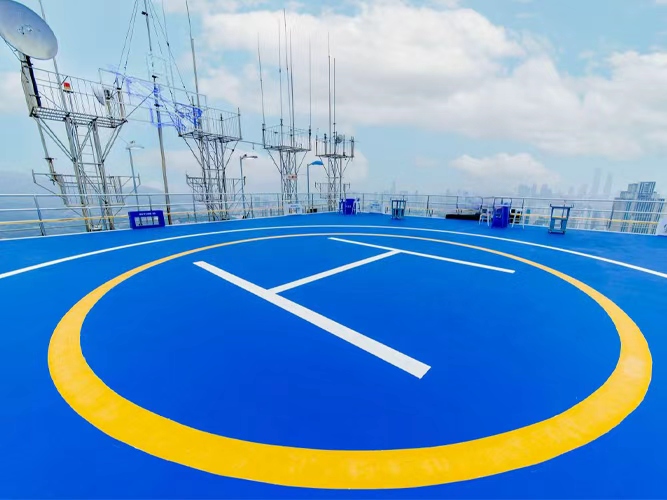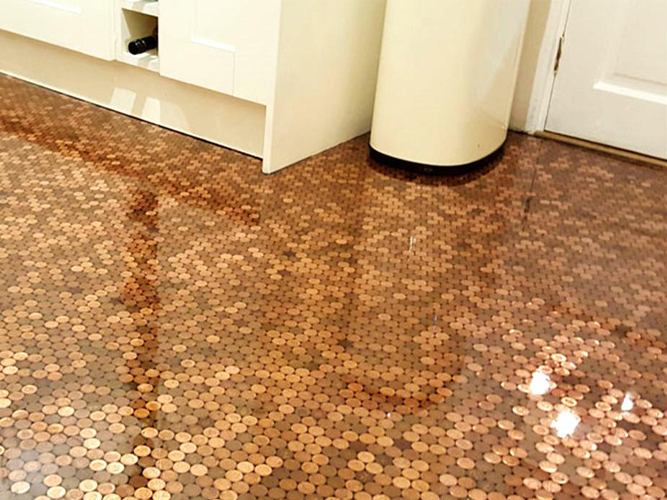
Color Emulsified Micro-Surfacing is an advanced pavement treatment designed to extend road life while significantly improving traffic safety and surface performance. It combines polymer-modified emulsified asphalt, high-quality mineral aggregates, pigments, water, and performance additives to form a thin, durable layer applied over existing asphalt or concrete pavements.
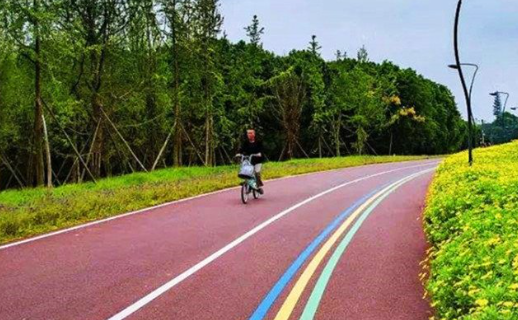
This technology plays an important role in modern road maintenance strategies because it addresses two key priorities at the same time: protecting pavement structure and improving road visibility and skid resistance.
One of the primary functions of Color Emulsified Micro-Surfacing is pavement preservation. The mixture forms a protective layer that seals the existing surface and prevents water infiltration, which is one of the main causes of pavement deterioration. By blocking moisture penetration, it helps reduce problems such as cracking, potholes, raveling, and oxidation.
The polymer-modified binder enhances flexibility and adhesion, allowing the surface layer to bond tightly with the underlying pavement. This improves structural durability and helps the road withstand heavy traffic loads and temperature fluctuations. As a result, the service life of the pavement is significantly extended, delaying the need for costly reconstruction.
Safety is a major advantage of Color Emulsified Micro-Surfacing. The surface contains carefully selected aggregates that create a high-friction texture, improving tire grip for vehicles, bicycles, and pedestrians. This enhanced skid resistance reduces stopping distances and helps prevent accidents, especially in wet or slippery conditions.
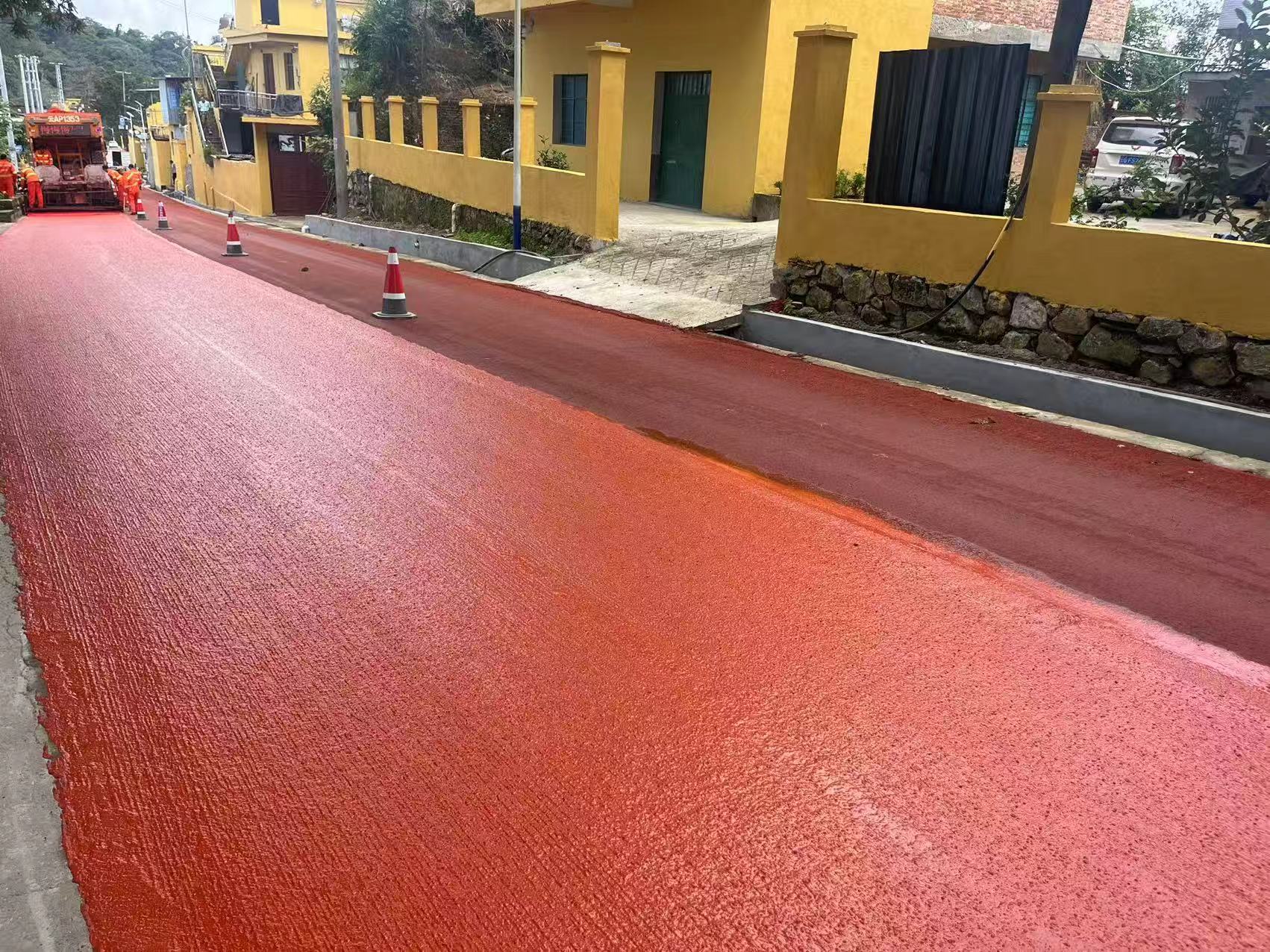
In addition, the incorporation of color pigments improves road visibility and communication. Bright colors are used to clearly define traffic zones such as bike lanes, bus lanes, pedestrian crossings, school zones, and intersection conflict areas. This visual guidance helps drivers make quicker decisions and reduces the risk of collisions.
Color Emulsified Micro-Surfacing is especially effective in high-risk locations such as intersections, curves, downhill sections, bridge approaches, and urban corridors with heavy traffic. These areas often experience frequent braking, turning, and congestion, making skid resistance and visibility critical for safety.
By providing both a textured anti-skid surface and clear visual differentiation, the treatment significantly improves driver awareness and road user behavior in these sensitive zones.
Compared to full-depth pavement reconstruction, Color Emulsified Micro-Surfacing is a highly cost-effective solution. It requires fewer materials, less labor, and shorter construction time. Because it is applied as a thin surface layer, traffic can often be reopened quickly, minimizing disruption to road users and local communities.
This makes it an attractive option for municipalities and transportation agencies seeking efficient maintenance strategies with long-term benefits.
Color Emulsified Micro-Surfacing is also environmentally friendly. It is typically a cold-applied process, which reduces energy consumption compared to hot-mix asphalt production. Many formulations use water-based emulsions with low volatile organic compound (VOC) emissions.
By extending pavement life and reducing the need for full reconstruction, it also helps conserve raw materials and reduce construction waste.
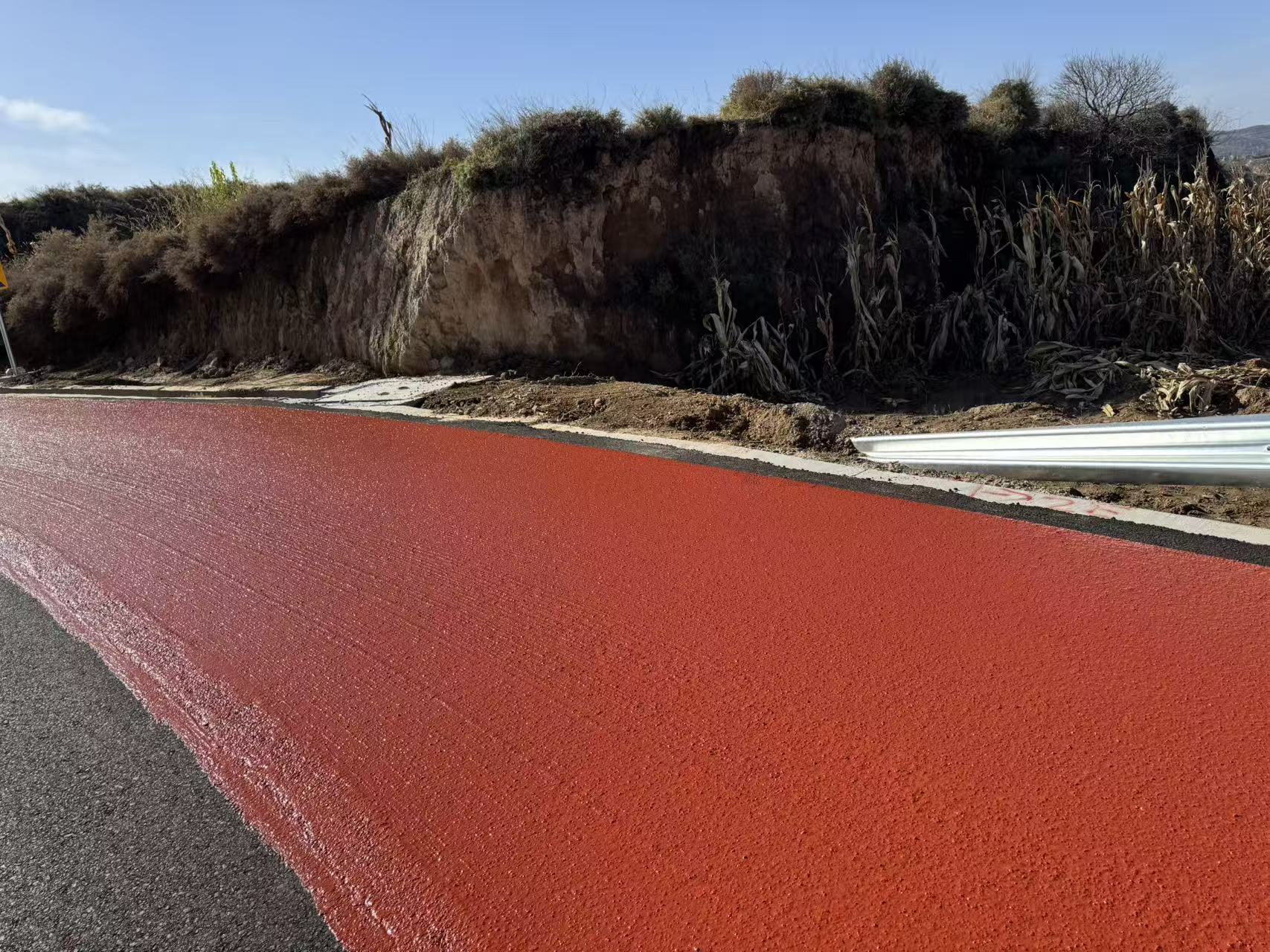
This technology is widely used in urban roads, bicycle lanes, pedestrian crossings, parking areas, bus corridors, and traffic-calming zones. It supports both functional road protection and urban design goals, making it suitable for smart city infrastructure projects.
Color Emulsified Micro-Surfacing offers a powerful combination of pavement preservation and safety enhancement. By improving skid resistance, increasing visibility, sealing surface damage, and extending pavement lifespan, it provides a practical and sustainable solution for modern road maintenance. As cities continue to prioritize safer and longer-lasting infrastructure, this technology is becoming an essential part of advanced road engineering systems.