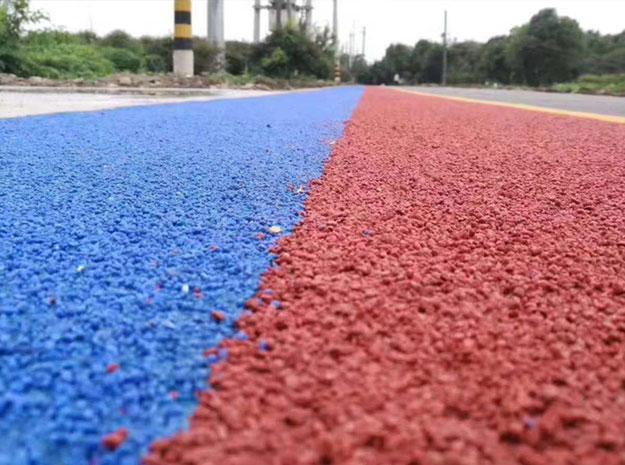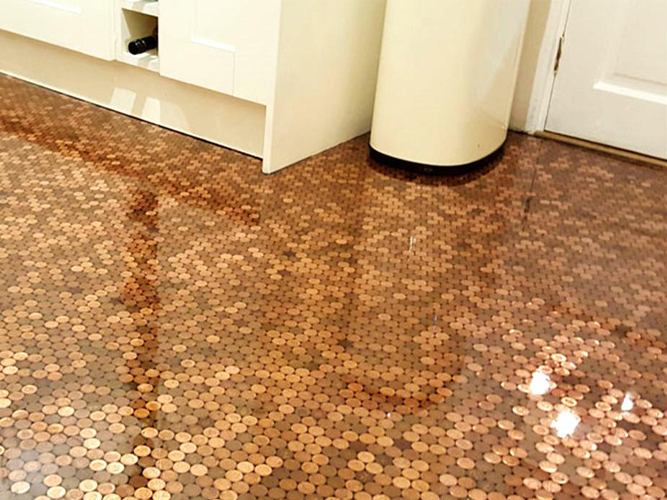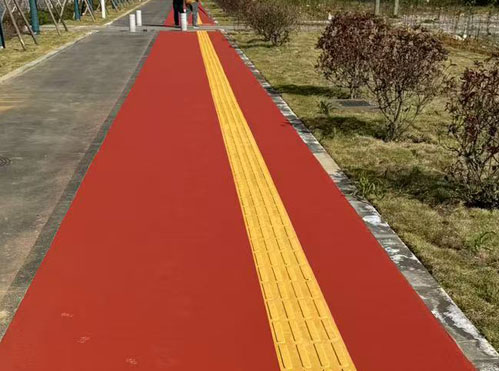
Colored pavement technology continues to evolve in 2026, offering better durability, improved skid resistance, faster installation, and enhanced environmental performance. Whether the project involves bicycle lanes, pedestrian crossings, bus lanes, school zones, or urban streets, selecting the right pavement system is critical for long-term performance.
Here are the leading colored pavement options for 2026 and where each performs best.
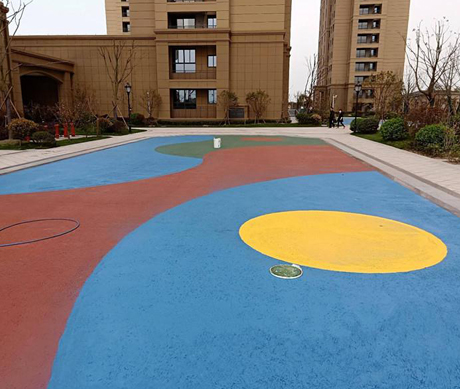
Methyl Methacrylate (MMA) systems are widely considered the premium choice for high-traffic colored pavement applications. MMA coatings cure rapidly, provide excellent adhesion, and maintain color stability under heavy traffic and harsh weather conditions. Many transportation agencies use MMA for bike lanes, bus lanes, intersections, and safety zones.
Fast curing (often traffic-ready within hours)
Excellent skid resistance
Superior UV resistance
Long service life
Suitable for heavy traffic areas
Bicycle lanes
Bus lanes
Urban intersections
High-friction safety zones
Crosswalks
Epoxy pavement systems remain a popular choice due to their strong bonding performance and excellent wear resistance. When combined with colored aggregates, epoxy systems create durable, anti-slip surfaces suitable for urban infrastructure.
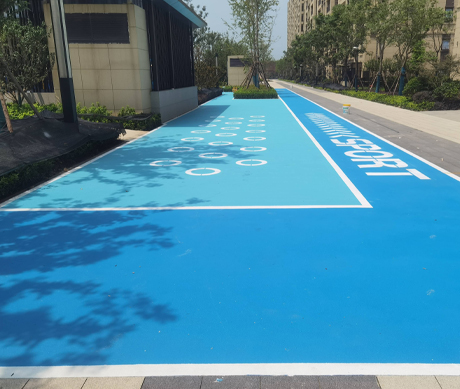
Strong adhesion
High abrasion resistance
Excellent color retention
Good chemical resistance
Pedestrian areas
Commercial districts
Parking facilities
Public plazas
Polyurethane systems provide greater flexibility than epoxy coatings and perform well in areas exposed to temperature fluctuations. They are often used where crack resistance and long-term elasticity are important.
Flexible surface
Crack-resistant performance
Good weather resistance
Long-lasting color stability
Bridges
Walkways
Recreational areas
Residential communities
As sustainability becomes increasingly important, water-based colored pavement technologies are gaining popularity. These systems produce lower VOC emissions and offer a safer installation process while still providing attractive color and anti-slip performance.
Environmentally friendly
Low VOC emissions
Cost-effective
Easy application
Parks
Campus pathways
Community roads
Eco-friendly urban projects
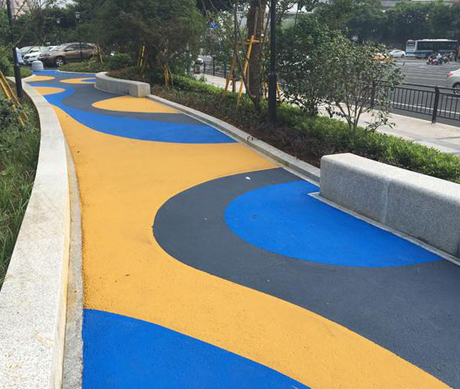
High-friction surfacing combines colored binders with premium aggregates such as calcined bauxite, ceramic particles, or quartz materials. These systems are specifically designed to improve vehicle braking performance and reduce accidents.
Exceptional skid resistance
Enhanced safety in wet conditions
Long-term durability
Highly visible traffic guidance
Sharp curves
Roundabouts
School zones
Steep ramps
Accident-prone intersections
Modern acrylic and epoxy-modified acrylic coatings remain a practical solution for upgrading existing asphalt surfaces. These systems provide attractive colors and traffic guidance at a lower cost than full-depth colored asphalt construction.
Lower installation cost
Quick application
Suitable for pavement rehabilitation
Wide range of colors
Existing road upgrades
Parking lots
Temporary traffic projects
Urban streets
| System | Durability | Installation Speed | Cost Level | Safety Performance |
|---|---|---|---|---|
| MMA Pavement | Excellent | Excellent | High | Excellent |
| Epoxy Pavement | Excellent | Good | Medium-High | Excellent |
| Polyurethane Pavement | Very Good | Good | Medium-High | Very Good |
| Water-Based Pavement | Good | Good | Medium | Good |
| High-Friction Surfacing | Excellent | Good | High | Outstanding |
| Acrylic Colored Coating | Good | Excellent | Low-Medium | Good |
For most municipal and transportation projects in 2026, MMA colored pavement remains the industry-leading solution because it combines fast curing, superior durability, high visibility, and excellent skid resistance.
For environmentally focused projects, water-based systems offer a strong balance between sustainability and performance.
For safety-critical areas such as intersections, ramps, and curves, high-friction colored surfacing provides the highest level of skid resistance and traffic safety.
The best colored pavement option in 2026 depends on project goals, traffic volume, and budget. MMA systems lead in overall performance, high-friction surfacing delivers maximum safety, epoxy and polyurethane offer excellent durability, while water-based coatings support sustainable urban development. By selecting the right system for the application, cities and contractors can create safer, more attractive, and longer-lasting pavement infrastructure.