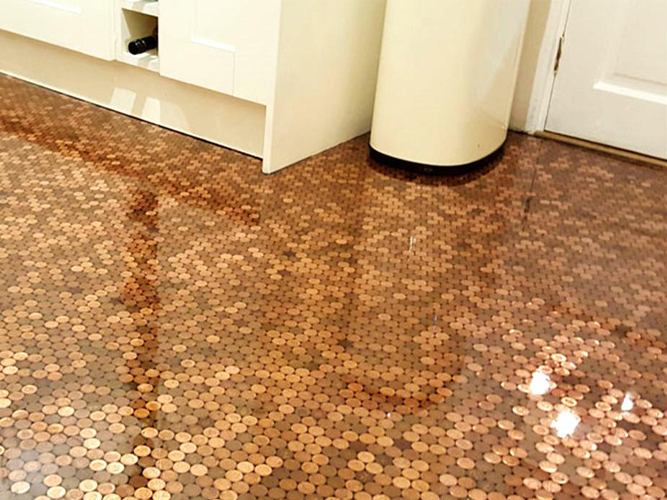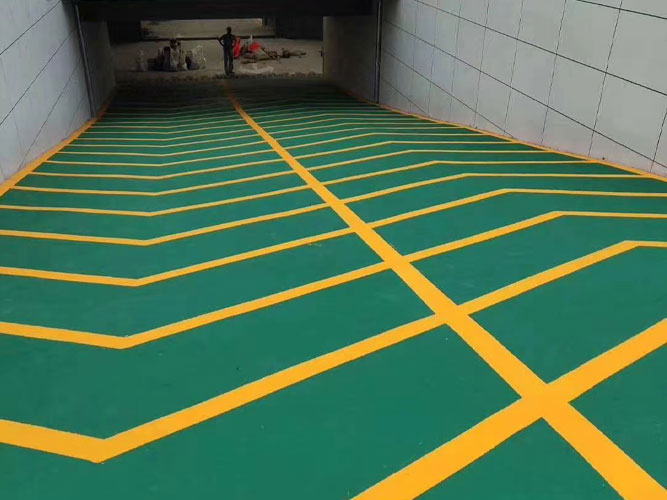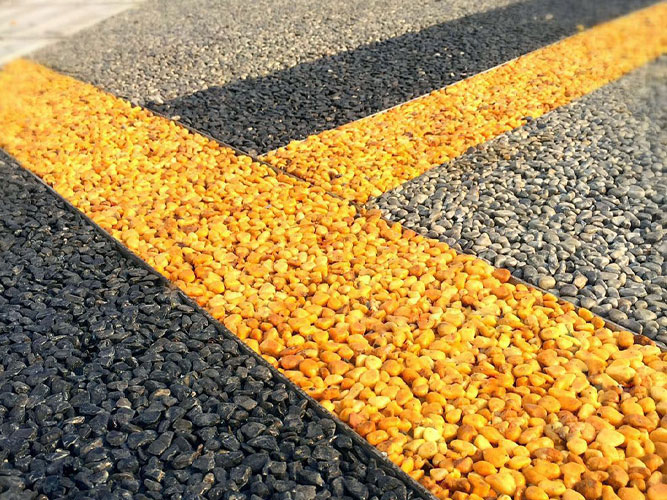
Colored anti-skid pavement coatings are specialized surface treatment systems designed to improve road safety, enhance visibility, and increase surface friction. They are widely used in urban roads, pedestrian crossings, bicycle lanes, ramps, parking areas, and other high-risk traffic zones where both safety and clear visual guidance are required.
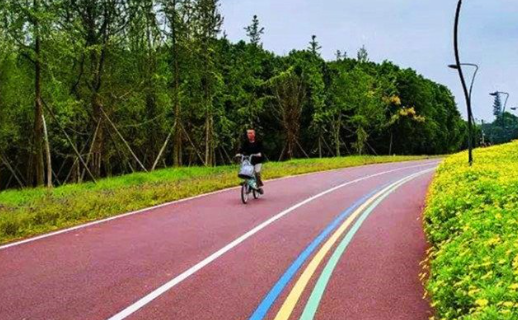
These coatings are typically made by combining durable binders with colored pigments and high-friction aggregates. The binder acts as the bonding layer, while the aggregates create a textured surface that improves grip between tires or footwear and the pavement. This combination results in a surface that is both visually distinctive and highly skid-resistant.
One of the main functions of colored anti-skid coatings is to improve traction. The rough surface texture increases friction, helping vehicles maintain stability during braking, turning, or driving in wet conditions. This significantly reduces the risk of slipping or skidding, especially in areas prone to accidents such as intersections, curves, and pedestrian crossings.
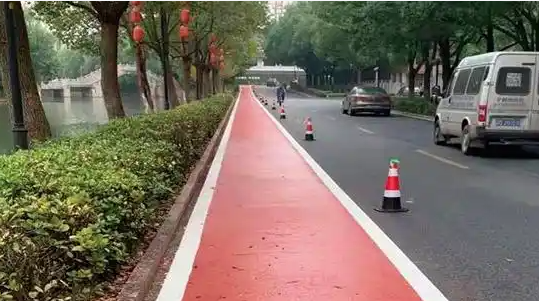
Another key advantage is enhanced visibility. The use of bright colors such as red, green, yellow, or blue helps clearly define specific road zones. This allows drivers, cyclists, and pedestrians to quickly recognize traffic rules and designated areas, improving overall road organization and safety.
Modern colored anti-skid coatings are also designed for durability. They can resist heavy traffic loads, UV exposure, rain, and temperature fluctuations while maintaining long-term color stability and surface performance. Depending on the system used—such as MMA resin, epoxy, or water-based coatings—service life and performance levels may vary.
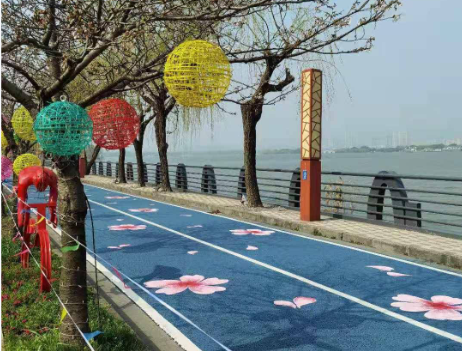
In addition to safety and functionality, these coatings contribute to urban aesthetics by creating cleaner, more structured, and visually appealing road environments. They are increasingly used in modern city planning to support safer, more organized, and more sustainable transportation systems.