Road safety is one of the most important challenges in modern transportation development. With increasing traffic volumes and complex urban environments, improving road visibility and surface performance has become essential. Coloured surfacing for road safety provides an effective solution by combining high visibility, anti-skid performance, and durable pavement protection.
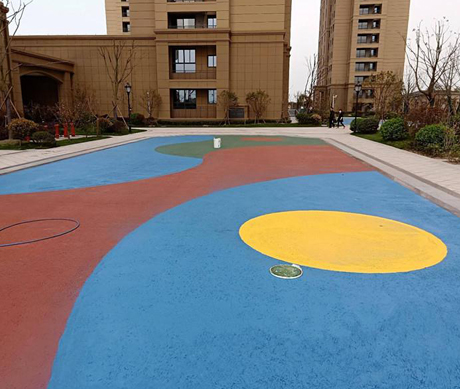
By creating clearly recognizable traffic areas, coloured surfacing helps drivers, cyclists, and pedestrians move more safely while supporting better traffic management.
Coloured surfacing is an advanced pavement system designed to improve the safety and functionality of asphalt and concrete surfaces.
The system uses durable colored materials and high-friction aggregates to create surfaces with:
Excellent skid resistance
High visibility
Strong adhesion
Weather durability
Long service life
Low maintenance requirements
Unlike traditional road surfaces, coloured surfacing provides both safety performance and visual guidance.
Visibility plays a critical role in preventing traffic accidents. Colored road surfaces create a strong contrast with traditional asphalt, allowing road users to identify specific areas more quickly.
Common applications include:
Bicycle lanes
Bus lanes
Pedestrian crossings
School zones
Traffic warning areas
Intersection safety zones
Clear visual communication helps improve awareness and reduces potential conflicts between different road users.
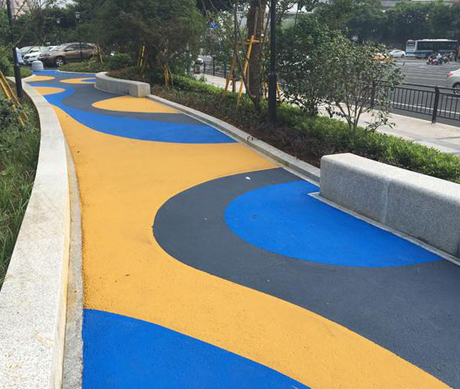
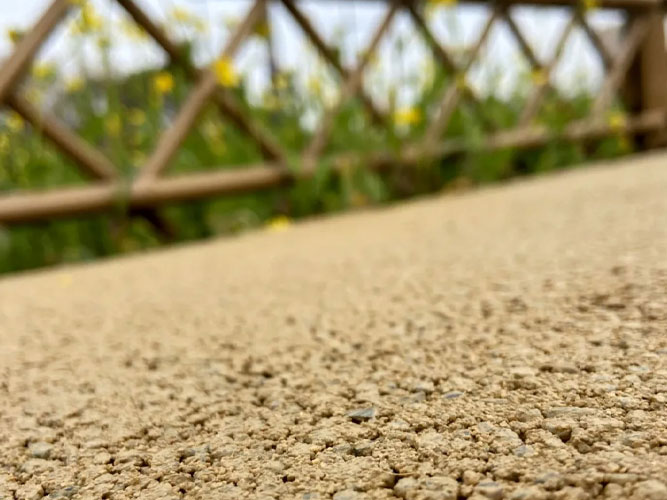
Safety depends not only on visibility but also on surface friction. High-quality coloured surfacing systems provide excellent grip through the use of anti-skid aggregates.
Improved friction helps:
Increase vehicle stability
Reduce slipping risks
Improve braking performance
Enhance safety during wet conditions
This makes coloured surfacing especially suitable for high-risk locations such as curves, slopes, and busy intersections.
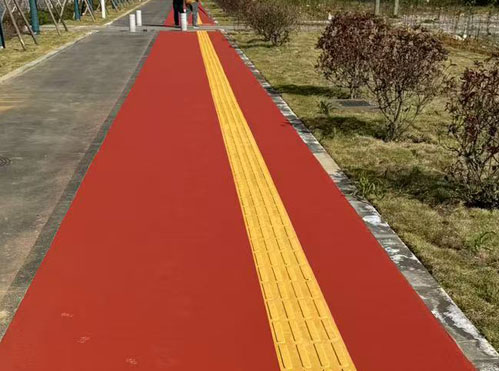
Modern cities require efficient traffic management solutions. Coloured surfacing allows engineers and planners to visually separate different traffic functions.
Examples include:
Red surfaces for priority bus lanes
Green surfaces for cycling routes
Colored pedestrian areas
Warning zones at conflict points
This visual guidance improves traffic flow and creates more organized transportation systems.
As sustainable transportation becomes more important, bicycle and pedestrian networks are expanding worldwide.
Coloured surfacing helps create safer spaces by:
Separating cyclists from vehicles
Highlighting pedestrian areas
Improving route recognition
Increasing user confidence
It supports the development of safer and more accessible urban mobility systems.
Road safety solutions must provide reliable performance over time. Professional coloured surfacing systems are designed to withstand demanding outdoor environments.
They offer resistance against:
UV exposure
Rain and moisture
Temperature changes
Heavy traffic loads
Surface wear
Long-lasting performance reduces maintenance needs and improves infrastructure value.
Improves traffic control and enhances safety in city streets.
Highlights high-risk areas and encourages drivers to pay attention.
Provides additional friction and visibility where safety requirements are higher.
Creates visible and slip-resistant cycling routes.
Improves recognition of pedestrian priority areas.
Enhances safety and appearance in parking facilities, communities, and public spaces.
Choosing coloured surfacing for road safety provides several benefits:
Improved accident prevention
Better traffic guidance
Attractive road appearance
Durable pavement performance
Flexible application options
Reduced maintenance costs
These advantages make coloured surfacing an ideal solution for modern infrastructure projects.
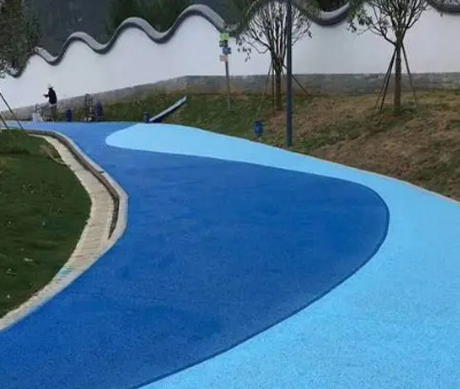
Before installation, project owners should consider:
High-traffic areas require stronger materials with higher friction performance.
The system should be compatible with asphalt, concrete, or existing surfaces.
Weather resistance is important for long-term outdoor applications.
Color selection, friction levels, and durability should match project objectives.
Coloured surfacing for road safety provides an effective way to improve visibility, enhance skid resistance, and create safer transportation environments. From urban roads and bicycle lanes to pedestrian areas and traffic management zones, coloured surfacing helps build safer and more efficient infrastructure.
As cities continue to focus on smart mobility and safer road systems, coloured surfacing will remain an important solution for contractors, engineers, and transportation professionals worldwide.