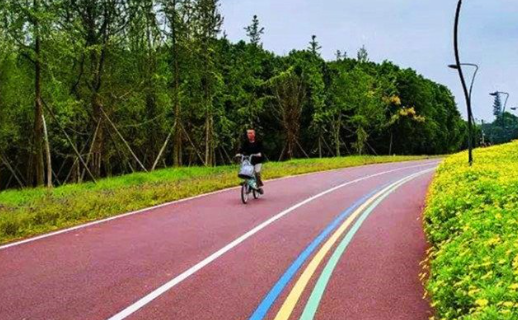
Colored pavement for bicycle lanes is an increasingly important element of modern urban transportation design. It helps cities create safer, more visible, and better-organized cycling networks while encouraging sustainable mobility. By combining color differentiation with durable anti-slip surface technology, these lanes improve both safety and usability for cyclists.
Traditional asphalt bicycle lanes can be difficult to distinguish from vehicle lanes, especially in busy or low-visibility conditions. Colored pavement solves this problem by creating a clear visual separation between different traffic modes.
The main purposes include:
Clearly defining dedicated cycling space
Reducing vehicle intrusion into bike lanes
Improving cyclist confidence and safety
Enhancing urban traffic organization
Color is one of the most effective tools for guiding road users. Bright, consistent colored bicycle lanes help both cyclists and drivers recognize cycling infrastructure immediately.
Safety benefits include:
Faster driver awareness of bike lanes
Reduced accidents at intersections and merges
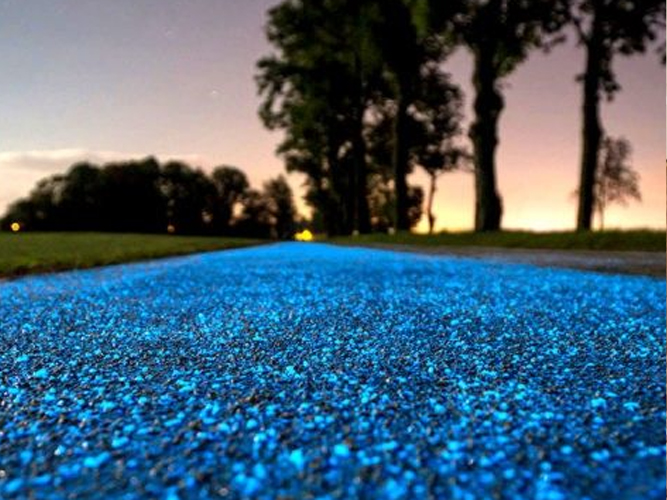
Better visibility at night and in rain
Clear separation from motor vehicle traffic
Commonly used colors such as green are internationally recognized for bicycle infrastructure, making navigation more intuitive.
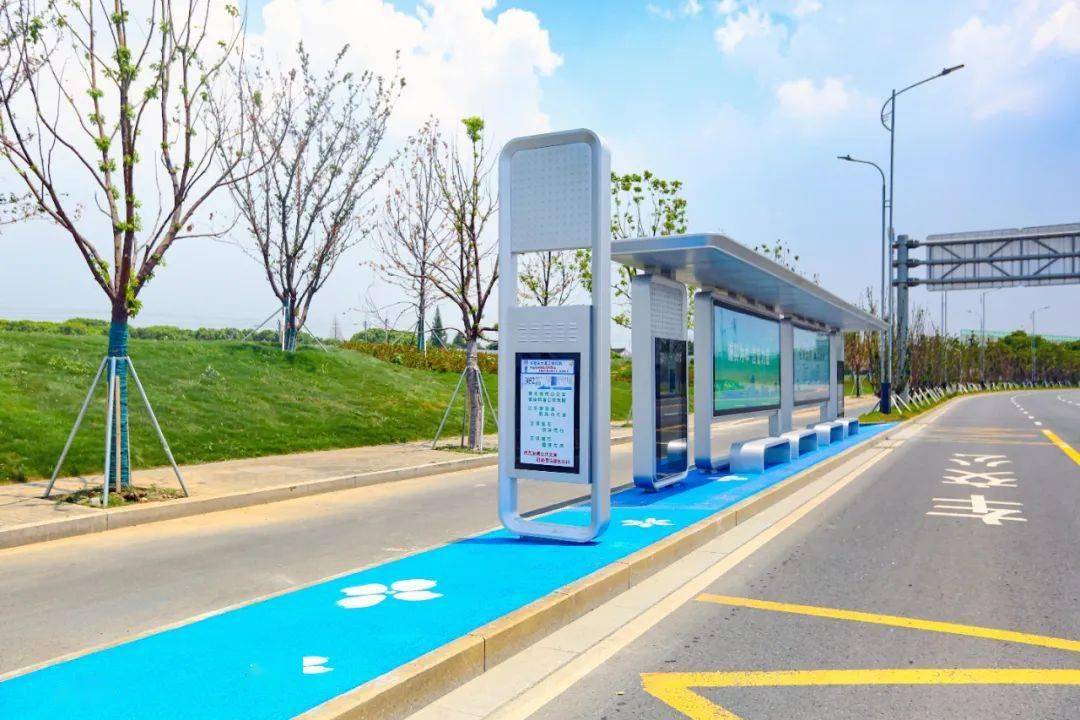
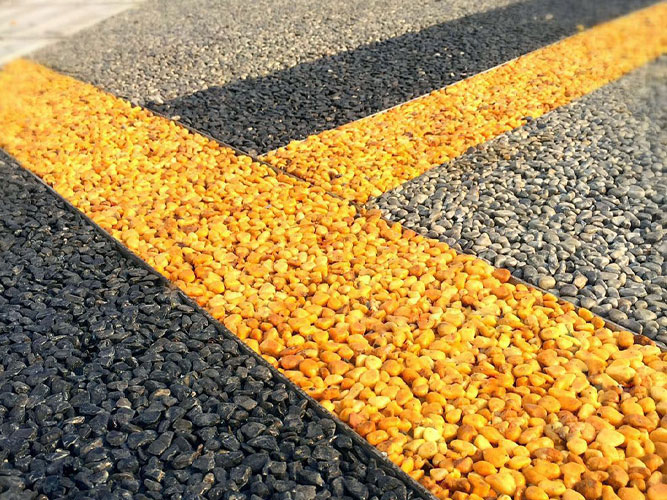
Many colored bicycle lane systems also incorporate anti-slip technology. This is especially important because cyclists are more vulnerable to surface conditions than vehicles.
Typical features include:
Textured aggregates for skid resistance
Improved grip in wet weather conditions
Reduced slipping during braking or turning
Safer riding on ramps and curves
This combination of color and friction improves both visibility and physical safety.
Cities use colored bicycle lanes as part of broader sustainable mobility strategies. A visually clear and safe cycling network encourages more people to choose bicycles instead of cars.
Key urban benefits:
Reduced traffic congestion
Lower carbon emissions
Healthier transportation options
More efficient short-distance travel
Well-designed cycling infrastructure supports long-term environmental and public health goals.
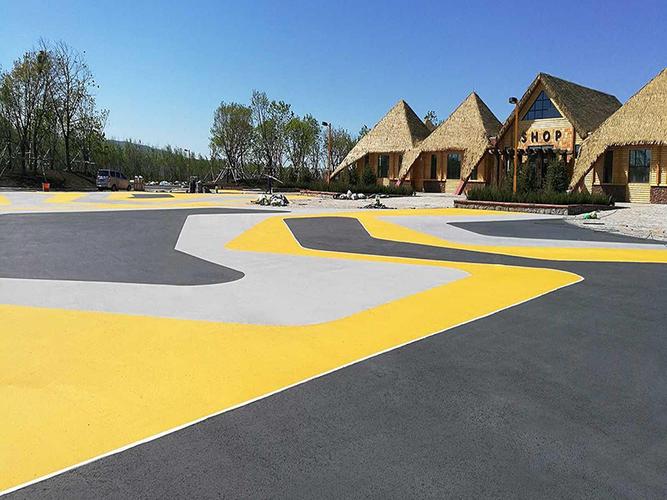
Colored bicycle lanes are often integrated into complete street designs where multiple transport modes share space. Color helps maintain clear boundaries between users.
Common configurations include:
Separated cycle tracks along main roads
Shared bus-and-bike corridors
Protected intersections with colored crossings
Dedicated cycling routes through city centers
This improves overall traffic harmony and reduces conflicts.
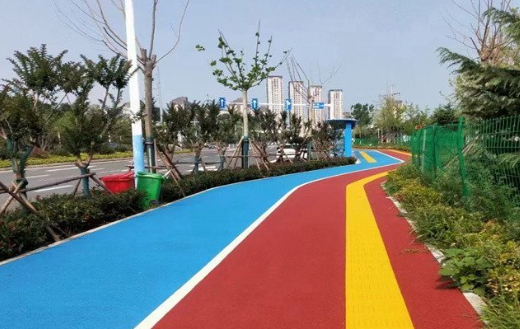
Modern colored bicycle lane systems are designed for long-term performance under constant use and weather exposure.
They resist:
UV fading and discoloration
Rain and moisture damage
Surface wear from continuous cycling
Temperature changes and environmental stress
Many systems also allow fast repair and resurfacing with minimal disruption.
Colored pavement for bicycle lanes plays a vital role in creating safe, visible, and efficient cycling infrastructure. By combining clear visual guidance with high-friction surface performance, it enhances both safety and usability for cyclists.
As cities continue to expand green mobility networks, colored bicycle lanes will remain a key component in building sustainable, people-friendly urban transportation systems.