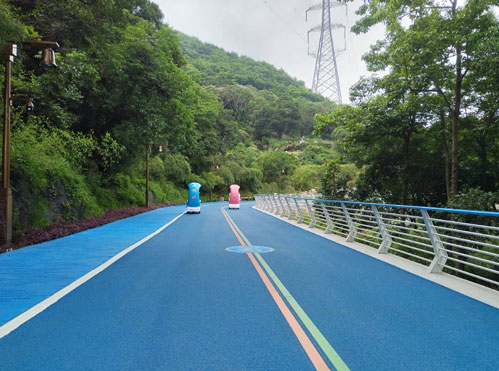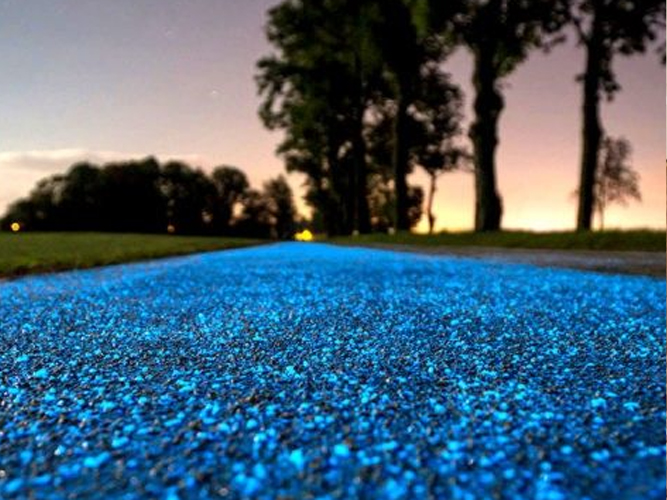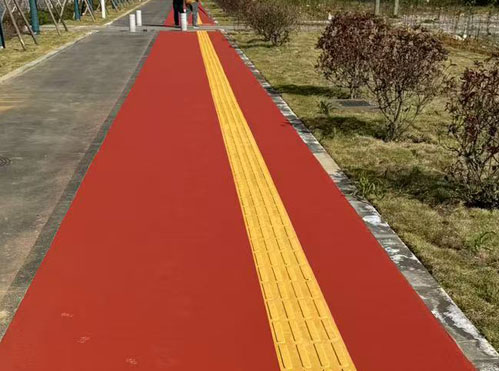
Colored pavement has become an important part of modern urban infrastructure, combining safety, functionality, and aesthetics in a single solution. From bicycle lanes and pedestrian crossings to parks, plazas, and bus lanes, colored pavement helps create more organized, attractive, and user-friendly public spaces. As cities continue to invest in sustainable transportation and smart urban design, the demand for high-quality colored pavement systems continues to grow worldwide.
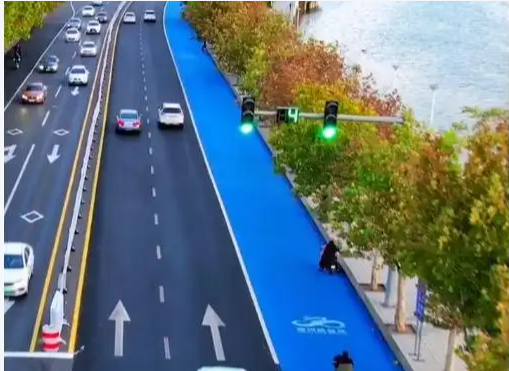
There are several types of colored pavement available for different applications. Colored asphalt is one of the most common options. It is produced by incorporating pigments or colored binders into the asphalt mixture, creating a durable surface with long-lasting color. This type of pavement is widely used for bike lanes, bus lanes, scenic roads, and urban streets. Colored concrete is another popular choice. Pigments are added directly into the concrete mix, resulting in a decorative and highly durable pavement suitable for sidewalks, plazas, and commercial landscapes.
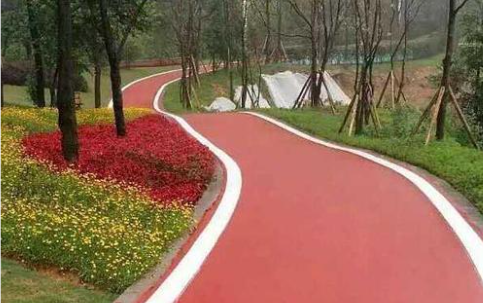
Surface-applied colored coatings provide another effective solution. These systems use resin-based materials such as acrylic, epoxy, polyurethane, or MMA (Methyl Methacrylate) to create a colorful protective layer over existing asphalt or concrete. They are commonly used for pedestrian crossings, parking areas, school zones, and recreational facilities. For locations requiring maximum safety, high-friction colored pavement combines colored resin binders with anti-skid aggregates to improve traction and reduce the risk of accidents. This system is especially suitable for ramps, sharp curves, intersections, and bridge approaches.
The cost of colored pavement varies depending on the material type, installation method, project size, and local labor costs. Surface coatings are generally the most economical option because they can be applied directly over existing pavement. Colored asphalt and colored concrete typically require higher initial investment due to specialized materials and construction processes. High-friction anti-skid systems usually have the highest cost, but they offer superior durability and safety performance in critical traffic areas. Although colored pavement may cost more than traditional black asphalt, its long-term benefits often justify the investment.
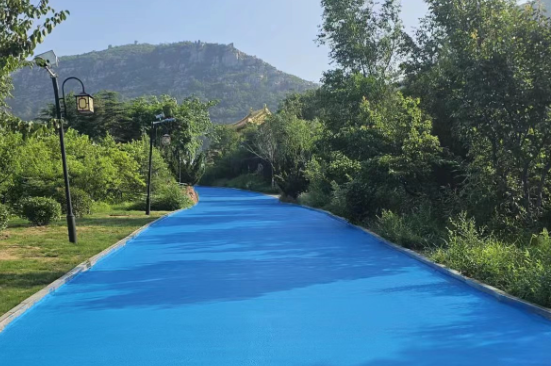
One of the biggest advantages of colored pavement is improved traffic safety. Bright and highly visible surfaces help drivers, cyclists, and pedestrians clearly identify designated traffic zones. This reduces confusion and improves road organization. Colored pavement also enhances the appearance of urban environments, making streets, parks, and public spaces more attractive. In addition, lighter-colored pavements can reflect more sunlight and absorb less heat, helping to mitigate the urban heat island effect.
Modern colored pavement systems are designed for excellent durability, weather resistance, and long service life. With proper installation and maintenance, they can maintain their color and performance for many years. As cities seek safer, more sustainable, and visually appealing infrastructure solutions, colored pavement will continue to play a vital role in future transportation and urban development projects.