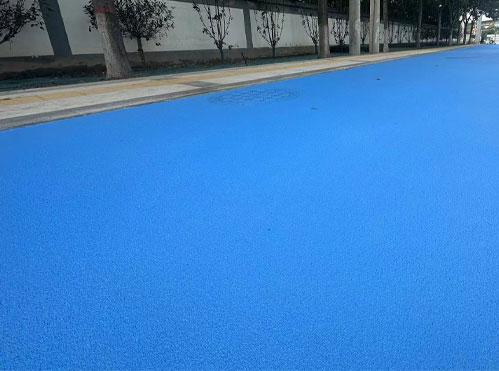
Public infrastructure plays a vital role in supporting safe and efficient transportation networks. As cities continue to grow and modernize, there is an increasing demand for road surface solutions that improve safety, durability, and visual appeal. Colored pavement has emerged as a preferred choice for public infrastructure projects due to its ability to combine functionality with aesthetics.
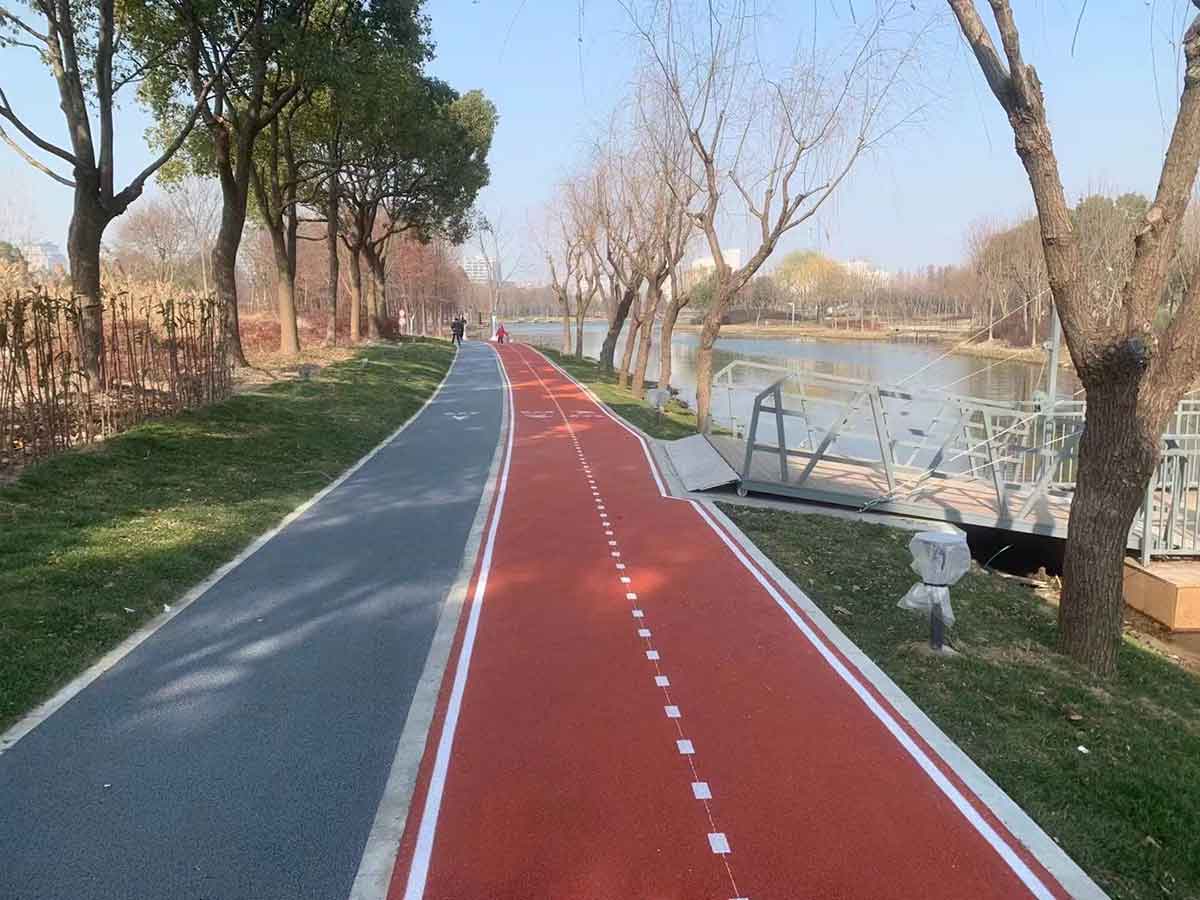
One of the key advantages of colored pavement is enhanced traffic safety. Bright and highly visible colors help drivers, cyclists, and pedestrians quickly identify different traffic zones and road functions. Colored surfaces are commonly used for bicycle lanes, bus lanes, pedestrian crossings, school zones, and traffic-calming areas. The improved visibility helps reduce confusion and contributes to safer road conditions.
Many colored pavement systems also provide excellent anti-slip performance. High-friction aggregates and specialized binders create a textured surface that increases tire grip and reduces braking distances, particularly in wet weather. This makes colored anti-slip pavement an effective solution for intersections, curves, ramps, bridges, and other locations where enhanced traction is essential.
Durability is another reason why colored pavement is widely adopted in public infrastructure projects. Modern colored pavement materials are designed to withstand heavy traffic loads, UV exposure, temperature fluctuations, and harsh environmental conditions. High-quality systems maintain their color and skid resistance over time, reducing the need for frequent repairs and minimizing maintenance costs.
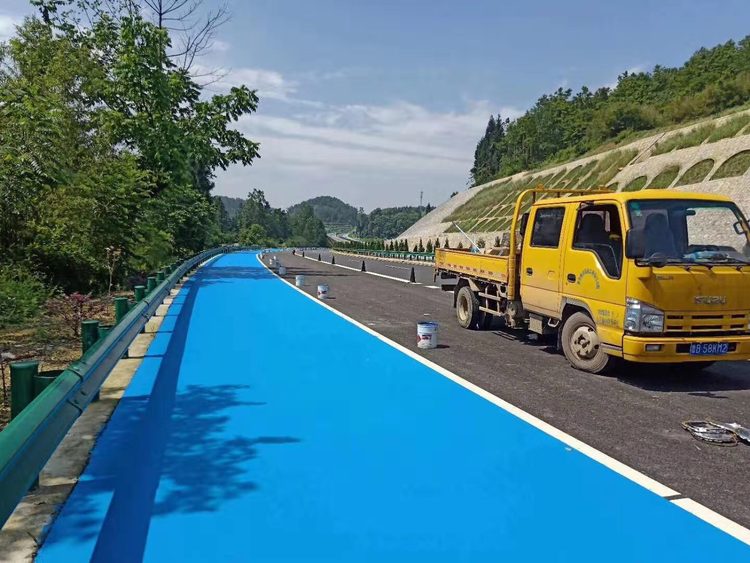
Colored pavement also improves urban organization and traffic management. Different colors can be assigned to specific transportation functions, making it easier for road users to navigate complex urban environments. For example, red pavement may indicate bus lanes, green pavement may designate bicycle paths, and other colors can highlight pedestrian areas or special traffic zones.
In addition to safety and performance benefits, colored pavement enhances the appearance of public spaces. Attractive road surfaces contribute to urban beautification projects, helping create more welcoming streets, parks, plazas, and recreational areas. Municipalities increasingly use colored pavement to support modern city planning and improve the visual identity of public spaces.
Environmental sustainability is another important advantage. Water-based colored pavement systems and low-VOC materials help reduce environmental impact while maintaining high performance. Many modern solutions are designed to support sustainable infrastructure development and environmentally responsible construction practices.
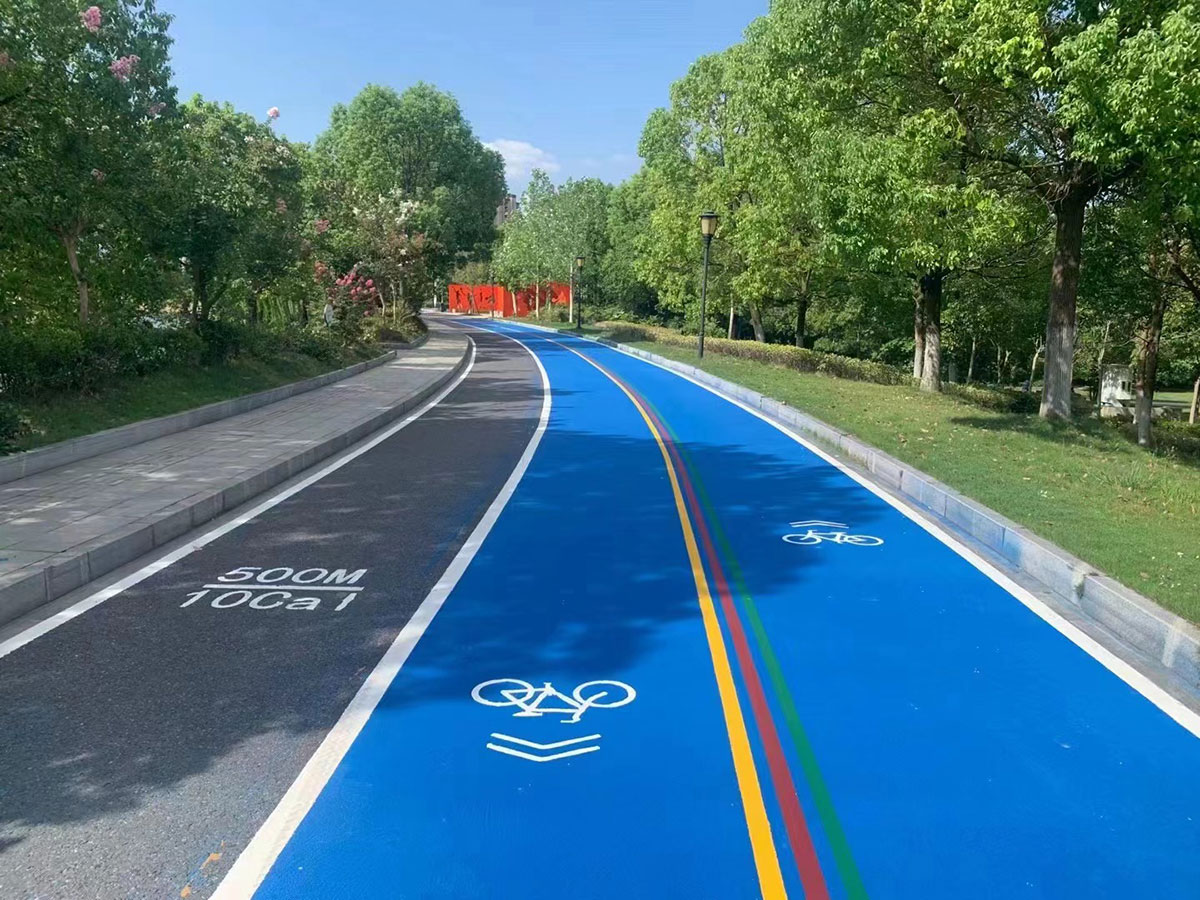
Colored pavement is suitable for a wide range of public infrastructure applications, including highways, urban roads, bicycle lanes, pedestrian walkways, parking areas, transit corridors, bridges, tunnels, parks, and scenic tourist routes. Its versatility allows engineers and city planners to address both safety and design objectives within a single pavement system.
As governments and municipalities continue investing in safer and smarter transportation networks, colored pavement remains an ideal choice for public infrastructure. Its combination of visibility, skid resistance, durability, low maintenance requirements, and aesthetic value makes it a long-term solution for modern urban development.