Urban transportation systems are becoming increasingly complex, requiring road surfaces that not only support heavy traffic but also actively improve safety. High friction colored pavement solutions are designed to meet these demands by combining enhanced skid resistance with clear visual guidance, making them an important part of modern urban infrastructure.
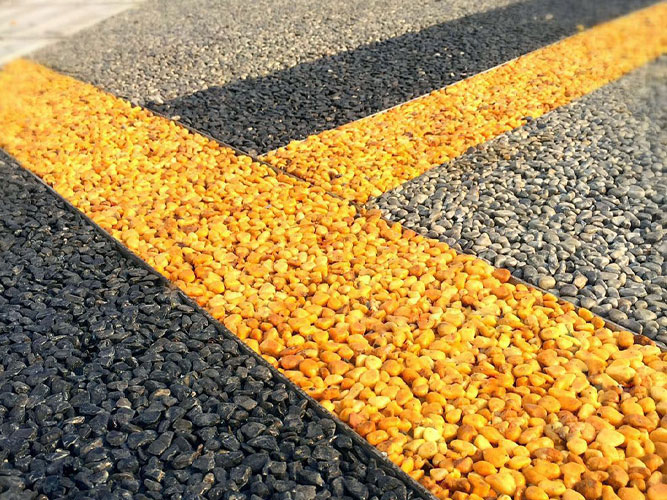
High friction colored pavement is a specialized surface treatment that uses durable binders and high-quality aggregates to create a textured, anti-slip layer. The surface is typically enhanced with colored pigments, allowing it to serve both functional and visual purposes.
Unlike conventional asphalt or concrete, this system is engineered to:
Increase surface friction
Improve road visibility
Provide clear traffic zoning
Enhance safety in critical areas
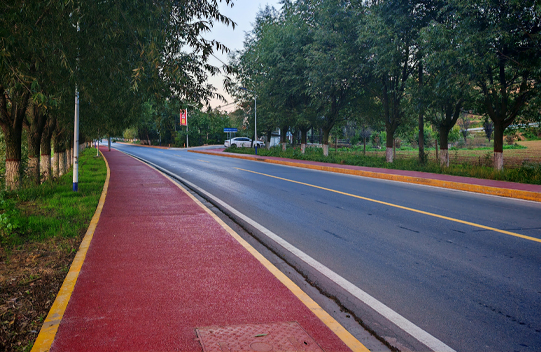
A typical high friction colored pavement system includes:
Polymer or resin binder: Provides strong adhesion and durability
Anti-slip aggregates: Such as ceramic or basalt particles for texture
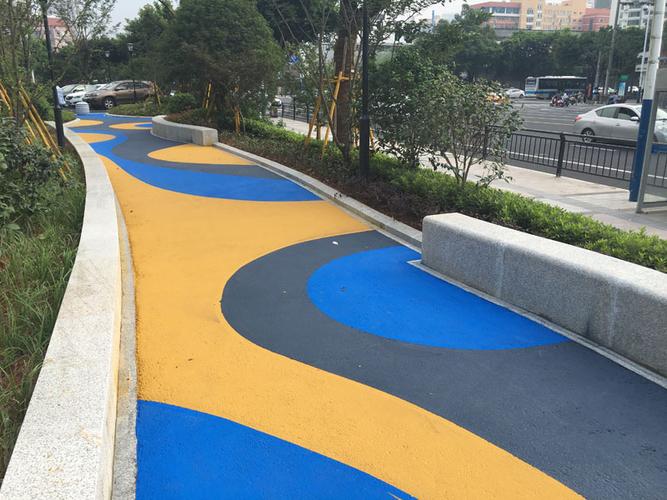
Color pigments: For visual differentiation of road functions
Base layer: Asphalt or concrete substrate
This combination creates a long-lasting, high-performance surface suitable for demanding urban environments.
High friction colored pavement is widely used in areas where safety and guidance are essential, including:
Intersections and traffic conflict zones
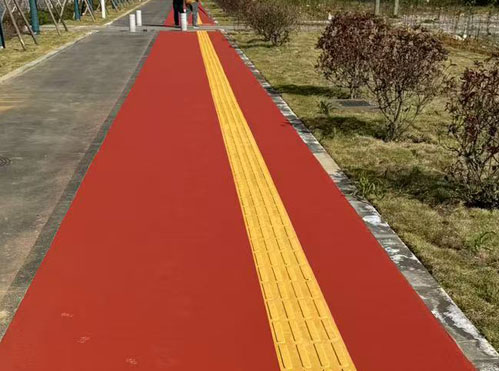
Bicycle lanes and shared mobility corridors
Pedestrian crossings and school zones
Bus lanes and transit priority areas
Bridge decks and ramp surfaces
These applications help organize traffic flow and reduce accident risks.
The textured surface significantly improves tire grip, especially during rain or emergency braking situations, reducing the likelihood of accidents.
Color-coded pavement clearly separates different traffic functions, helping drivers and pedestrians quickly understand road conditions.
By combining friction and visibility, it improves reaction time and reduces conflicts in high-traffic areas.
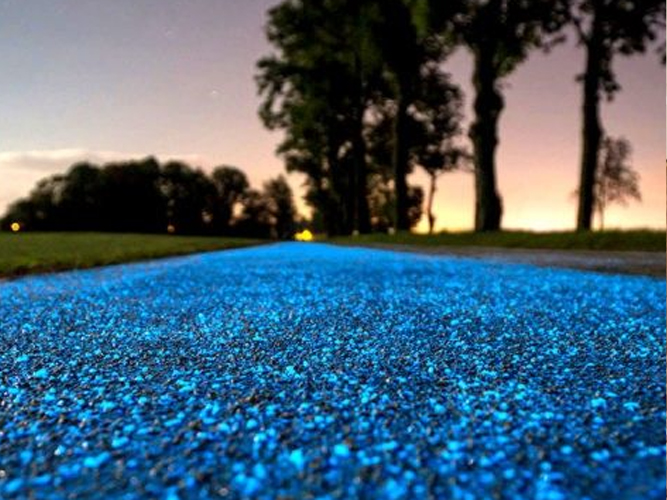
The surface maintains its anti-slip properties even under wet or low-visibility conditions, improving year-round safety.
Clear color zoning helps regulate vehicle and pedestrian movement, improving overall traffic efficiency in cities.
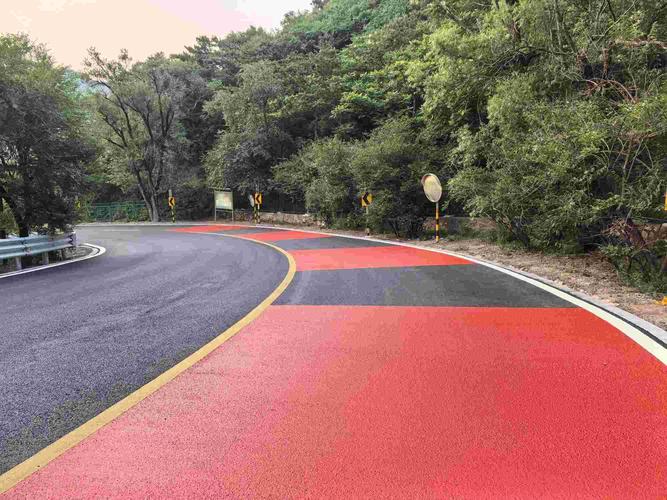
Modern high friction colored pavement systems are designed for long-term performance. They offer:
Strong resistance to wear and heavy traffic
UV stability to prevent fading
Fast curing for reduced road closure time
Low maintenance requirements over time
This makes them a cost-effective solution for urban infrastructure projects.
As cities move toward smarter infrastructure systems, road surfaces are expected to play a more active role in safety management. High friction colored pavement contributes to:
Safer multimodal transportation networks
Improved pedestrian and cyclist protection
More efficient traffic organization
Sustainable urban mobility planning
High friction colored pavement solutions provide a powerful combination of safety, durability, and visual communication. By improving grip and enhancing road clarity, they play a critical role in modern urban infrastructure, helping cities build safer and more efficient transportation systems.