Colored pavement projects are increasingly adopted in modern infrastructure not only for their safety and visual benefits but also for their strong economic advantages. When evaluated over the full lifecycle, colored pavement often proves to be a cost-efficient solution for cities, developers, and transportation authorities.

Although initial installation costs can be higher than traditional asphalt, colored pavement systems are designed for durability. High-performance materials such as MMA resin, epoxy, and ceramic aggregates provide strong resistance to wear, UV exposure, and heavy traffic. This reduces the frequency of repairs and resurfacing, significantly lowering long-term maintenance expenses.
Colored pavement systems typically offer a longer service life compared to conventional surface treatments. Their ability to maintain structural integrity and skid resistance over time means fewer reconstruction cycles, which translates into reduced capital expenditure for infrastructure owners.
Improved visibility and skid resistance help reduce traffic accidents in critical areas such as intersections, pedestrian crossings, and school zones. Fewer accidents can lead to lower costs associated with vehicle damage, emergency response, insurance claims, and public safety management.
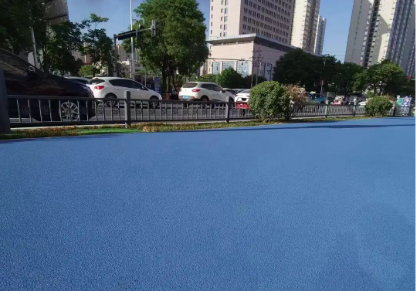
By clearly defining lanes and separating traffic functions, colored pavement helps improve traffic flow and reduce congestion. Better traffic organization can reduce fuel consumption, travel time, and overall transportation inefficiencies, leading to indirect economic savings for cities and road users.
Colored pavement enhances the visual quality of urban environments, including commercial districts, parks, residential areas, and tourism zones. Improved aesthetics can increase the attractiveness of surrounding areas, supporting higher property values and stimulating local economic activity.
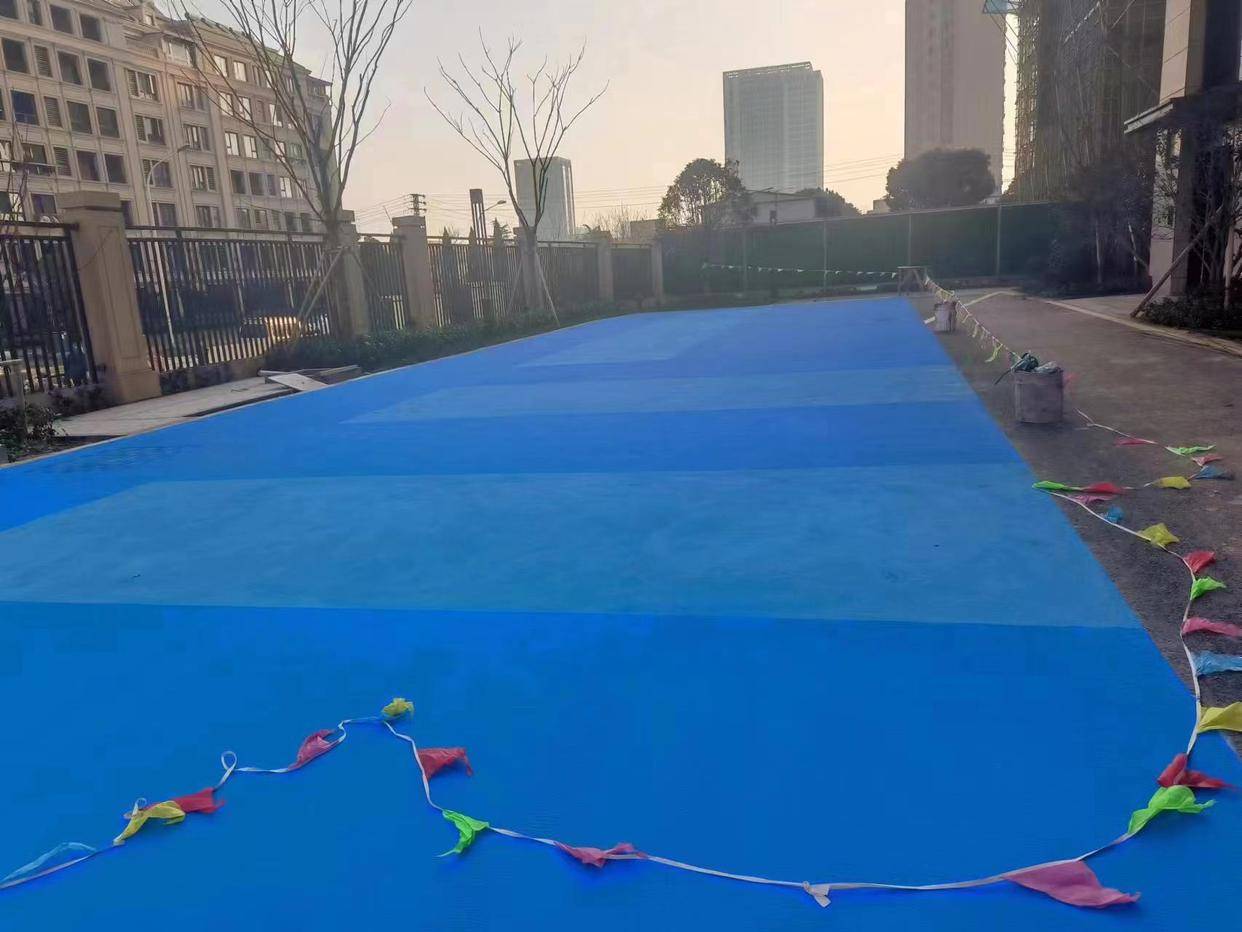
In smart city development projects, colored pavement is a relatively low-cost yet highly effective tool for improving traffic management and urban design. It supports sustainable infrastructure goals without requiring complex technological systems, making it a practical investment.
Colored pavement projects deliver strong economic advantages through reduced maintenance costs, longer service life, improved safety performance, and enhanced urban value. When considering total lifecycle cost rather than just initial investment, colored pavement emerges as a financially sound solution for modern infrastructure development.