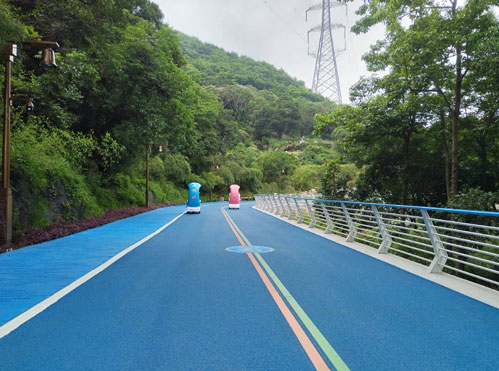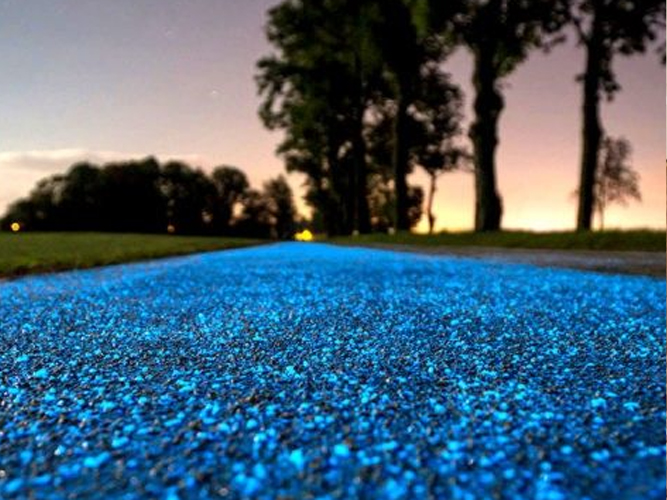
Colored pavement systems are widely used in urban roads, bike lanes, pedestrian crossings, parking areas, and smart city infrastructure. To maintain their color brightness, skid resistance, and long service life, proper maintenance is essential. Without regular care, even high-performance systems such as MMA, epoxy, or polymer-modified coatings can gradually lose performance due to traffic wear, UV exposure, and environmental contamination.
This guide explains how to properly maintain colored pavement to ensure long-term durability and safety.
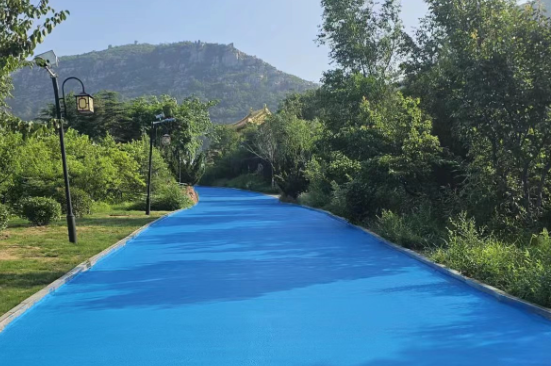
Routine cleaning is the most important step in maintaining colored pavement.
Recommended practices include:
Removing dust, sand, and debris regularly
Washing surfaces with low-pressure water
Cleaning oil or fuel stains promptly
Preventing buildup of dirt in textured surfaces
Keeping the surface clean helps preserve skid resistance and color visibility.
Parking lots, intersections, and loading areas are prone to oil and chemical spills, which can damage the pavement surface.
Best practices:
Clean spills immediately using absorbent materials
Use mild detergents for stubborn stains
Avoid harsh solvents that may damage resin binders
Inspect high-risk zones regularly
If left untreated, oil can reduce friction and create slippery conditions.
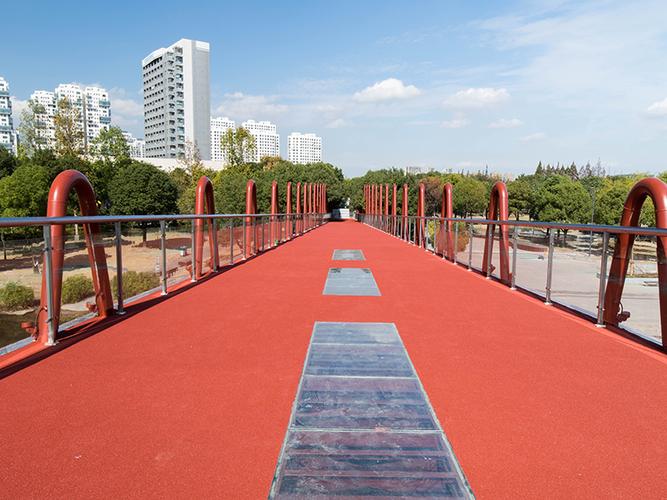
Colored pavement is exposed to sunlight, which can cause fading over time.
To maintain color quality:
Use UV-resistant coatings or sealers when needed
Choose high-quality pigments during installation
Reapply protective layers in high-exposure areas
Avoid prolonged accumulation of dust that dulls color
Proper UV protection helps maintain bright and visible traffic markings.
Regular inspections help detect early signs of damage before they become serious.
Look for:
Cracks or surface peeling
Loss of aggregates in anti-skid systems
Color fading or uneven wear
Loose or weakened sections
Early repair methods include:
Spot patching
Local resurfacing
Reapplication of topcoat layers
Skid resistance is one of the most important functions of colored pavement, especially in bike lanes and intersections.
Maintenance actions include:
Cleaning clogged aggregates
Reapplying surface texture treatments if needed
Ensuring drainage systems are working properly
Avoiding surface polishing caused by heavy traffic wear
If the surface becomes too smooth, safety performance may decrease.
Water accumulation can reduce pavement performance and accelerate damage.
Maintenance recommendations:
Ensure proper drainage in all paved areas
Remove standing water after heavy rain
Clear blocked drains and edges
Prevent freeze-thaw damage in cold regions
Good drainage helps extend pavement life significantly.
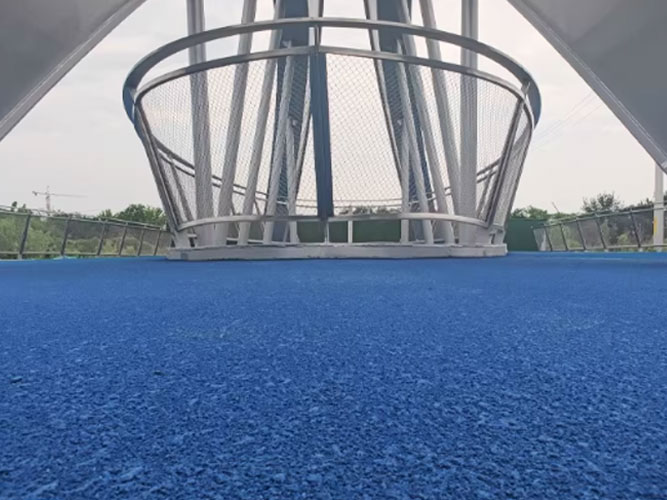
Depending on damage level, different repair methods can be used:
Minor damage: spot repair or sealing
Moderate wear: partial resurfacing
Severe damage: full re-coating or reapplication
Materials like MMA or polymer slurry systems allow fast repair with minimal traffic disruption.
Heavy traffic can accelerate wear in colored pavement systems.
To reduce damage:
Control heavy vehicle access in sensitive zones
Use reinforced systems in high-load areas
Apply thicker coatings where needed (ramps, intersections)
Design traffic flow to reduce sharp turning stress
A structured maintenance plan improves performance and reduces long-term cost.
Key elements include:
Scheduled inspections (monthly or quarterly)
Annual cleaning and performance evaluation
Periodic re-sealing or re-coating
Lifecycle cost planning
Proper maintenance of colored pavement ensures long-lasting safety, visibility, and performance. Regular cleaning, timely repairs, skid resistance preservation, and UV protection are essential for maintaining high-quality surface conditions. With a well-planned maintenance strategy, colored pavement systems can provide durable, safe, and visually effective performance for many years in modern urban environments.