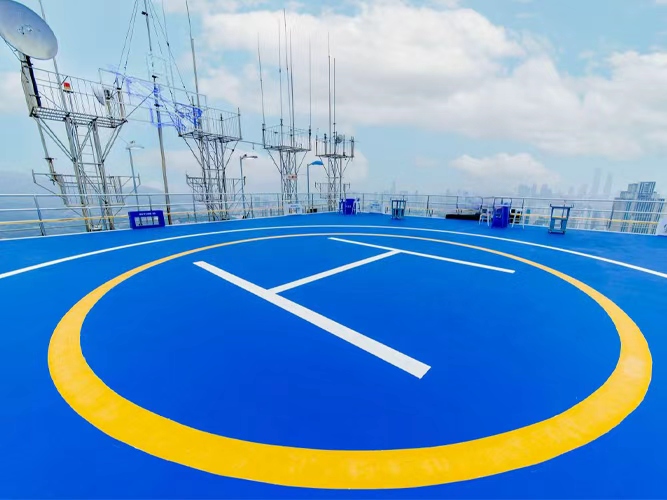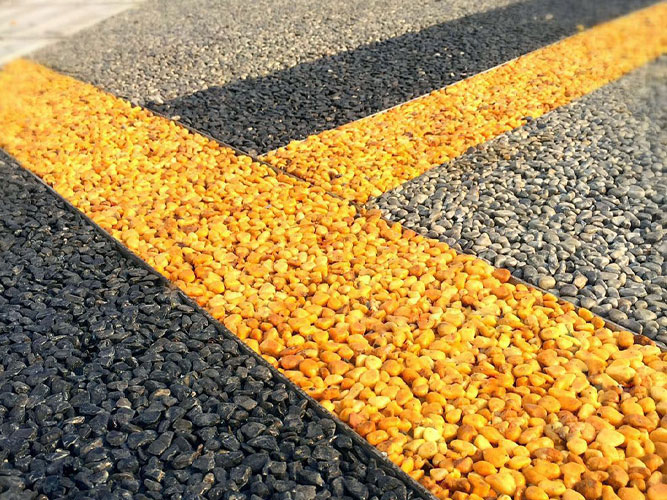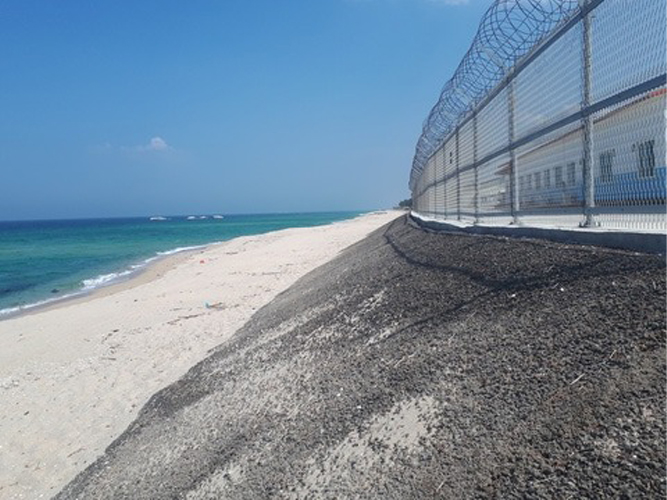
Colored polymer slurry is a thin-layer pavement surfacing system designed to improve road safety, surface durability, and visual guidance. It is made by combining polymer-modified emulsions with fine aggregates, mineral fillers, and pigments to form a continuous colored layer over existing asphalt or concrete surfaces. It is widely used in urban roads, bicycle lanes, pedestrian crossings, parking areas, and traffic calming zones where both visibility and skid resistance are important.
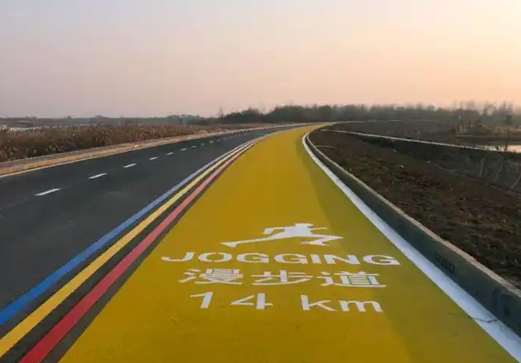
Colored polymer slurry is a cold-applied surface treatment that spreads like a slurry mixture and cures into a durable colored coating. It typically includes polymer emulsion or resin, fine aggregates, mineral fillers, pigments, water, and stabilizers. After curing, it forms a thin but strong textured surface that improves both safety and appearance.
The micro-textured surface increases friction between tires and pavement, helping reduce skidding, improve braking performance, and maintain control in wet conditions.
Color coding helps define traffic zones clearly. Red is often used for warning areas, green for bicycle lanes, and other colors for guidance or special markings, allowing drivers and pedestrians to recognize road functions quickly.
The slurry structure helps reduce water film buildup and maintains surface grip during rain, lowering the risk of hydroplaning and loss of control.
It seals small cracks, reduces water penetration, and slows down asphalt aging, helping prevent surface damage that could create safety hazards.
Clear colored surfaces help separate lanes and guide traffic flow, reducing confusion and improving driver reaction time in complex road environments.
It increases surface traction for walking and cycling while clearly marking dedicated zones, improving protection for vulnerable road users.
Colored polymer slurry is cost-effective compared to full resurfacing, fast to construct with minimal traffic disruption, environmentally friendly with low VOC options, and flexible enough for use on both asphalt and concrete surfaces.
It is commonly used in urban streets, bicycle lanes, pedestrian crossings, parking lots, residential communities, parks, school zones, and bus lanes.
Colored polymer slurry is an effective pavement solution that enhances road safety through improved skid resistance, better visibility, and surface protection. Its ability to upgrade existing roads quickly and economically makes it a valuable material for modern urban traffic management.