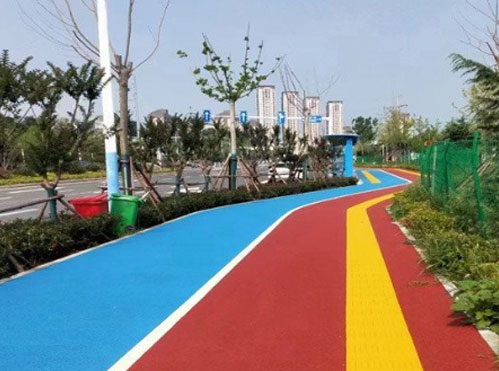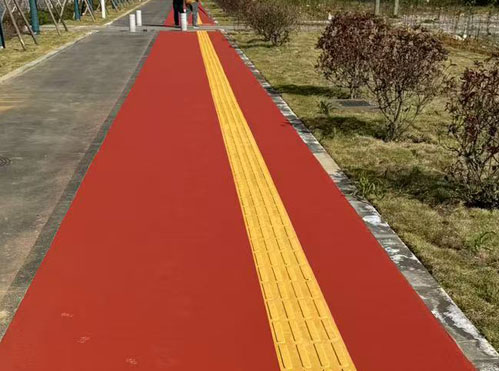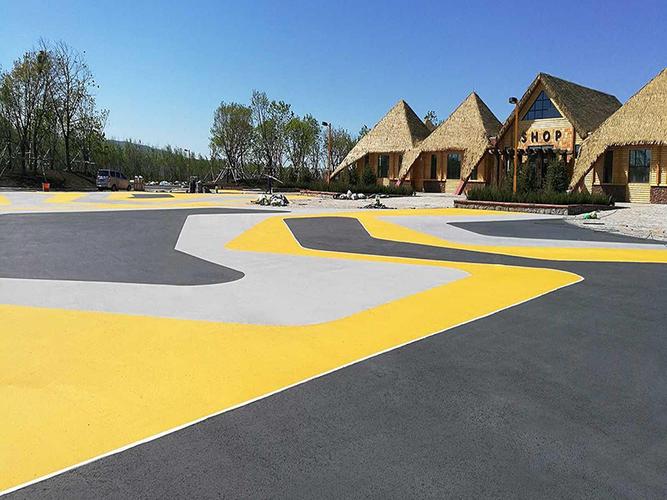
Colored asphalt pavement is widely used to improve traffic safety, enhance urban aesthetics, and clearly define different transportation zones. Choosing the right color depends on the pavement's function, visibility requirements, and surrounding environment.
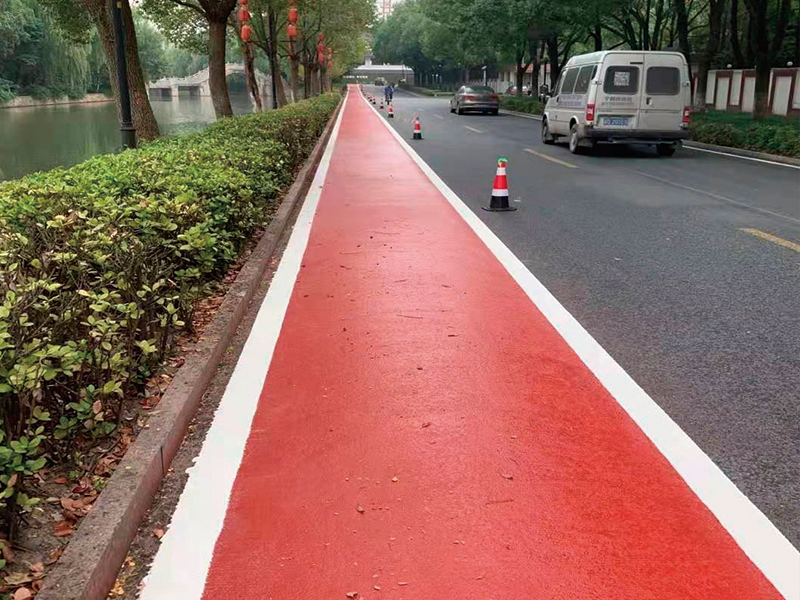
Red is one of the most popular colors for asphalt pavement. It is commonly used for bicycle lanes, bus lanes, pedestrian crossings, and traffic-calming zones. The bright appearance attracts attention and helps drivers quickly identify special-use areas. Red pavement also creates a strong visual contrast with traditional black asphalt.
Green asphalt is frequently used for bike paths, parks, recreational trails, and environmentally themed projects. It blends naturally with landscaping while maintaining clear lane separation. Many cities use green pavement to promote sustainable transportation and improve the visibility of cycling infrastructure.
Blue pavement is often selected for pedestrian zones, waterfront areas, public plazas, and special parking spaces. It creates a clean and modern appearance while helping distinguish specific traffic areas. In some regions, blue is also used to identify accessible parking zones.
Yellow provides excellent visibility and is commonly applied in caution zones, school areas, intersections, and traffic guidance systems. Its bright color enhances driver awareness and improves safety in areas that require extra attention.
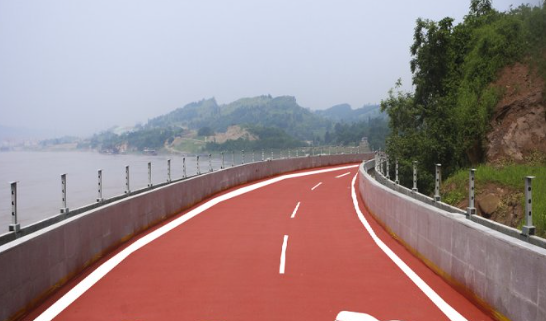
Gray-colored asphalt offers a natural stone-like appearance and is frequently used in residential communities, commercial developments, and urban landscapes. It provides a more decorative look while maintaining the durability of asphalt pavement.
Brown pavement is often used in scenic roads, parks, historical districts, and nature reserves. It integrates well with natural surroundings and creates a warm, aesthetically pleasing environment.

The best color depends on the project's goals:
Red for maximum visibility and traffic safety.
Green for bicycle lanes and environmentally focused projects.
Blue for public spaces and designated parking areas.
Yellow for warning zones and traffic control.
Gray for modern urban developments.
Brown for scenic and landscape-oriented applications.
Modern colored asphalt systems can be customized to meet specific design and safety requirements. By selecting the appropriate color, cities and contractors can create safer, more organized, and visually appealing road environments while improving the overall user experience.