Colored micro surfacing is an advanced pavement maintenance technology that combines road preservation, traffic safety, and decorative surface enhancement in one solution. By using emulsified asphalt, polymers, pigments, mineral fillers, and graded aggregates, colored micro surfacing creates a durable and skid-resistant road layer suitable for modern urban infrastructure.
As cities continue to seek cost-effective and sustainable road maintenance methods, colored micro surfacing has become increasingly popular for bicycle lanes, bus lanes, intersections, pedestrian areas, and urban streets.
Colored micro surfacing is a thin cold-mix pavement treatment applied directly to existing asphalt surfaces. Unlike traditional black micro surfacing, this system incorporates colored pigments or colored aggregates to improve road visibility and traffic guidance while extending pavement service life.
The technology combines pavement preservation with decorative and functional road surfacing, making it an ideal solution for both municipal and transportation engineering projects.
One of the biggest advantages of colored micro surfacing is its low construction and maintenance cost. The system restores pavement performance without requiring complete road reconstruction, helping reduce material consumption, labor costs, and traffic disruption.
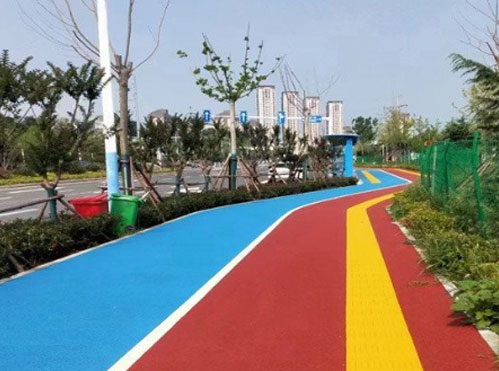
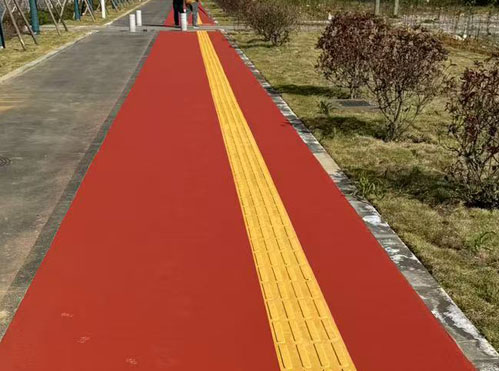
Colored micro surfacing enhances road visibility and improves traffic organization. Different colors can be used to distinguish bicycle lanes, bus lanes, pedestrian crossings, and warning zones. In addition, the textured surface provides excellent skid resistance for safer driving conditions.
The micro surfacing layer seals minor cracks, improves surface texture, and protects the existing pavement structure from water damage and oxidation. This helps delay major repairs and extends the overall life of the roadway.
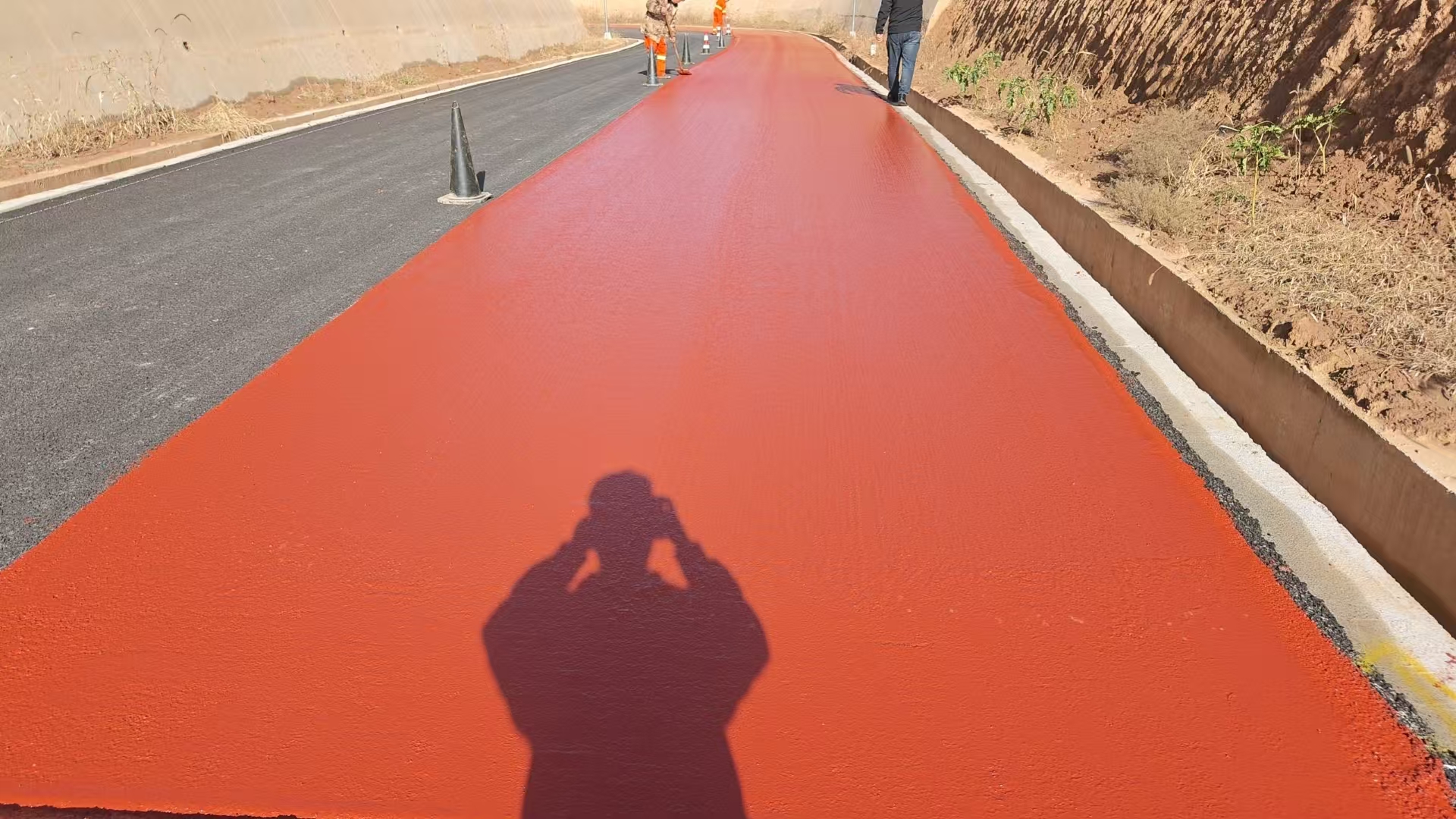
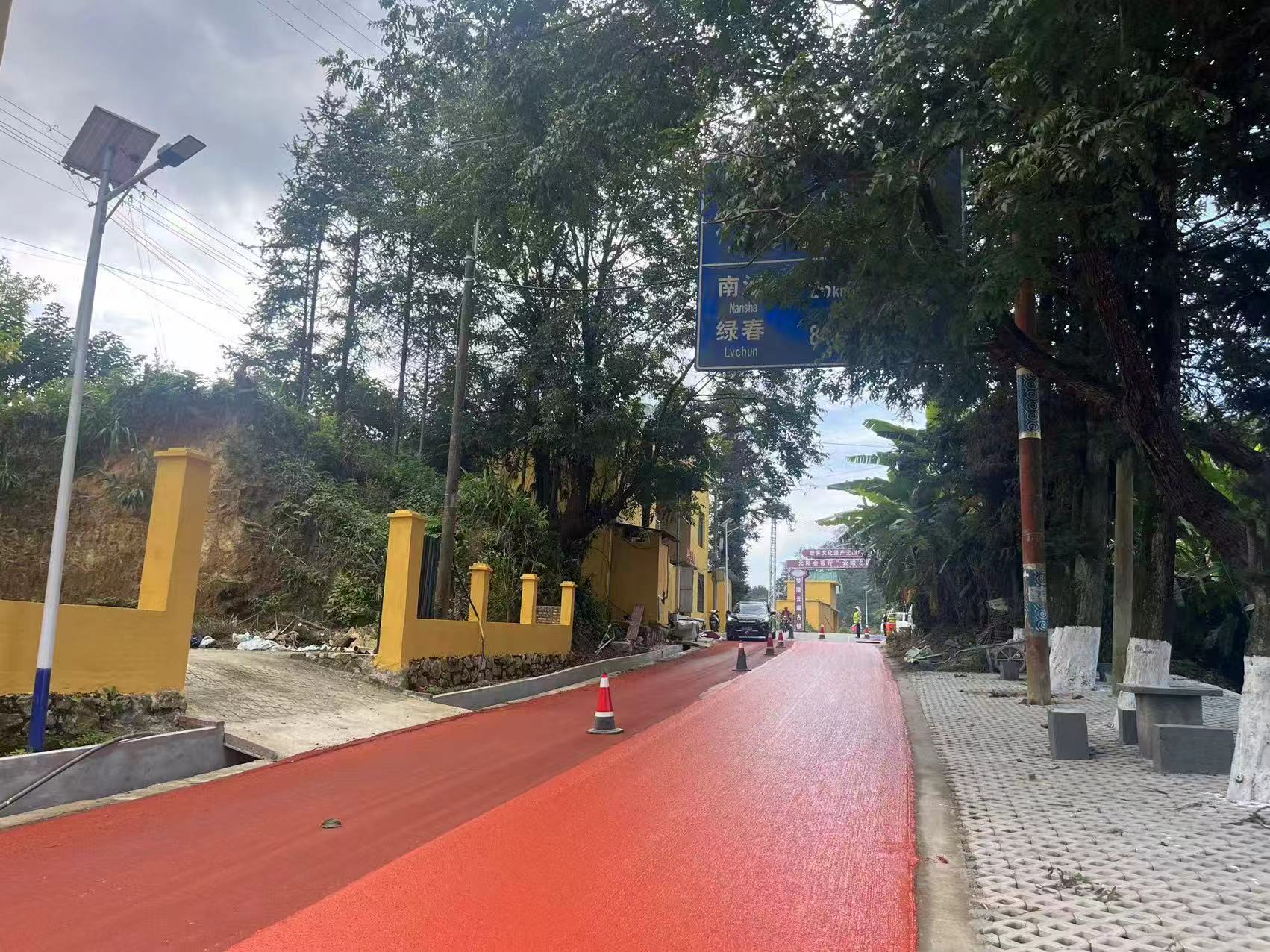
Colored micro surfacing is applied using specialized paving equipment and cures relatively quickly. Roads can often reopen to traffic within a short period, making it suitable for busy urban environments.
As a cold-applied pavement technology, colored micro surfacing reduces energy consumption and carbon emissions compared to traditional hot asphalt paving methods. Water-based emulsified materials also support environmentally sustainable construction practices.
Typical colored micro surfacing systems include:
Polymer-modified emulsified asphalt
Colored pigments or colored aggregates
Mineral fillers
Fine graded aggregates
Additives for improved adhesion and durability
These materials work together to provide strong bonding performance, weather resistance, and long-term color stability.
Colored micro surfacing is widely used in transportation and municipal infrastructure projects, including:
Bicycle lanes
Bus rapid transit lanes
Pedestrian crossings
Urban roads and intersections
Parking lots and ramps
Parks and recreational pathways
School safety zones
Decorative municipal streets
The system is especially effective in areas requiring both pavement preservation and clear traffic guidance.
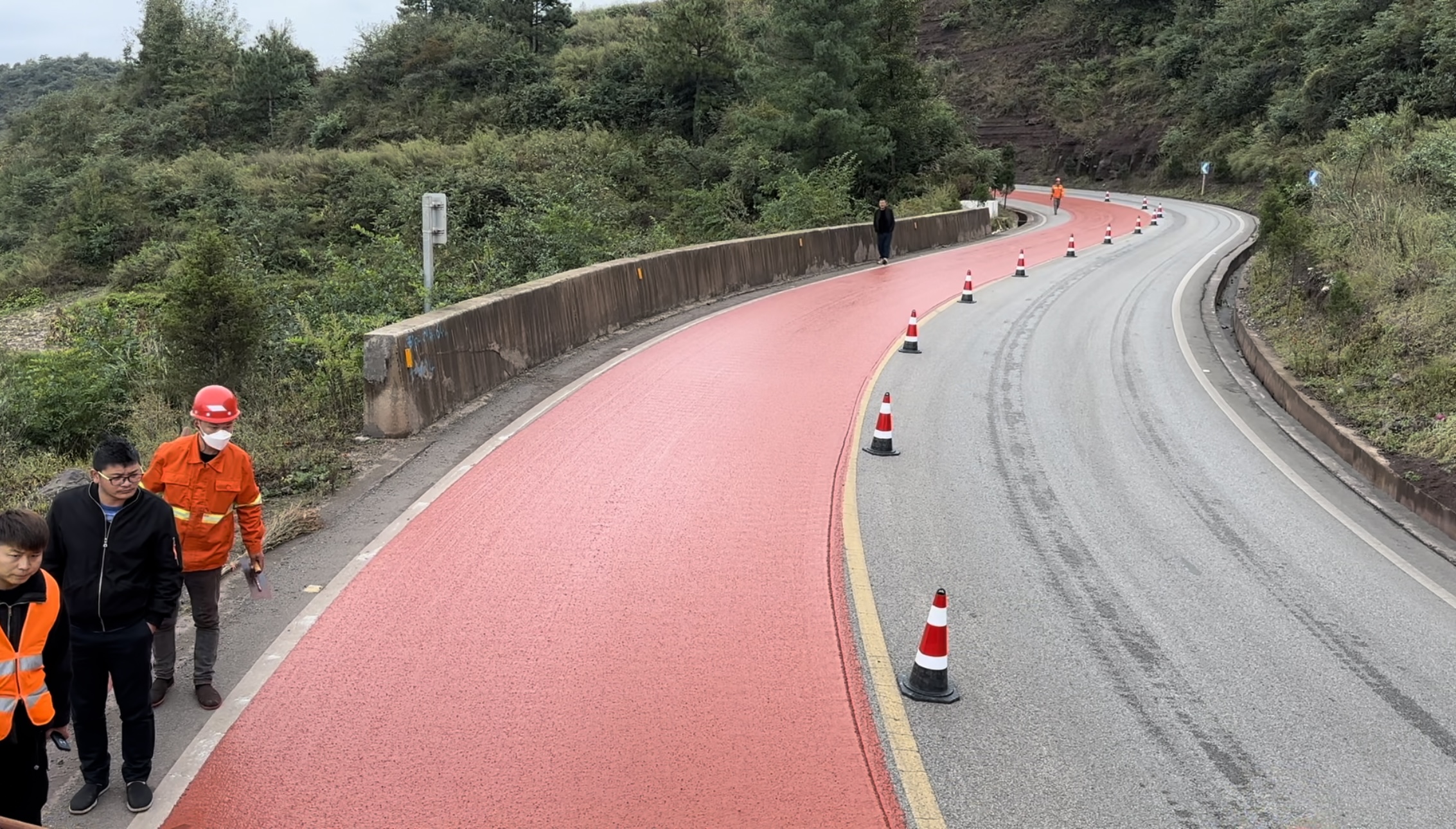
Modern cities require road systems that are safe, durable, visually effective, and economical. Colored micro surfacing meets these requirements by combining preventive maintenance with functional surface design.
Compared with full-depth pavement replacement, colored micro surfacing significantly lowers maintenance costs while improving road performance and appearance. Its rapid construction speed and long-lasting anti-skid properties make it a practical solution for modern transportation infrastructure.
With increasing focus on sustainable infrastructure and smart transportation systems, colored micro surfacing technology continues to evolve. New polymer materials, environmentally friendly binders, and improved pigment technologies are helping create more durable and energy-efficient pavement solutions.
In the future, colored micro surfacing will continue to play an important role in road preservation, urban safety improvement, and modern city development.