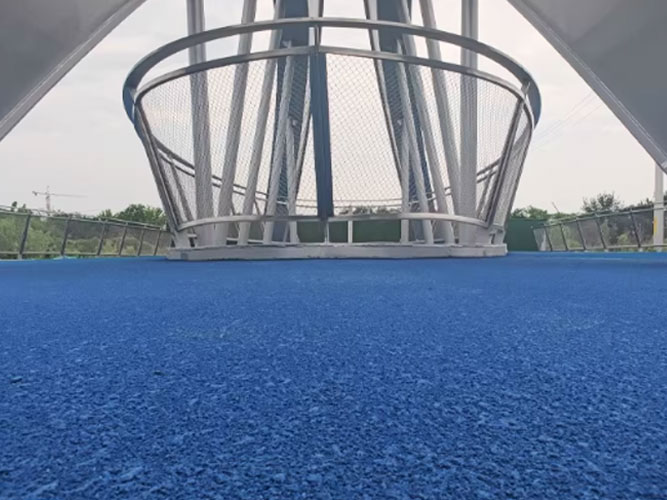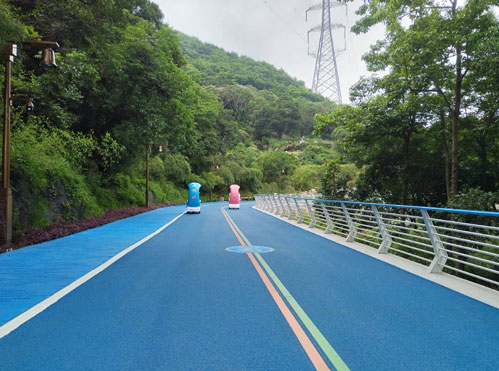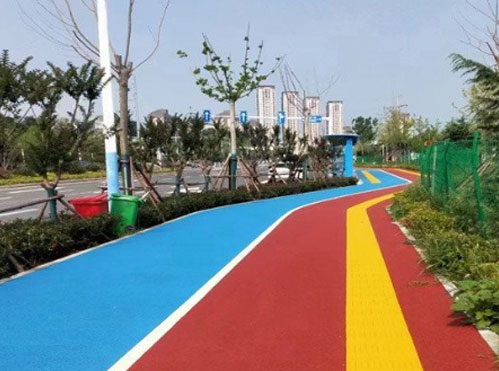
Road safety is a critical concern for transportation authorities, contractors, and urban planners worldwide. One of the most effective solutions for improving pavement safety is the use of anti slip paving ceramic aggregate. Designed to provide exceptional skid resistance and long-term durability, ceramic aggregate has become a preferred material for roads, highways, bicycle lanes, pedestrian crossings, and other high-risk traffic areas. Its unique properties help reduce accidents and enhance the overall performance of pavement surfaces.
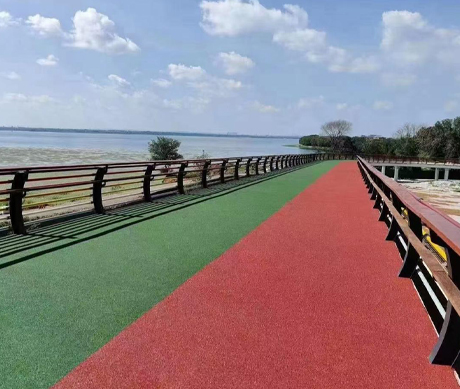
The primary benefit of anti slip paving ceramic aggregate is its superior friction performance. The hard and angular ceramic particles create a rough surface texture that increases tire grip and reduces the risk of skidding. This is especially important during rainy weather when road surfaces become slippery.
Improved skid resistance helps drivers maintain better vehicle control and can significantly reduce braking distances, contributing to safer road conditions.
Anti slip ceramic aggregate is commonly applied in locations where accidents are more likely to occur, including:
Road intersections
Sharp curves
Roundabouts
Steep slopes
Pedestrian crossings
School zones
Bicycle lanes
The high-friction surface helps alert drivers to hazardous areas while improving vehicle stability and control.
Unlike conventional aggregates that may become polished and lose their anti-skid properties over time, ceramic aggregate maintains its rough surface texture even under heavy traffic conditions. Its high hardness and wear resistance allow it to deliver consistent performance for many years.
This durability reduces maintenance requirements and helps lower the overall lifecycle cost of road infrastructure.
Rainwater significantly increases the risk of vehicle skidding and accidents. Anti slip paving ceramic aggregate enhances traction on wet surfaces by maintaining a high coefficient of friction. This improved grip allows vehicles to brake more effectively and navigate safely during adverse weather conditions.
As a result, ceramic aggregate is often used in regions that experience frequent rainfall or challenging weather environments.
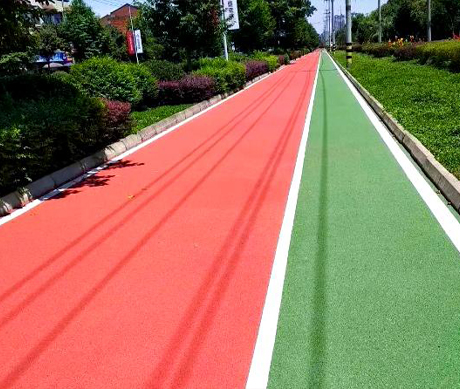
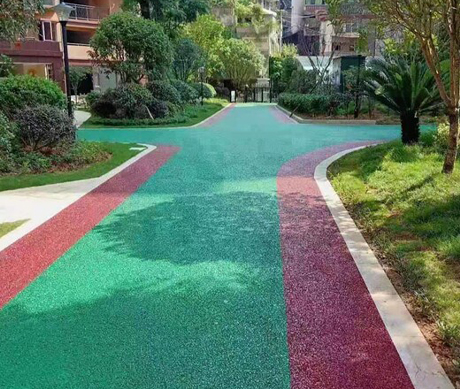
Ceramic aggregates are available in a variety of colors, including red, green, blue, yellow, and brown. Colored anti-slip surfaces improve road visibility and clearly identify specific traffic zones.
Common applications include:
Red bus lanes
Green bicycle lanes
Colored pedestrian crossings
Warning zones at intersections
Decorative urban pavements
Enhanced visual guidance helps drivers and pedestrians recognize designated areas and follow traffic regulations more effectively.
Anti slip paving ceramic aggregate is highly resistant to ultraviolet radiation, temperature fluctuations, moisture, and chemical exposure. It maintains its performance in both hot and cold climates without significant deterioration.
This weather resistance ensures reliable road safety throughout the pavement's service life.
Because ceramic aggregate retains its texture and anti-slip properties for extended periods, roads require fewer repairs and resurfacing projects. Reduced maintenance means less disruption to traffic and lower operational costs for municipalities and road authorities.
The long service life of ceramic aggregate makes it a cost-effective investment for infrastructure projects.
Anti slip ceramic aggregate can be incorporated into a wide range of pavement solutions, including:
Resin-bound anti-skid systems
Colored pavement coatings
High-friction surfacing
Asphalt pavements
Concrete pavements
Bridge deck treatments
Its versatility allows engineers and contractors to meet different safety and design requirements.
The long lifespan of ceramic aggregate reduces the need for frequent material replacement, helping conserve resources and minimize waste. Many modern ceramic aggregates are manufactured using environmentally responsible processes, supporting sustainable infrastructure development.
Anti slip paving ceramic aggregate offers numerous benefits for road safety, including superior skid resistance, enhanced wet-weather performance, long-term durability, improved visibility, and reduced maintenance costs. By providing a reliable high-friction surface, it helps reduce accidents and improve traffic safety in a wide range of applications. As transportation networks continue to expand, ceramic aggregate remains one of the most effective materials for creating safer and more durable road surfaces.