Road safety is a major concern for modern transportation systems. With increasing traffic volume, heavy vehicles, and changing weather conditions, traditional pavement surfaces may experience reduced friction and increased skid risks.

Anti-Skid Pavement Materials provide an effective solution by improving surface grip, enhancing vehicle control, and creating safer road environments. These materials are widely used in highways, urban roads, bicycle lanes, bridges, parking areas, industrial zones, and public spaces.
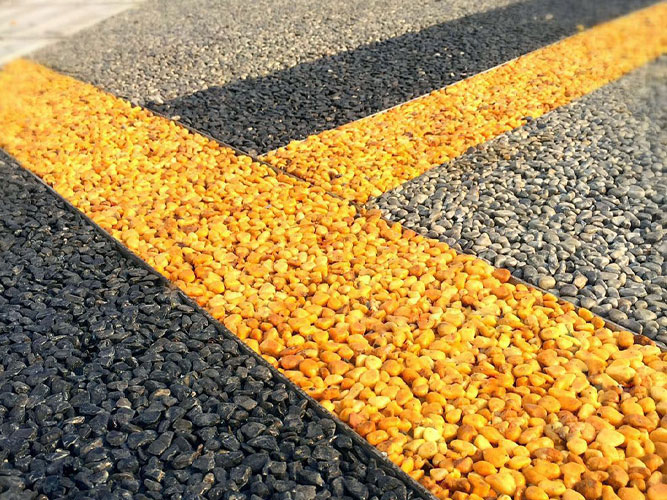
Anti-Skid Pavement Materials are specially designed surfacing products that increase pavement friction and reduce slipping risks. They combine high-performance binders with durable aggregates to create a strong, textured surface layer.
Unlike ordinary pavement coatings, anti-skid materials focus on improving safety performance while also providing decorative and functional benefits.
Common components include:
High-performance polymer binders
Colored ceramic aggregates
Durable anti-slip particles
Special pavement additives
These materials create a rough surface texture that improves tire contact and increases skid resistance.
The primary advantage of anti-skid pavement materials is improved friction performance.
They help vehicles maintain better control during:
Emergency braking
Sharp turns
Wet weather conditions
High-speed driving
This makes them suitable for areas with higher accident risks, such as highway curves, intersections, and pedestrian crossings.
Water can reduce the friction between tires and pavement, increasing braking distance and accident risks.
Anti-skid pavement materials provide reliable traction even in rainy conditions, making them especially suitable for tropical climates and regions with frequent rainfall.
High-quality anti-skid pavement materials are designed to withstand:
Heavy traffic loads
UV exposure
Temperature changes
Water and moisture
Daily surface wear
Their durability helps reduce maintenance costs and extends pavement service life.
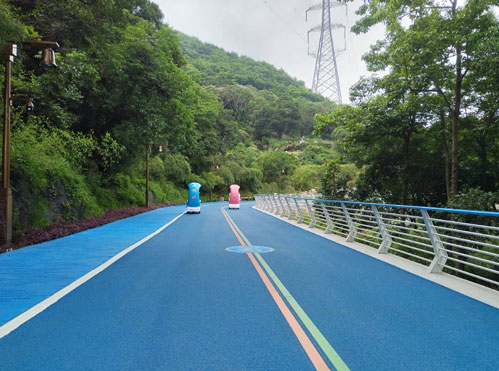
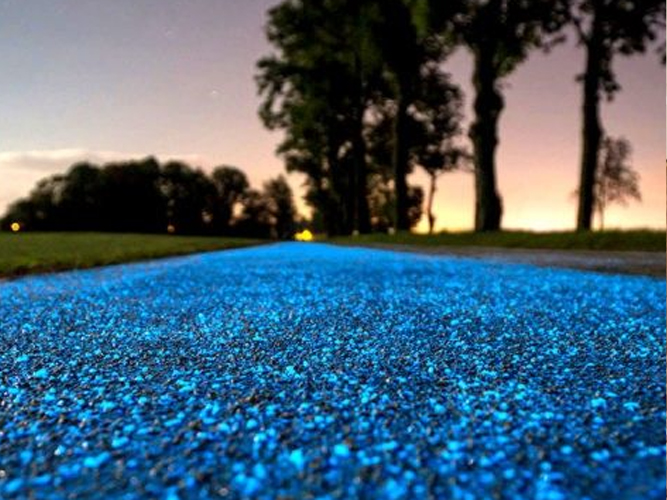
Modern anti-skid pavement materials are available in various colors, allowing roads to become safer and more visually attractive.
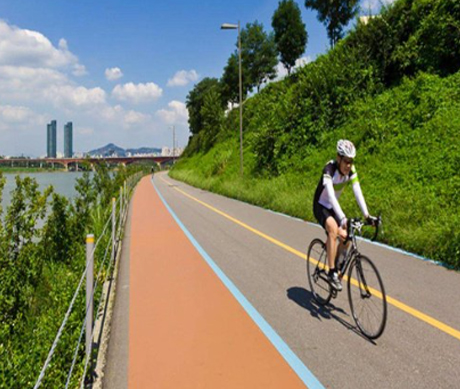
Colored anti-skid pavement can be used for:
Bicycle lanes
Bus lanes
Pedestrian areas
School zones
Parks and scenic pathways
Residential communities
Color identification improves traffic organization and enhances urban appearance.
Anti-skid pavement materials are commonly applied to locations requiring additional friction, including:
Highway curves
Exit ramps
Bridge approaches
Accident-prone road sections
Cities use colored anti-skid pavement systems to improve pedestrian and cyclist safety.
Applications include:
Cycling tracks
Greenways
Public walkways
Smart city road projects
Bridge surfaces are exposed to moisture, temperature changes, and heavy traffic.
Anti-skid materials provide:
Strong adhesion
Increased surface friction
Weather resistance
Improved driving safety
Industrial facilities require durable surfaces that can handle frequent vehicle movement.
Suitable applications include:
Factory entrances
Logistics areas
Parking facilities
Loading zones
Selecting a reliable manufacturer is important for achieving consistent performance.
A professional supplier should provide:
Stable product quality
Customized color solutions
Technical support
Project experience
Export service capability
The correct material selection depends on traffic volume, climate conditions, installation environment, and project requirements.

Compared with traditional pavement coatings, modern anti-skid pavement materials provide a combination of:
✔ High friction performance
✔ Strong adhesion
✔ Weather resistance
✔ Long service life
✔ Improved road visibility
✔ Attractive surface design
They are becoming an essential solution for safer roads and sustainable infrastructure development.
Anti-Skid Pavement Materials play an important role in improving transportation safety and pavement performance. By increasing surface friction and providing durable protection, these materials help reduce skid risks and create safer environments for drivers, cyclists, and pedestrians.
From highways and bridges to urban roads and bicycle lanes, advanced anti-skid pavement solutions provide reliable performance for modern infrastructure projects.