The Secret Behind Safer Roads: Colored Anti-Skid Surfacing Explained
Road safety has always been a major concern for engineers, city planners, and transportation authorities. As traffic volumes increase and urban environments become more complex, traditional asphalt surfaces are no longer sufficient to ensure optimal safety and guidance. This is where colored anti-skid surfacing plays a critical role. It combines high friction performance with strong visual communication, creating safer and more efficient road environments.
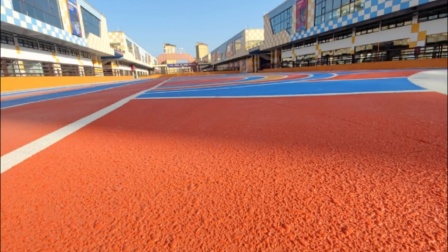
At its core, colored anti-skid surfacing is a specialized road treatment designed to improve both traction and visibility. Unlike conventional asphalt, which is typically dark and uniform, this system introduces durable pigments and high-friction aggregates into the surface layer. The result is a textured, colorful pavement that not only stands out visually but also significantly enhances tire grip under various driving conditions.
One of the key components of this technology is the use of high-friction aggregates such as ceramic particles or crushed mineral materials. These aggregates are embedded in resin-based or water-based binders, forming a rough surface texture that increases friction between tires and the road. This is especially important in wet or high-speed conditions, where traditional surfaces may become slippery and dangerous. By improving skid resistance, colored anti-skid surfacing helps reduce braking distances and lowers the risk of accidents.
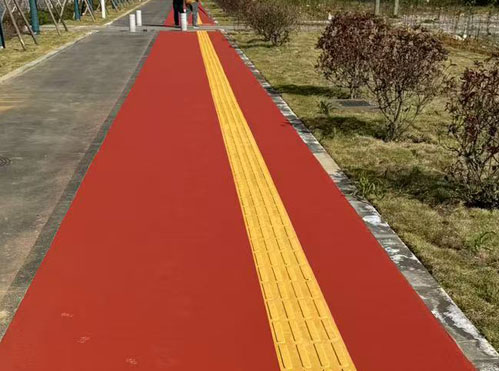
Visual guidance is another major advantage. Colored surfaces clearly define different functional zones on the road, such as bicycle lanes, bus lanes, pedestrian crossings, ramps, and hazard areas. This visual differentiation helps drivers and pedestrians quickly understand road functions without relying solely on signs or markings. In complex intersections or densely populated urban areas, this clarity can significantly reduce confusion and improve traffic flow.
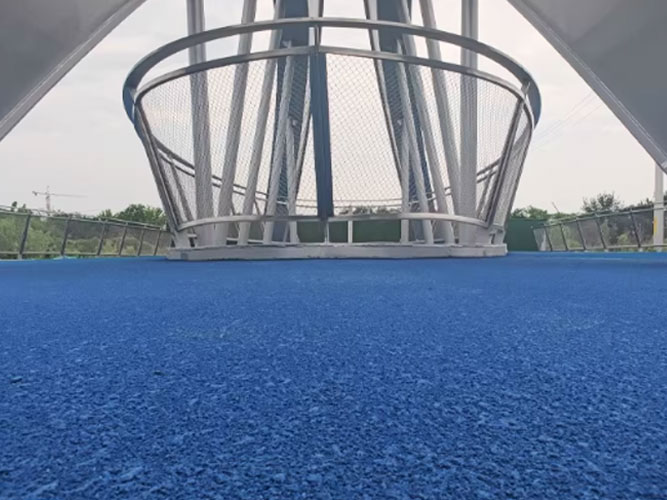
Modern systems such as resin-based colored coatings, color emulsified micro-surfacing, and water-based EAU colored anti-slip pavement systems offer additional performance benefits. These materials are designed for strong adhesion, fast curing, and long-term durability. Engineers appreciate their ability to be applied quickly, minimizing road closure times and reducing disruption to traffic. Once cured, the surface resists wear, UV damage, and environmental stress, ensuring long-lasting performance.
Another important aspect is sustainability. Many modern colored anti-skid systems are developed with low-VOC or water-based formulations, reducing environmental impact during installation. Some also contribute to reducing heat absorption in urban areas compared to traditional dark asphalt, supporting more climate-resilient infrastructure design.
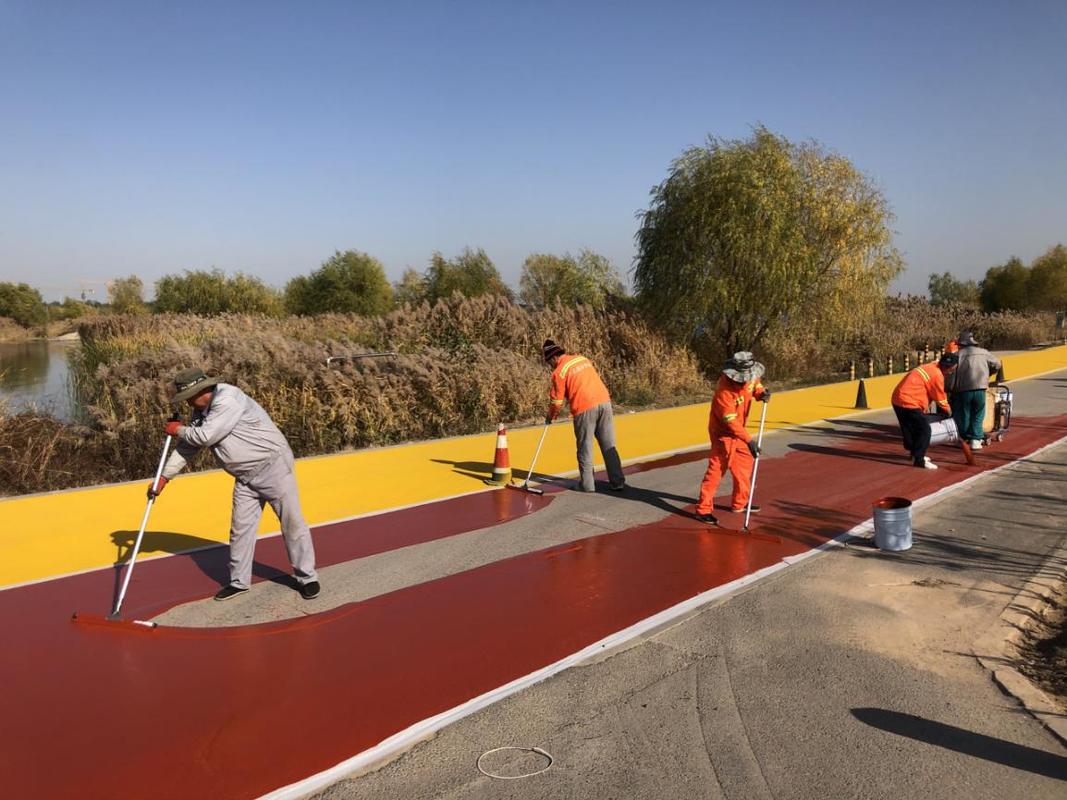
From highways and urban intersections to bridges, tunnels, and pedestrian zones, colored anti-skid surfacing is increasingly being used as a standard safety feature rather than an optional upgrade. Its ability to combine safety, durability, and visual communication makes it highly effective in modern road engineering.
In conclusion, the secret behind safer roads is not just stronger materials, but smarter surface design. Colored anti-skid surfacing transforms ordinary roads into high-performance safety systems that actively guide traffic, improve grip, and reduce accidents. As cities continue to grow and transportation demands increase, this technology will remain a key solution in building safer and more intelligent road networks worldwide.