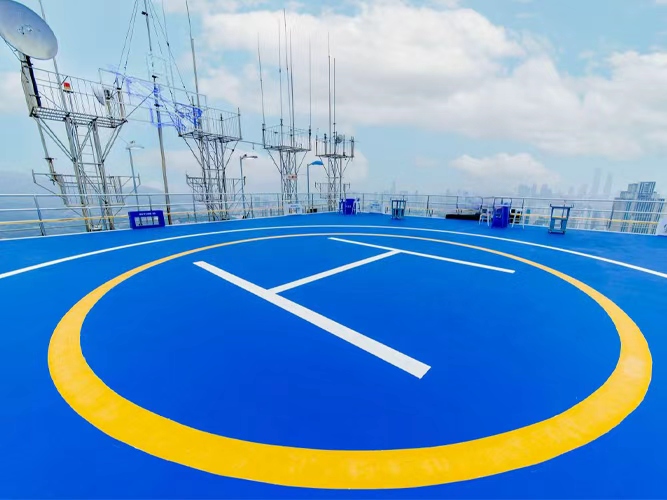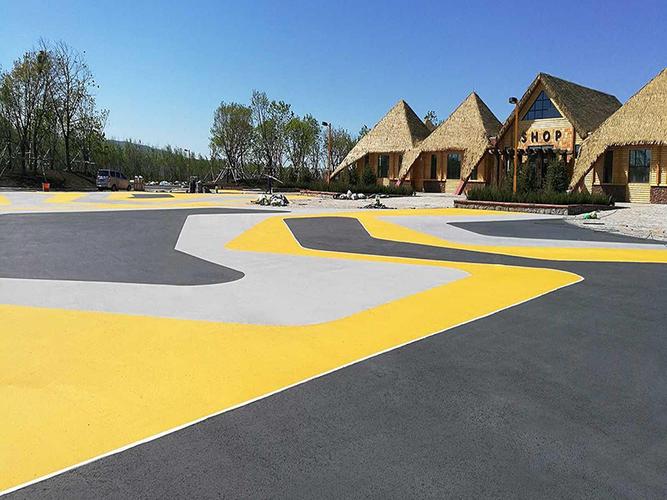
Colored anti-slip pavement is a high-performance surfacing system designed to improve safety, durability, and traffic organization in areas with heavy vehicle and pedestrian flow. It is widely used in highways, intersections, bus corridors, bridges, parking facilities, and urban centers where continuous traffic demands strong surface performance and clear visual guidance.
These systems typically combine resin binders (MMA, epoxy, or polyurethane), high-friction aggregates, and UV-resistant pigments to create a durable, textured, and color-coded surface layer.
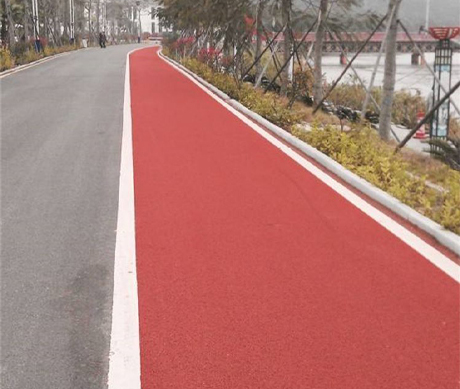
In high traffic areas, road surfaces are constantly exposed to braking, acceleration, turning, and friction wear. Colored anti-slip pavement is engineered to maintain strong grip even under these demanding conditions.
Key safety benefits include:
Reduced braking distance in busy traffic
Improved tire traction in wet or oily conditions
Enhanced stability at intersections and ramps
Lower risk of skidding in congestion zones
The use of high-friction aggregates such as calcined bauxite or ceramic particles ensures long-term surface roughness and grip.
High traffic environments often include complex driving conditions. Colored anti-slip pavement helps highlight and protect these high-risk areas.
Common applications include:
Intersections and junctions
Highway ramps and merge lanes
Pedestrian crossings and crosswalks
Bus stops and transit corridors
Bridge decks and tunnel entrances
The combination of color visibility and anti-slip texture improves driver awareness and reduces collision risks.
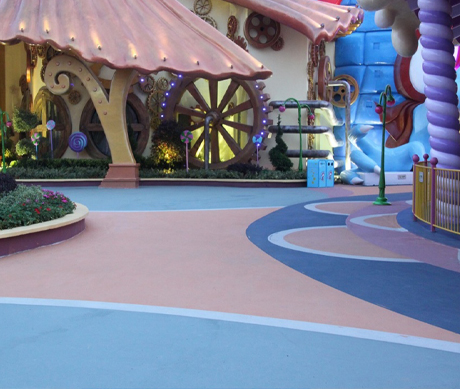
Color plays an important role in organizing traffic flow. Colored pavement systems use bright, durable pigments to clearly define different functional zones.
Typical color applications include:
Red for warning or conflict zones
Green for bicycle lanes
Yellow for caution areas and transitions
Blue for special-use or controlled zones
This visual structure helps drivers and pedestrians quickly understand road functions, improving decision-making in high-pressure environments.
High traffic areas require pavement systems that can withstand continuous stress from vehicles of all sizes. Colored anti-slip pavement is designed for long-term performance.
It offers:
Strong adhesion to asphalt and concrete
Resistance to cracking and peeling
High wear resistance under heavy loads
UV stability and color retention
These properties ensure consistent performance even in demanding urban and highway environments.
Weather conditions such as rain, heat, and temperature fluctuations can significantly affect road safety. Colored anti-slip pavement maintains stability across different environments.
Benefits include:
Reliable friction in wet conditions
Resistance to heat softening or brittleness
Stable performance in freezing and thawing cycles
Reduced hydroplaning risk due to textured surface
Modern systems, especially MMA-based coatings, allow rapid installation and curing. This is essential for high traffic areas where long closures are not practical.
Advantages include:
Quick return to service
Night-time construction capability
Minimal disruption to daily traffic flow
Efficient maintenance and upgrade cycles
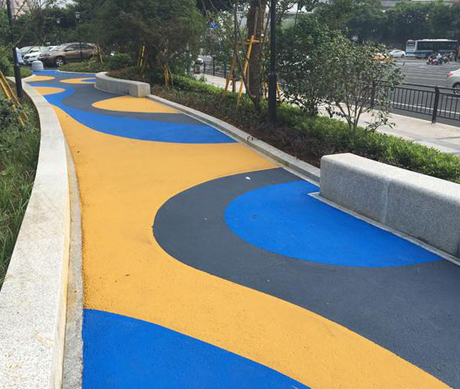
Although high-performance systems may have higher initial costs, they significantly reduce long-term expenses by:
Extending pavement lifespan
Reducing accident-related costs
Lowering maintenance frequency
Minimizing reconstruction needs
Colored anti-slip pavement is a critical solution for high traffic areas where safety, durability, and traffic efficiency are essential. By combining high friction performance, strong color visibility, and long-lasting structural stability, it helps reduce accidents and improve traffic flow in some of the most demanding transportation environments. As cities continue to expand and traffic volumes increase, these systems play an increasingly important role in modern infrastructure development.