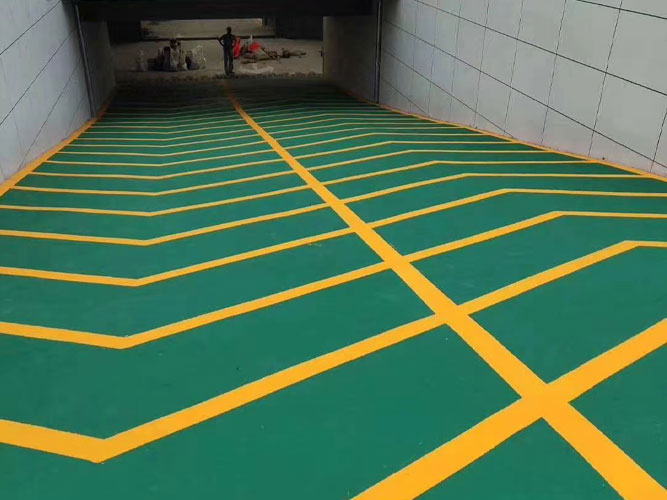
Creating safe and inclusive public spaces is an essential goal of modern urban design. Cast-in-place tactile pavement systems are widely recognized as an effective accessibility solution, helping individuals who are blind or visually impaired navigate public environments with greater confidence and independence. By providing detectable warning surfaces and directional guidance, these systems enhance pedestrian safety while supporting compliance with accessibility standards and regulations.
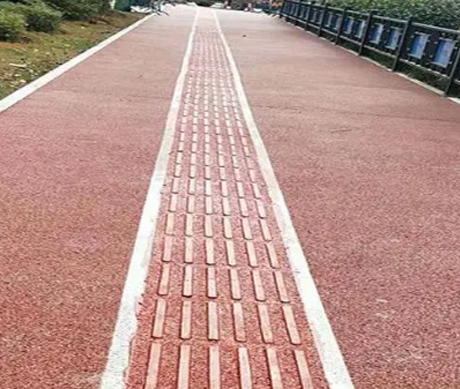
Cast-in-place tactile pavement systems are specially designed tactile indicators installed directly into freshly poured concrete surfaces. They feature raised patterns, such as truncated domes or directional bars, that can be detected underfoot or with a mobility cane.
Because they are integrated into the concrete during construction, cast-in-place systems become a permanent part of the pavement structure, offering exceptional durability and long-term performance.
Tactile pavement systems play a vital role in creating accessible environments by providing important navigational information to pedestrians.
They help users:
Identify potential hazards
Detect street crossings
Locate transit platforms
Follow designated pathways
Navigate public facilities safely
Increase independent mobility
These tactile cues improve accessibility while promoting equal access to public infrastructure.
Cast-in-place tactile indicators are commonly installed in areas where pedestrian awareness is essential.
Detectable warning surfaces alert visually impaired pedestrians when they are approaching roadways and crossing points.
Tactile paving helps identify platform edges and boarding areas in bus terminals, railway stations, and transit hubs.
Accessibility pathways guide visitors through entrances, exits, and key pedestrian routes.
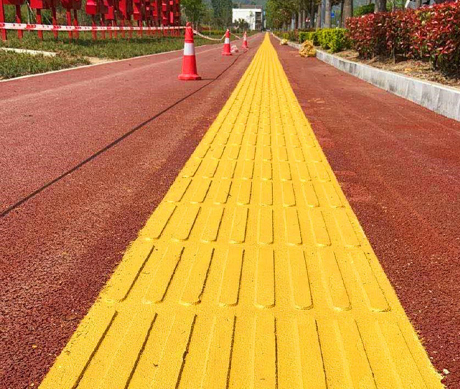
Tactile indicators assist in identifying accessible pathways between parking spaces and building entrances.
Parks, plazas, and civic facilities benefit from improved navigation and safety for all users.
One of the primary advantages of cast-in-place tactile pavement systems is their durability. Since they are embedded directly into the concrete during installation, they become securely bonded to the pavement structure.
Benefits include:
Excellent impact resistance
High load-bearing capacity
Resistance to vandalism
Long service life
Minimal maintenance requirements
Reliable performance in high-traffic environments
These characteristics make cast-in-place systems ideal for public infrastructure projects.
Many countries and municipalities require tactile warning surfaces as part of accessibility regulations. Cast-in-place tactile pavement systems are designed to help meet applicable standards for accessible design and pedestrian safety.
Properly installed systems support compliance in locations such as:
Sidewalks
Crosswalks
Transportation facilities
Government buildings
Educational campuses
Commercial developments
Compliance helps create safer and more inclusive environments for all members of the community.
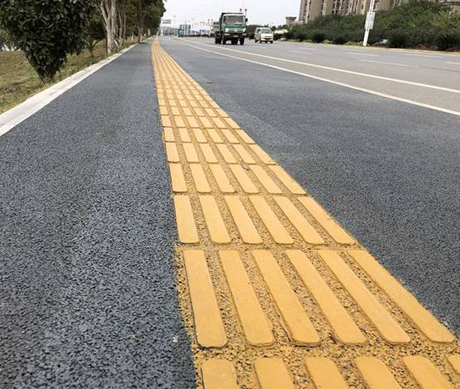
Cast-in-place tactile systems are engineered to perform under a wide range of environmental conditions.
They typically offer resistance to:
UV exposure
Rain and moisture
Freeze-thaw cycles
Temperature fluctuations
Heavy pedestrian traffic
Routine cleaning and maintenance
Their robust construction ensures long-lasting performance in both indoor and outdoor applications.
Modern cast-in-place tactile pavement systems are available in various colors, sizes, and tactile patterns to meet project-specific requirements.
Common features include:
Detectable warning domes
Directional guidance bars
High-contrast colors
Custom layouts
Integration with decorative paving systems
This flexibility allows designers to balance accessibility, aesthetics, and functionality.
Because cast-in-place tactile systems are durable and require minimal replacement, they contribute to sustainable construction practices. Their long lifespan reduces material waste and lowers lifecycle maintenance costs, making them a cost-effective accessibility solution for public infrastructure projects.
These systems are widely used in:
Sidewalks and crosswalks
Railway and metro stations
Bus terminals
Airports
Educational institutions
Hospitals
Government facilities
Shopping centers
Parks and recreational areas
Urban streetscape projects
Cast-in-place tactile pavement systems provide an effective and durable accessibility solution for modern infrastructure. By improving navigation, enhancing pedestrian safety, and supporting compliance with accessibility standards, these systems help create inclusive environments that serve people of all abilities. Their long-term durability, low maintenance requirements, and versatile design options make them a preferred choice for transportation facilities, public spaces, and commercial developments worldwide.