Road Anti-Skid Materials: Types, Applications, and Benefits
Road anti-skid materials are specialized surface engineering solutions designed to increase friction between vehicle tires and road surfaces. They play a crucial role in preventing skidding, improving braking performance, and enhancing overall traffic safety across modern transportation networks.
As road systems become more complex and traffic volumes increase, these materials are widely used in highways, urban roads, intersections, bridges, and pedestrian areas to ensure stable and safe driving conditions.
Types of Road Anti-Skid Materials
There are several main types of road anti-skid materials used in modern infrastructure, each designed for different performance needs and environments.
First, High-Friction Surface Treatments (HFST). These systems use hard aggregates such as calcined bauxite bonded with high-strength resin. They provide extremely high skid resistance and are commonly used in high-risk areas like curves, ramps, and intersections.
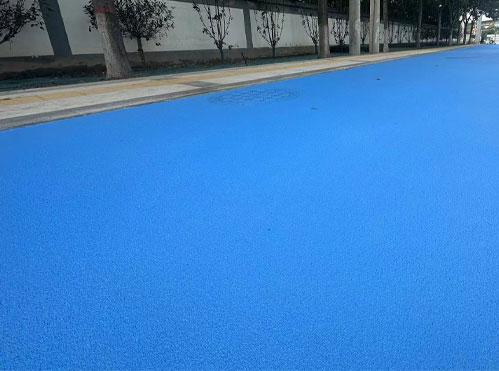
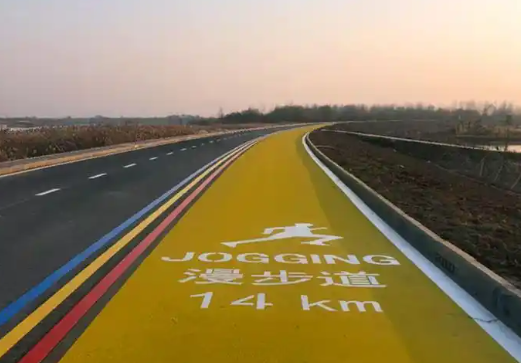
Second, ceramic aggregate anti-skid systems. These materials offer excellent durability, weather resistance, and color stability. They are often used in both safety-critical zones and colored road applications such as bicycle lanes and pedestrian crossings.
Third, epoxy resin-based anti-skid coatings. These systems provide strong adhesion and long-lasting surface performance, making them suitable for bridges, tunnels, and toll stations.

Fourth, polymer-modified micro-surfacing systems. These are cost-effective solutions used for large-area road maintenance. They restore surface texture and improve friction quickly with minimal traffic disruption.
Applications of Road Anti-Skid Materials
Road anti-skid materials are widely used across different transportation environments:
Highways: curves, exits, and high-speed sections
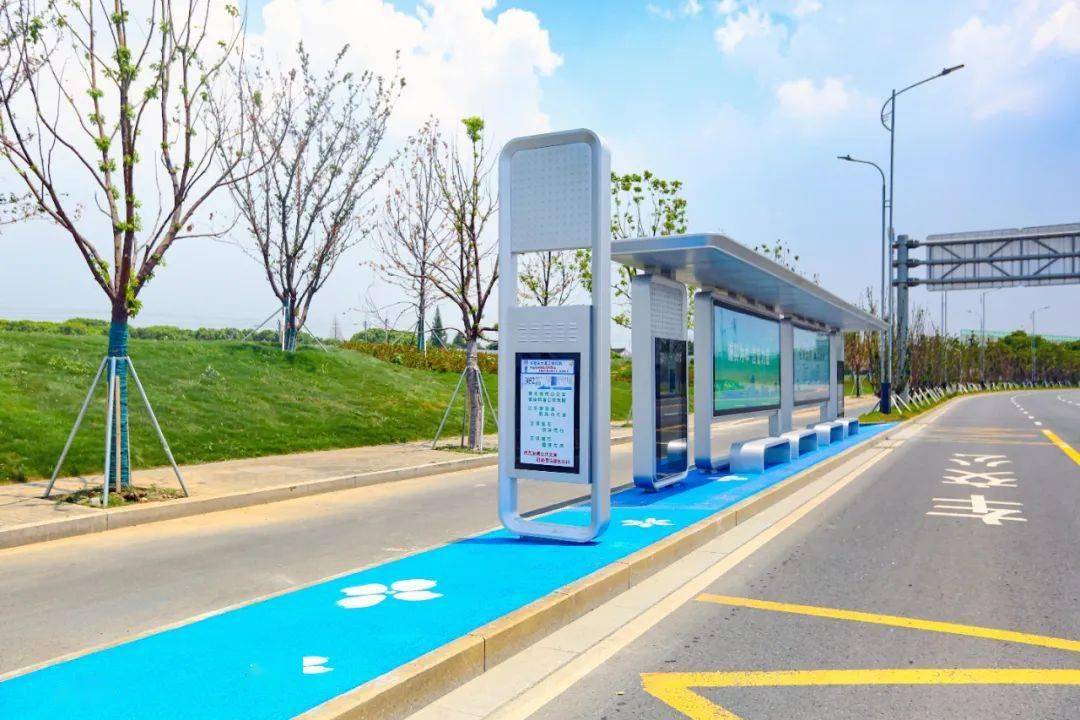
Urban roads: intersections, crossings, and bus lanes
Bridges and ramps: areas prone to wet-weather slipping
Bicycle lanes: improving grip and cyclist safety
Pedestrian zones: crosswalks and shared pathways
Tunnels: entrances and exits with sudden lighting and moisture changes
Benefits of Road Anti-Skid Materials
The advantages of using road anti-skid materials are significant in both safety and infrastructure performance.
First, improved traffic safety. Increased surface friction reduces skidding, hydroplaning, and loss of vehicle control, especially during wet or emergency conditions.
Second, shorter braking distance. Vehicles can stop more efficiently, reducing collision risks at intersections and high-traffic zones.
Third, enhanced durability. Modern systems resist wear, weathering, and traffic polishing, maintaining long-term performance.
Fourth, better traffic organization. When combined with colored surfaces, anti-skid materials help define lanes and guide road users more clearly.
Fifth, lower maintenance costs. Long-lasting performance reduces the need for frequent resurfacing and repairs.
Conclusion
Road anti-skid materials are essential components of modern transportation infrastructure. With a variety of types including HFST, ceramic aggregates, resin coatings, and micro-surfacing systems, they provide flexible solutions for different road conditions. Their ability to improve safety, extend pavement life, and enhance driving stability makes them a critical technology for building safer and more efficient road networks worldwide.