Making pavement less slippery is essential for improving road safety, reducing accidents, and protecting both pedestrians and vehicles. Slippery pavement is commonly caused by rain, snow, oil contamination, smooth surface wear, or poor pavement texture. To improve traction and surface safety, several effective pavement treatment methods can be used in urban roads, parking lots, bicycle lanes, sidewalks, bridges, and industrial areas.
One of the most common solutions is applying an anti-slip coating. These coatings are made with durable resins and high-friction aggregates such as ceramic particles, quartz sand, or emery materials. The textured surface created by these materials increases friction and improves tire and foot grip, especially during wet weather. Anti-slip coatings are widely used on intersections, ramps, pedestrian crossings, and bus lanes where vehicles frequently brake or turn.
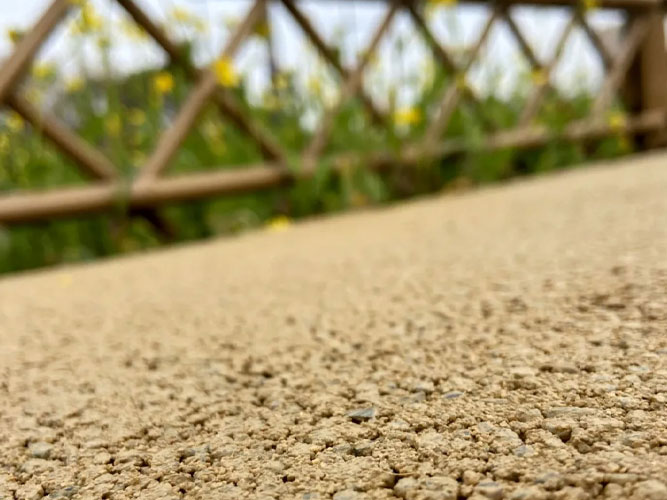
Another effective method is using textured pavement finishes. Broom-finished concrete, exposed aggregate surfaces, and grooved asphalt can significantly improve traction by creating rough surface patterns. These textures help water drain more efficiently and reduce the risk of hydroplaning or slipping. Textured finishes are commonly applied on sidewalks, driveways, and public walking areas.
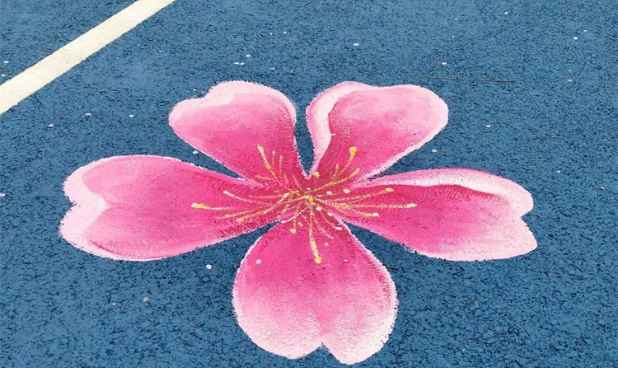
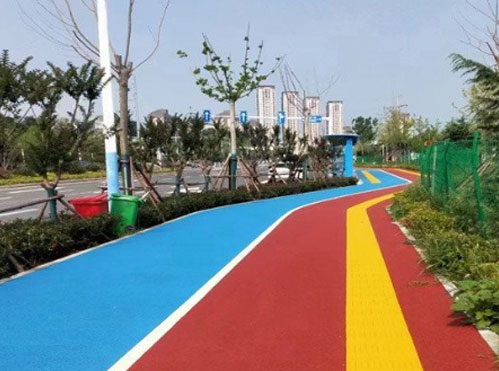
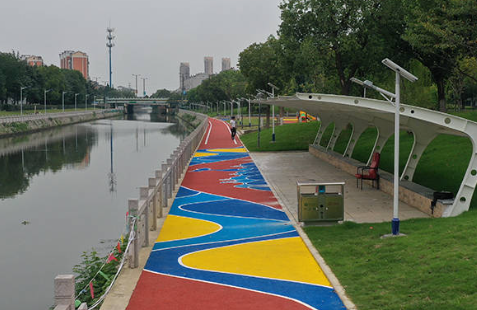
Colored anti-slip pavement systems also help improve road visibility and safety. Bright colors such as red, green, blue, and yellow clearly identify bicycle lanes, pedestrian zones, or warning areas. Better visibility allows drivers and pedestrians to react more quickly, reducing accident risks in high-traffic locations.
Proper drainage is another important factor in reducing pavement slipperiness. Water accumulation can quickly make roads dangerous, so maintaining clean drainage systems and designing pavements with proper slopes can help keep surfaces dry. Regular cleaning to remove oil, dust, leaves, and other contaminants is also necessary for maintaining skid resistance.
For existing worn pavement, surface grinding or shot blasting can restore texture and improve friction performance. In colder climates, de-icing treatments and snow removal are also important to prevent icy and slippery conditions.
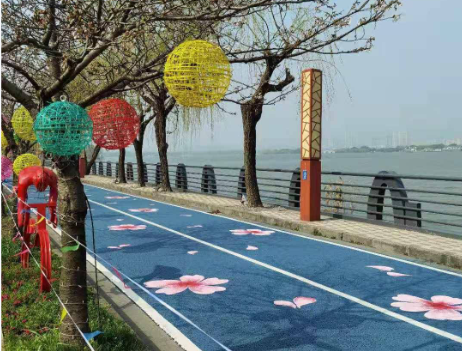
Modern pavement engineering increasingly uses water-based and environmentally friendly anti-slip materials that provide durable skid resistance while reducing environmental impact. These systems offer long service life, fast installation, and low maintenance costs.
Overall, making pavement less slippery requires a combination of high-friction materials, surface texture improvement, proper maintenance, and effective drainage design. These solutions help create safer and more reliable transportation environments for both vehicles and pedestrians.