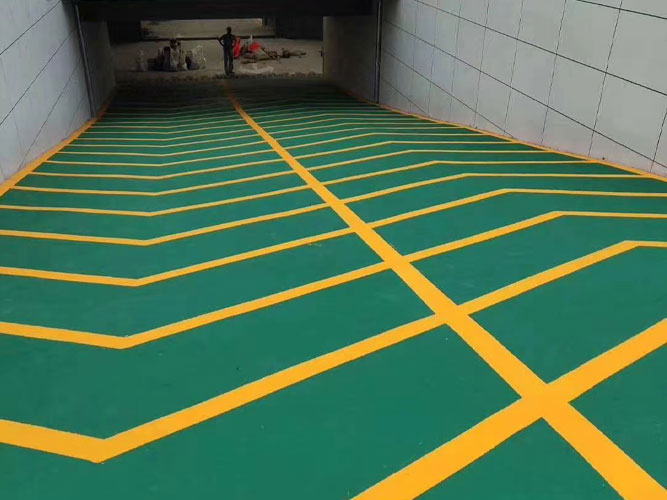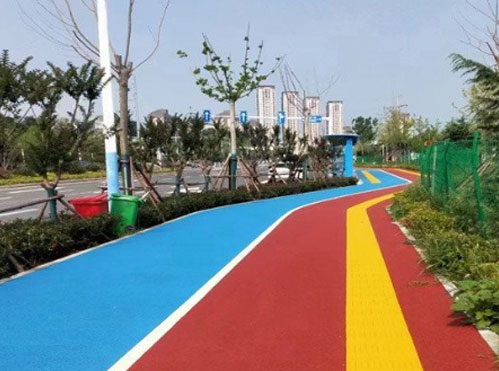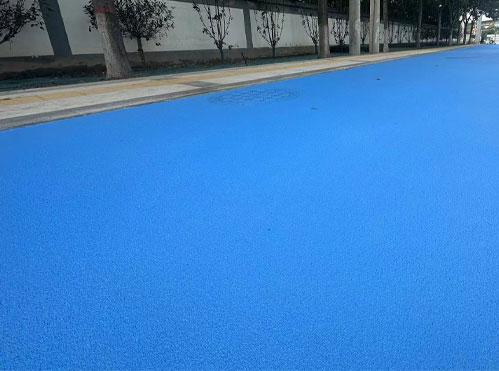
Ceramic aggregate anti-skid pavement materials are advanced surfacing solutions designed to improve road safety, durability, and visibility. These systems combine high-strength binders with specially engineered ceramic aggregates to create a highly textured, skid-resistant surface that performs well under heavy traffic and challenging weather conditions. They are widely used on highways, intersections, bicycle lanes, pedestrian crossings, ramps, bridges, and other areas where enhanced traction is essential.
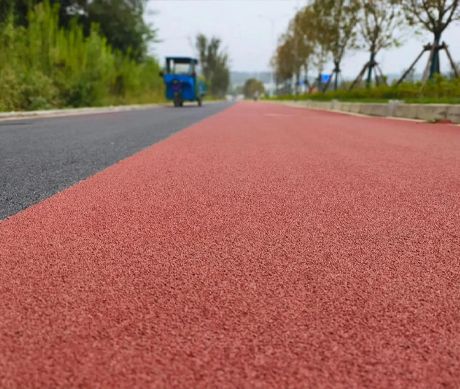
The key component of this pavement system is the ceramic aggregate. Unlike conventional aggregates, ceramic particles are manufactured at high temperatures, resulting in exceptional hardness, wear resistance, and color stability. These properties allow the pavement surface to maintain its texture and appearance for many years, even under constant vehicle traffic and environmental exposure.
One of the primary benefits of ceramic aggregate anti-skid pavement materials is their superior skid resistance. The rough surface texture increases tire grip, helping vehicles maintain better control during braking, turning, and wet-weather driving. This enhanced traction can significantly reduce the risk of skidding accidents, particularly at high-risk locations such as sharp curves, steep slopes, intersections, and pedestrian zones.
Durability is another major advantage. Ceramic aggregates offer excellent resistance to abrasion, polishing, UV radiation, and chemical exposure. As a result, the pavement surface remains effective for a longer period compared to many traditional anti-slip treatments. This extended service life helps reduce maintenance costs and minimizes traffic disruptions caused by repair work.
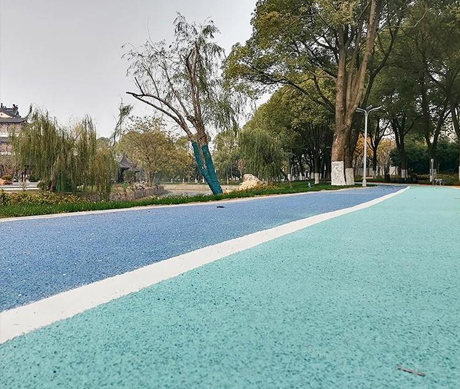
Colored ceramic aggregate systems also provide outstanding visibility. Aggregates are available in a variety of colors, including red, green, blue, yellow, and other custom shades. These vibrant colors help distinguish bicycle lanes, bus lanes, pedestrian crossings, and special traffic zones, improving road organization and enhancing overall traffic safety.
Environmental performance is becoming increasingly important in modern infrastructure projects. Many ceramic aggregate anti-skid pavement systems use durable materials that reduce the frequency of resurfacing and maintenance. Their long service life contributes to resource conservation and supports sustainable infrastructure development.
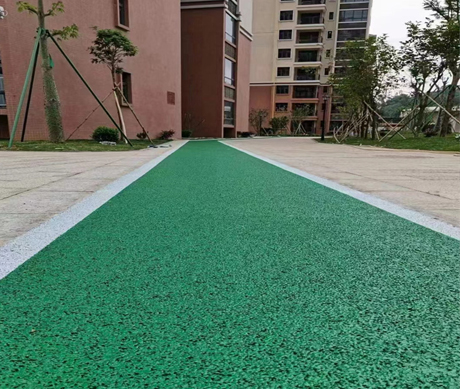
Installation typically involves applying a high-performance resin binder to the pavement surface, followed by broadcasting ceramic aggregates evenly across the coating. Once cured, the system forms a strong bond with the existing asphalt or concrete substrate, creating a durable and high-friction surface capable of withstanding demanding traffic conditions.
As road safety standards continue to evolve, ceramic aggregate anti-skid pavement materials have become a preferred solution for engineers, contractors, and municipalities seeking long-lasting performance, improved traction, and enhanced visual guidance. Their combination of durability, safety, and aesthetic appeal makes them an excellent choice for modern transportation infrastructure.