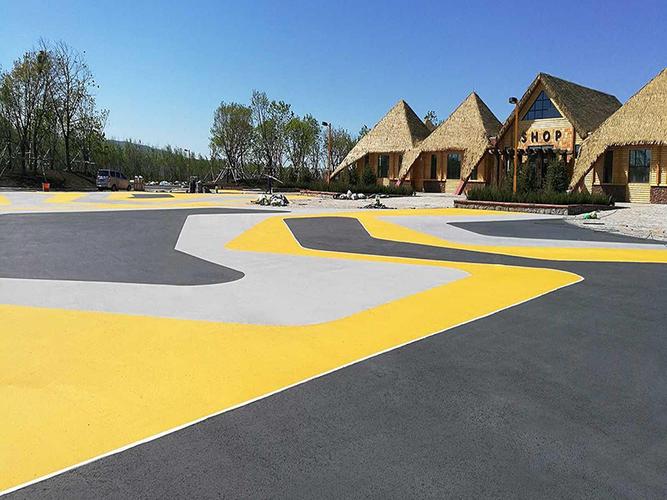
As cities continue to modernize transportation infrastructure, colored road surface safety solutions are becoming an essential part of traffic management and urban planning. These specialized pavement systems improve road visibility, increase skid resistance, and help organize traffic flow for both vehicles and pedestrians.
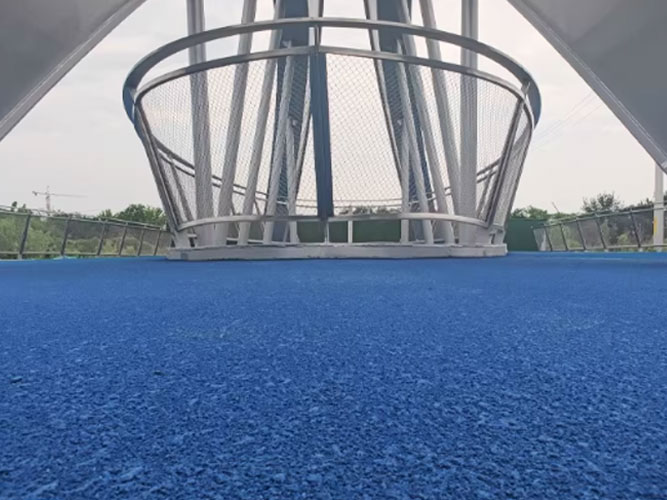
Colored pavement is widely used on bicycle lanes, bus lanes, pedestrian crossings, highways, tunnels, bridges, parking ramps, and industrial roads. By combining high-friction aggregates with durable colored binders, these systems provide both functional safety and visual guidance.
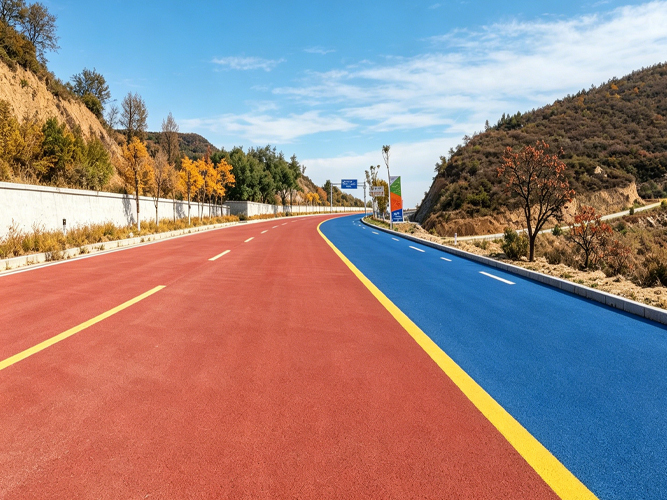
Traditional asphalt surfaces can become difficult to distinguish under heavy traffic, rain, or low-light conditions. Colored road surfacing creates clear visual contrast that helps drivers quickly recognize different traffic zones and road functions.
Key safety advantages include:
Improved visibility during day and night
Enhanced skid resistance in wet conditions
Reduced braking distance
Better lane recognition and traffic guidance
Increased awareness in high-risk areas
Safer conditions for cyclists and pedestrians
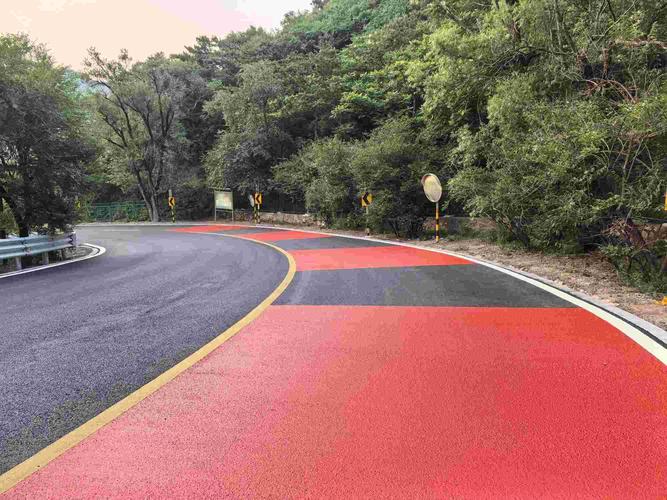
High-friction colored surfaces are especially effective at intersections, sharp curves, bus stops, school zones, and highway exits where rapid vehicle deceleration is common.
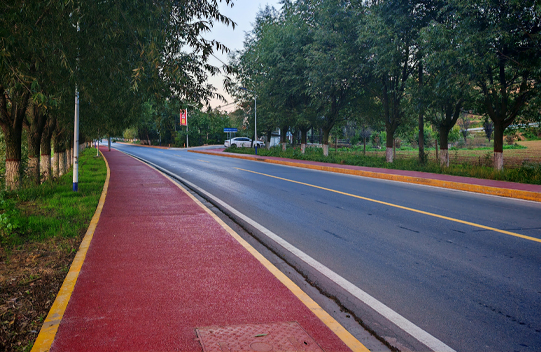
Water-based systems are environmentally friendly and offer excellent adhesion and wear resistance. They are commonly used in urban roads, bicycle lanes, and pedestrian areas due to their low VOC emissions and sustainable construction properties.
MMA (Methyl Methacrylate) coatings cure rapidly and perform well under heavy traffic conditions. These systems are suitable for highways, bridges, tunnels, and intersections requiring fast installation and long-term durability.
Colored ceramic aggregate systems provide exceptional anti-slip performance and color retention. The ceramic particles maintain high friction even under continuous vehicle loading and severe weather conditions.
Colored micro surfacing is a cost-effective road maintenance solution that improves pavement texture, extends pavement life, and enhances surface visibility simultaneously.
Colored road surface safety solutions are widely applied in:
Bicycle lanes
Pedestrian crossings
Bus rapid transit lanes
Highway warning zones
Parking garages and ramps
School safety areas
Airport pavements
Industrial facilities
Bridges and tunnels
Different colors are often used to identify specific traffic functions. Red surfaces may indicate bus or bicycle lanes, while green surfaces are commonly used for cycling infrastructure and pedestrian safety zones.
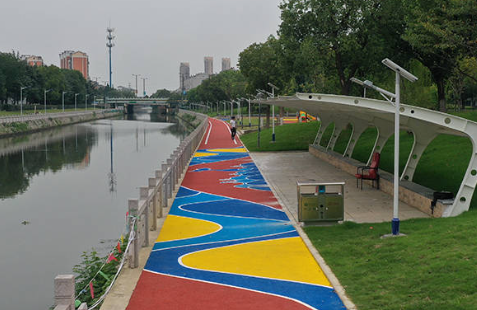
Modern colored pavement systems are designed to withstand heavy traffic, UV exposure, rain, and temperature fluctuations. Advanced resin technologies and high-quality aggregates help maintain long-lasting color stability and skid resistance.
Proper surface preparation and professional installation are critical for maximizing pavement lifespan and performance. Depending on traffic volume and material selection, colored safety surfaces can provide reliable service for many years with minimal maintenance.
Colored road surface technology supports modern smart city development by improving transportation efficiency and public safety. In addition to enhancing road aesthetics, these systems contribute to safer urban mobility and clearer traffic organization.
As demand for sustainable and high-performance infrastructure continues to grow, colored anti-skid pavement solutions are becoming an increasingly important component of modern road engineering.