High-traffic roads such as highways, intersections, bus lanes, and urban arterial streets face constant challenges related to braking distance, vehicle stability, and accident prevention. One of the most effective solutions to improve road safety is the use of anti-skid pavement systems.
Anti-skid pavement technology is designed to increase surface friction, reduce slipping risks, and improve vehicle control under all weather conditions. It has become an essential component of modern road engineering and smart transportation infrastructure.
An anti-skid pavement system is a specialized road surface treatment that enhances friction between tires and the pavement. It is typically made using high-performance aggregates, resin binders, or modified asphalt materials to create a rough, textured surface with strong grip performance.
Common types of anti-skid pavement systems include:
High friction surfacing (HFS)
MMA resin anti-skid pavement
Colored anti-skid pavement systems
Waterborne SP anti-slip coatings
Colored micro surfacing systems
These systems are widely used in both urban and highway environments where safety is critical.
The primary advantage of anti-skid pavement is improved road safety, especially in areas with heavy traffic flow and frequent braking.
High-friction surfaces help:
Reduce vehicle skidding during sudden braking
Improve tire grip in wet or rainy conditions
Enhance stability on curves and slopes
Lower accident risks at intersections
Increase driver reaction control
This makes anti-skid pavement particularly valuable for highways, ramps, and congested urban roads.
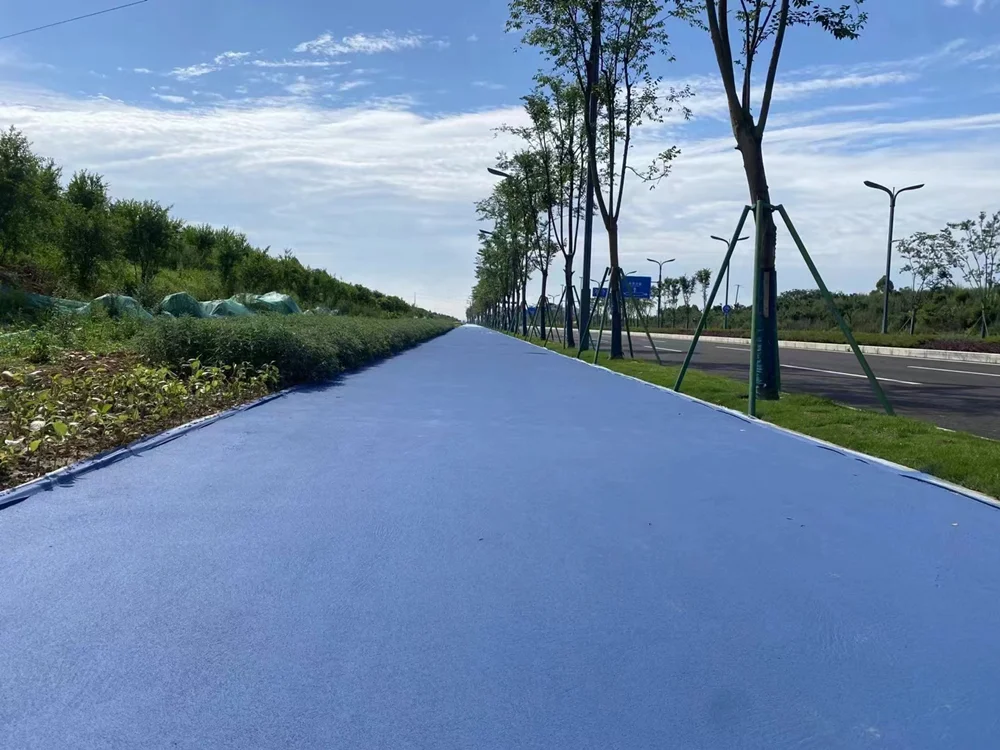
Weather conditions significantly affect road safety. Rain, fog, and snow can reduce tire grip on traditional asphalt surfaces, increasing accident risks.
Anti-skid pavement systems are engineered to maintain high friction levels even under adverse conditions. The use of hard aggregates such as ceramic particles or calcined materials helps maintain surface texture and skid resistance over time.
Benefits include:
Better wet-weather braking performance
Reduced hydroplaning risk
Stable surface friction in temperature changes
Improved nighttime driving safety
Certain road areas require extra safety measures due to high accident risks. Anti-skid pavement is commonly applied in:
Sharp curves
Highway exit and entrance ramps
Downhill slopes
Toll stations
Intersections and roundabouts
Pedestrian crossings
These locations benefit greatly from increased surface friction and better vehicle control.
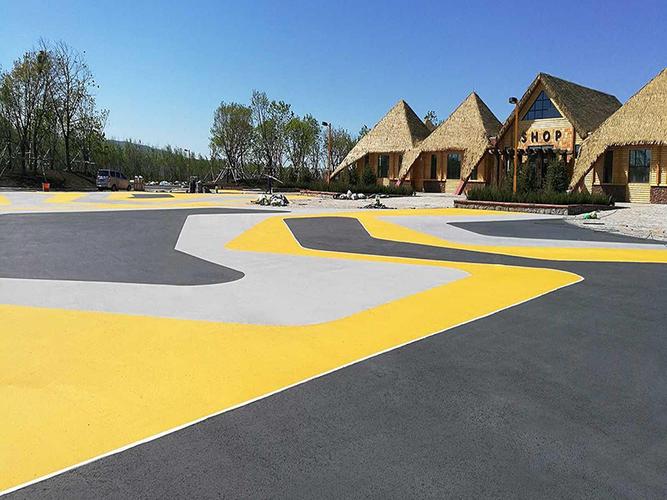
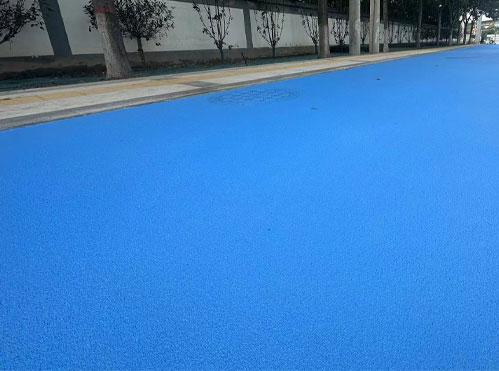
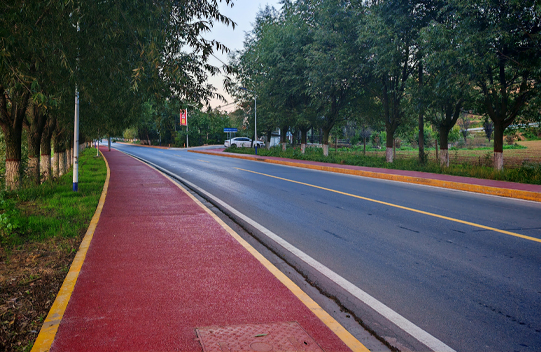
Modern anti-skid systems often combine functional performance with visual guidance. Colored anti-skid pavement improves both friction and road visibility.
Color coding is commonly used for:
Red bus lanes
Green bike lanes
Yellow warning zones
Blue parking areas
This dual-function system enhances both safety and traffic organization, especially in smart city environments.
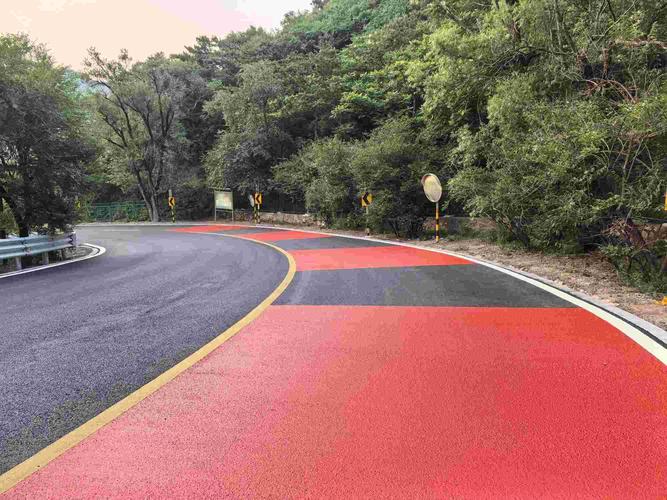
High-performance anti-skid pavement systems are designed to withstand extreme traffic and environmental conditions.
Key durability features include:
Resistance to heavy vehicle loads
Strong adhesion to asphalt and concrete surfaces
UV and weather resistance
Long-term texture stability
Low maintenance requirements
Technologies such as MMA resin and high-friction aggregates help extend pavement lifespan while maintaining safety performance.
Modern anti-skid systems are designed for efficient installation with minimal disruption to traffic flow. Some systems, such as MMA-based surfacing, offer fast curing times, allowing roads to reopen quickly after application.
Advantages include:
Reduced construction downtime
Quick curing and hardening
Minimal traffic disruption
Suitable for emergency repairs
This is especially important for urban roads and highways where closures can cause major congestion.
Many anti-skid pavement systems now incorporate environmentally friendly materials and construction methods. Waterborne coatings and recyclable aggregates help reduce environmental impact while maintaining high performance.
Sustainability benefits include:
Lower VOC emissions
Reduced energy consumption during installation
Long service life reduces material waste
Compatibility with eco-friendly infrastructure projects
Anti-skid pavement is widely used across different transportation environments, including:
Improves safety at high-speed driving conditions and reduces accident risks.
Enhances safety in congested city traffic and intersection zones.
Provides extra grip on curved and elevated surfaces.
Ensures safe separation and stable surface conditions for non-motorized transport.
Improves vehicle control in low-speed but high-turning environments.
As transportation systems become more advanced, anti-skid pavement technology continues to evolve.
Future developments may include:
Smart friction monitoring systems
Self-healing pavement materials
Advanced eco-friendly resin systems
Improved durability under extreme climates
Integration with intelligent traffic systems
Anti-skid pavement systems are no longer optional—they are becoming a standard requirement for modern high-traffic road design. By improving grip, stability, and overall safety, they play a critical role in building safer and more efficient transportation networks.