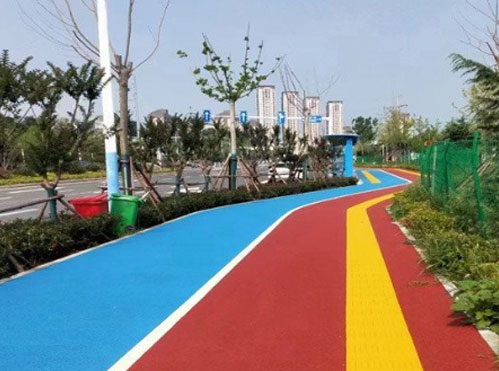
Modern infrastructure projects require accessibility solutions that are durable, safe, and compliant with accessibility standards. Cast-in-place diamond tactile paving has become a preferred choice for architects, engineers, contractors, and municipalities seeking long-lasting tactile guidance systems for public spaces. Designed to provide clear tactile feedback and excellent surface performance, cast-in-place diamond tactile paving enhances pedestrian safety while supporting accessibility requirements in transportation facilities, commercial developments, and urban environments.
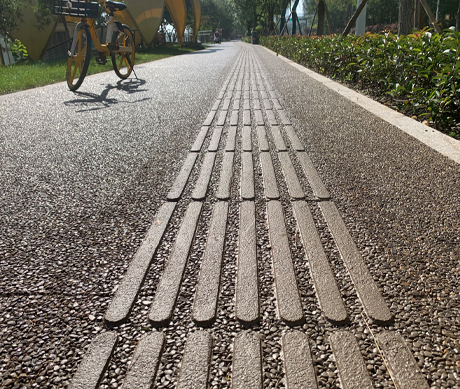
Cast-in-place diamond tactile paving is a tactile warning and guidance system installed directly into freshly poured concrete. The paving surface features a distinctive raised diamond pattern that can be detected by foot or mobility cane, helping visually impaired pedestrians identify pathways, transitions, and areas requiring attention.
Unlike surface-mounted products, cast-in-place systems become an integral part of the pavement structure, providing superior durability and long-term reliability.
One of the main advantages of cast-in-place diamond tactile paving is its exceptional durability. Because the tactile unit is embedded within the concrete during installation, it forms a secure and permanent bond with the pavement.
Key durability benefits include:
High impact resistance
Excellent wear resistance
Strong load-bearing capacity
Resistance to vandalism
Long service life
Reduced maintenance requirements
These features make it suitable for areas that experience heavy pedestrian traffic every day.
Diamond tactile paving provides important tactile cues that help visually impaired individuals navigate public environments safely and independently.
The system assists users by:
Identifying accessible routes
Highlighting transition zones
Improving orientation and navigation
Enhancing pedestrian awareness
Supporting safer movement through public spaces
By improving accessibility, tactile paving contributes to more inclusive and user-friendly infrastructure.
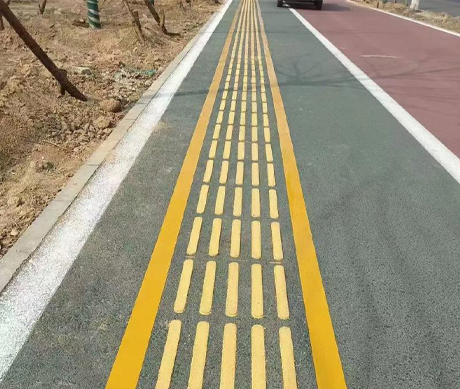
Many countries and municipalities require tactile paving systems as part of accessibility regulations and universal design standards. Cast-in-place diamond tactile paving is often selected because it can help meet applicable code requirements for public infrastructure projects.
Common installation locations include:
Sidewalks
Public plazas
Transportation facilities
Government buildings
Educational campuses
Commercial developments
Healthcare facilities
Compliance with accessibility standards helps create safer and more equitable environments for all users.
Pedestrian safety depends not only on accessibility but also on surface traction. Cast-in-place diamond tactile paving provides a textured surface that improves grip underfoot and helps reduce slip hazards.
Advantages include:
Better traction in wet conditions
Improved pedestrian stability
Reduced risk of slips and falls
Enhanced safety around entrances and crossings
This makes the system effective in both indoor and outdoor applications.
Cast-in-place tactile paving is designed to perform in a wide range of environmental conditions.
The material typically offers resistance to:
UV exposure
Rain and moisture
Freeze-thaw cycles
Temperature fluctuations
Heavy pedestrian use
Routine cleaning procedures
Its robust construction helps maintain performance and appearance over many years.
In addition to functionality, cast-in-place diamond tactile paving can complement contemporary architectural and landscape designs.
Available in various colors and finishes, it can be integrated into:
Streetscape projects
Urban plazas
Public parks
Transit-oriented developments
Commercial complexes
The clean, professional appearance allows designers to balance accessibility with visual appeal.
The long lifespan of cast-in-place tactile paving contributes to sustainable infrastructure development. Because the system requires fewer replacements and repairs than many surface-mounted alternatives, it helps reduce:
Maintenance costs
Material consumption
Construction waste
Facility downtime
These lifecycle benefits make it a cost-effective choice for public and private projects alike.
Cast-in-place diamond tactile paving is widely used in:
Sidewalk and streetscape projects
Railway and metro stations
Bus terminals
Airports
University campuses
Hospitals
Shopping centers
Civic facilities
Parks and recreational areas
Its versatility allows it to serve a broad range of accessibility and safety needs.
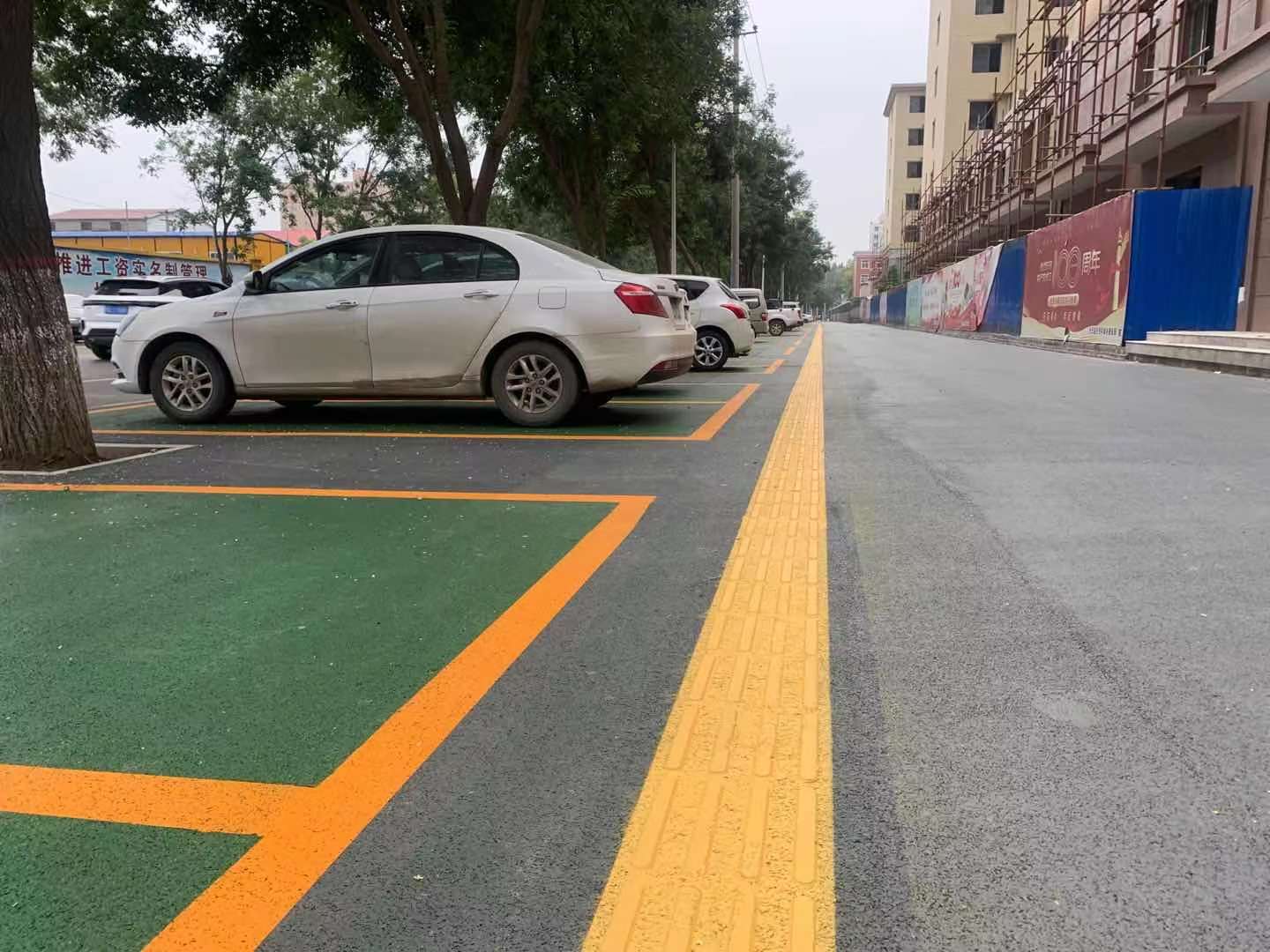
Cast-in-place diamond tactile paving is a durable and code-compliant pavement solution that enhances accessibility, improves pedestrian safety, and delivers long-term performance. With its integrated installation method, slip-resistant surface, weather resistance, and low maintenance requirements, it provides lasting value for infrastructure projects of all sizes. As cities and developers continue to prioritize inclusive design and public safety, cast-in-place diamond tactile paving remains an essential component of modern accessible environments.