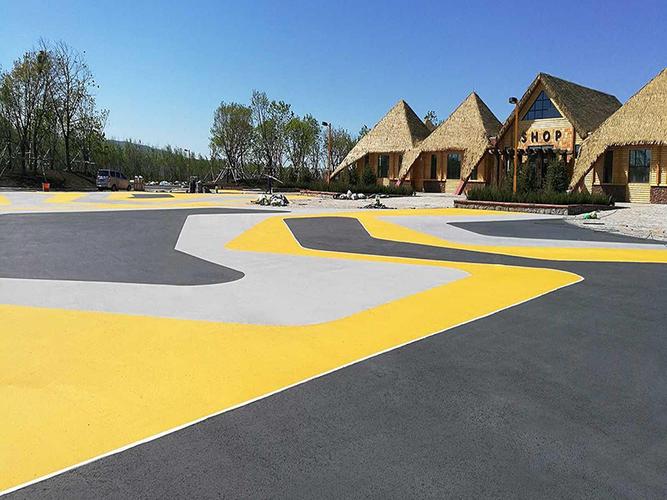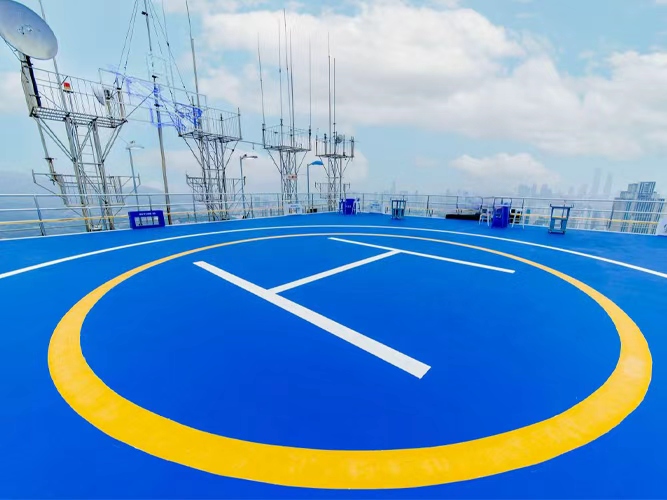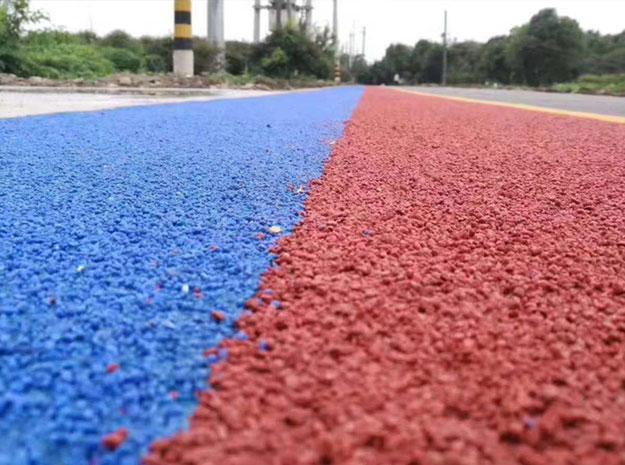
As cities increasingly promote cycling as a sustainable and healthy mode of transportation, the demand for durable and highly visible bike lane surfacing has grown significantly. Colored polymer slurry is an advanced pavement solution specifically designed to enhance the safety, durability, and appearance of bicycle infrastructure. By combining polymer-modified binders, high-quality aggregates, and vibrant pigments, this surface treatment provides long-lasting performance for urban and recreational cycling networks.
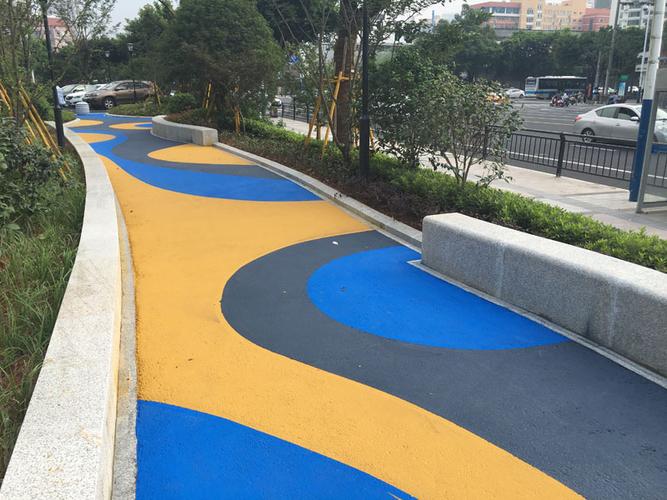
One of the key advantages of colored polymer slurry for bike lanes is its excellent visibility. Bright colors such as green, red, blue, or customized shades clearly distinguish cycling areas from vehicle lanes and pedestrian walkways. This visual separation helps improve traffic organization, increases driver awareness, and reduces the risk of conflicts between different road users.
Safety is another major benefit. The polymer slurry mixture incorporates carefully selected aggregates that create a textured, high-friction surface. This enhanced skid resistance provides better tire grip for cyclists, particularly during wet weather conditions or in areas where frequent braking and turning occur. Improved traction helps reduce the likelihood of slips and accidents, making bike lanes safer for riders of all ages.
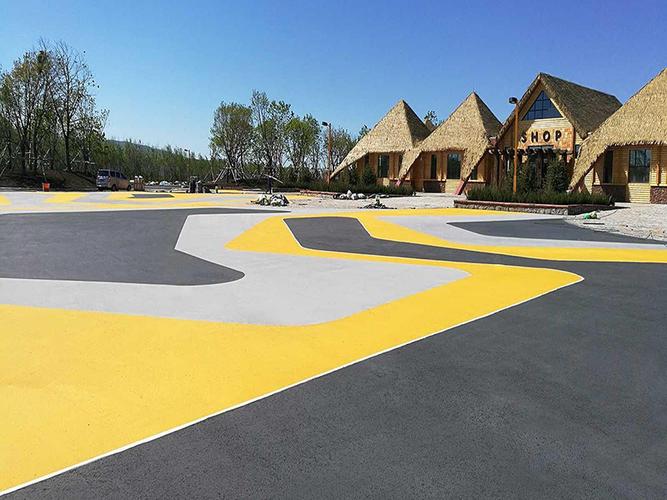
Durability is essential for cycling infrastructure that experiences daily use and environmental exposure. Polymer-modified binders offer strong adhesion to existing asphalt or concrete surfaces while providing resistance to wear, cracking, and weathering. The flexible nature of the polymer system allows the surface to withstand temperature fluctuations and traffic stress without significant deterioration.
Colored polymer slurry is also a cost-effective pavement preservation solution. It can be applied as a thin surface layer over existing pavement, extending the life of the underlying road structure while improving its appearance and functionality. Installation is typically faster and more economical than full pavement reconstruction, minimizing traffic disruption during construction.
Environmental sustainability is another important advantage. Many colored polymer slurry systems utilize water-based technologies and efficient application methods that reduce material consumption and emissions. Supporting bicycle transportation through high-quality infrastructure also contributes to lower vehicle emissions and more sustainable urban mobility.
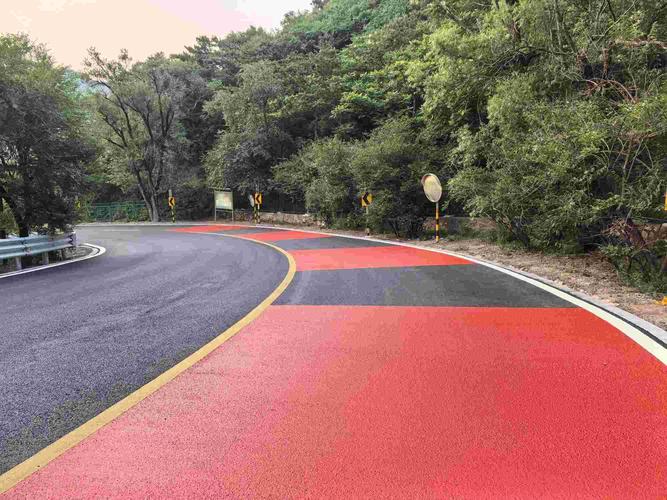
In addition to functional benefits, colored polymer slurry enhances the visual appeal of urban environments. Well-marked bike lanes create a modern and organized streetscape while encouraging greater use of cycling facilities. Cities can also use customized colors and designs to align with urban branding and transportation planning objectives.
Applications include urban bike lanes, shared-use paths, park trails, campus cycling routes, waterfront promenades, and recreational cycling facilities. The versatility and performance of colored polymer slurry make it suitable for a wide range of cycling infrastructure projects.
As governments and municipalities continue to invest in active transportation networks, colored polymer slurry has become an increasingly popular choice for bike lane construction and maintenance. Its combination of visibility, skid resistance, durability, sustainability, and aesthetic appeal makes it an ideal solution for creating safer and more attractive cycling environments.