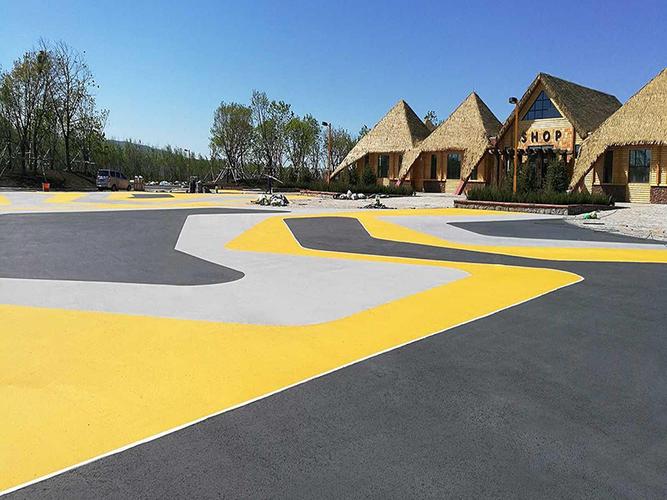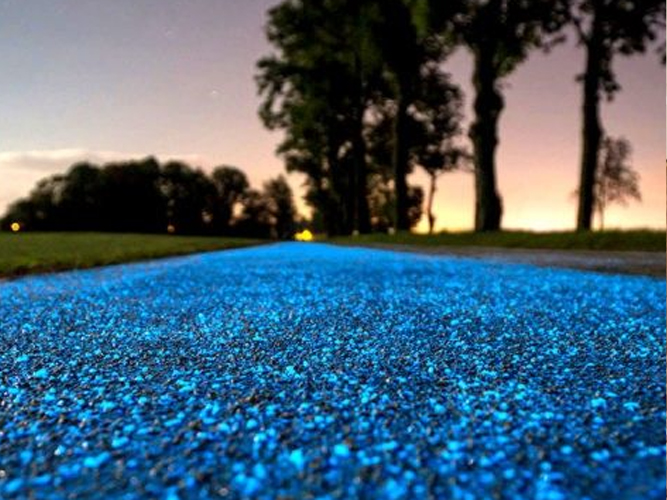
Colored pavement plays an important role in improving modern road safety and traffic visibility. By using bright and highly visible surface colors, road authorities can create clearer traffic guidance for drivers, cyclists, and pedestrians. Colored road surfaces are now widely used in bicycle lanes, bus lanes, pedestrian crossings, parking areas, tunnels, and high-risk intersections.
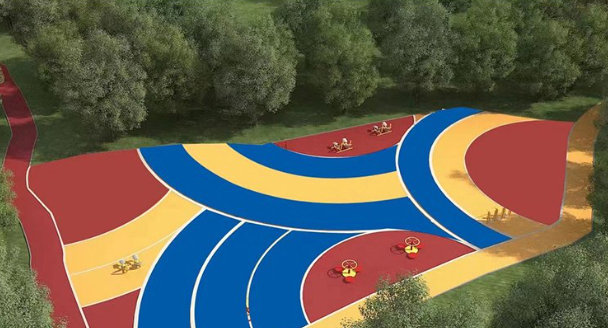
One major advantage of colored pavement is enhanced visibility. Traditional asphalt roads can sometimes appear unclear in low-light, rainy, or foggy conditions. Colored surfaces such as red, green, blue, or yellow help road users quickly identify different traffic zones and understand road functions. For example, green pavement is commonly used for bicycle lanes, while red pavement often indicates bus-only lanes or danger zones.
Colored pavement also improves driver awareness and reaction time. Bright surface markings attract attention and encourage drivers to slow down when approaching school zones, pedestrian crossings, sharp curves, or accident-prone areas. This visual warning effect helps reduce speeding and lowers the risk of collisions.

Another important benefit is improved skid resistance. Many colored pavement systems include anti-slip aggregates or ceramic particles that increase tire grip. This helps vehicles maintain better control during wet weather and shortens braking distance, especially on ramps, bridges, and intersections.
In addition, colored pavement contributes to safer urban transportation planning. Clearly separated traffic areas improve organization and reduce conflicts between vehicles, bicycles, and pedestrians. The combination of safety, durability, and aesthetic appeal makes colored pavement an effective solution for modern smart city infrastructure.
As traffic safety standards continue to rise, colored pavement technology is becoming an increasingly valuable tool for creating safer, more visible, and more efficient road systems.