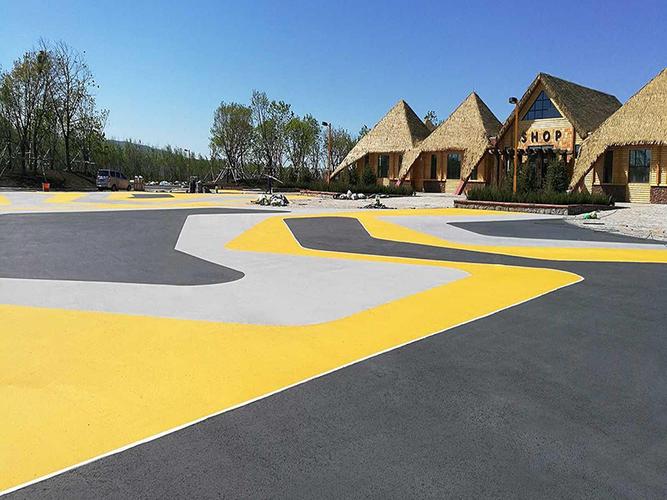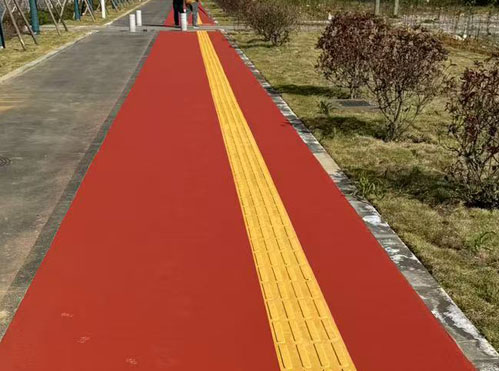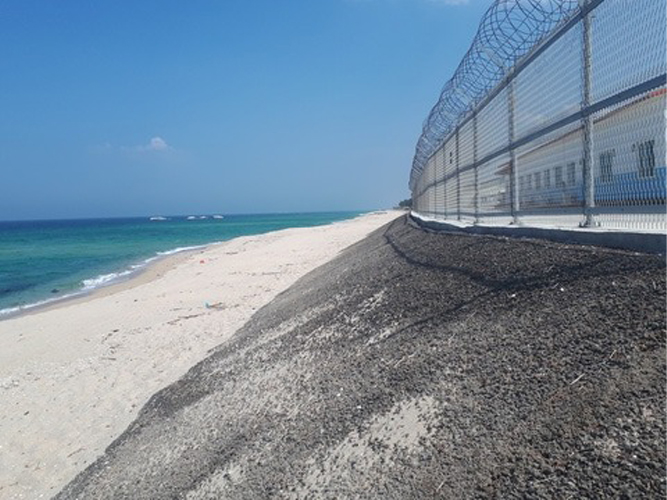
Colored micro-surfacing is an advanced pavement maintenance and surface improvement technology designed for municipal roads, urban streets, residential areas, and public transportation zones. By combining modified asphalt emulsion, polymer materials, aggregates, and color pigments, colored micro-surfacing creates a durable, attractive, and functional road surface.
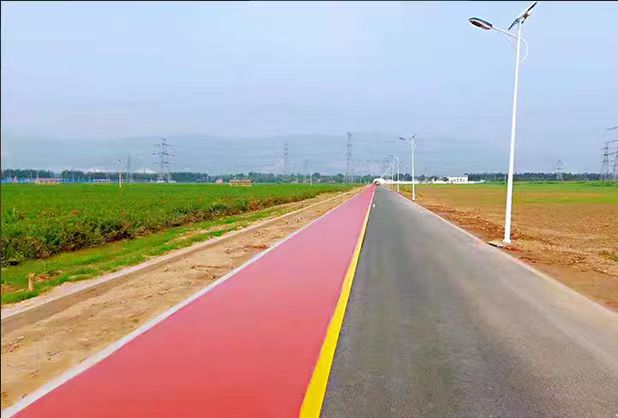
For municipalities, this system provides an efficient way to improve road appearance, enhance traffic safety, and extend pavement service life while reducing long-term maintenance costs.
Colored micro-surfacing is a thin-layer pavement treatment that applies a mixture of polymer-modified emulsion, mineral aggregates, fillers, water, and pigments onto existing pavement surfaces.
Unlike traditional asphalt surfaces, colored micro-surfacing offers both protective and decorative functions. It can restore aging roads, improve skid resistance, and create clearly visible traffic areas through customized colors.
This technology is widely used for municipal road upgrades because it can be installed quickly with minimal disruption to traffic.
Municipal roads often experience daily traffic, weather exposure, and surface aging. Colored micro-surfacing helps protect existing pavement while improving the appearance of neighborhoods and urban streets.
It can be used for:
Residential streets
Community roads
Urban renewal projects
Road beautification programs
The colored surface creates a cleaner and more attractive urban environment.
Colored micro-surfacing is widely used for bicycle lanes because it improves visibility and separates cycling areas from vehicle lanes.
Different colors can be applied to:
Bicycle paths
Shared streets
Cycling networks
Pedestrian and cycling zones
The enhanced visibility helps improve traffic organization and cyclist safety.
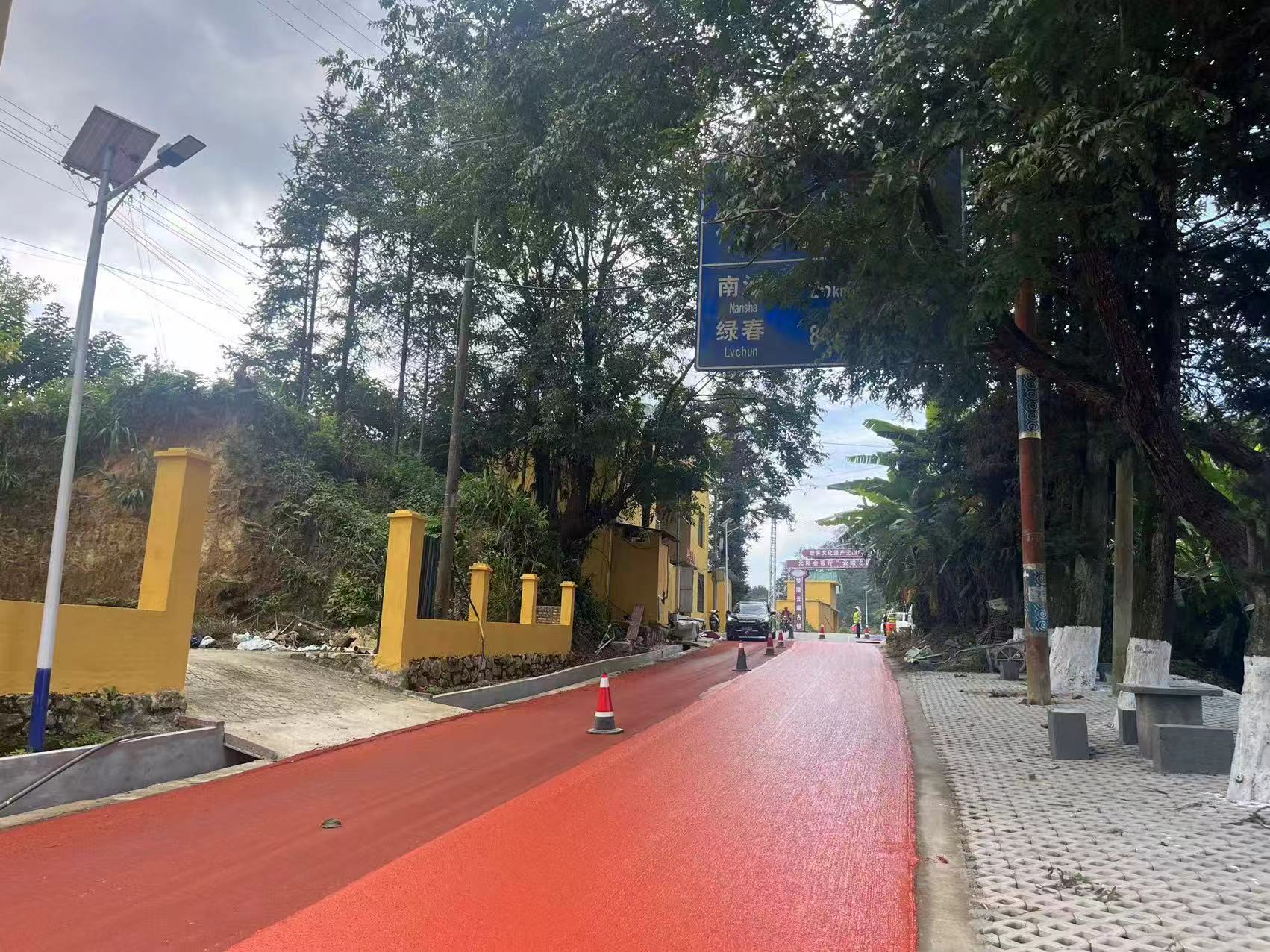
Municipal transportation systems often require clear lane identification. Colored micro-surfacing provides a highly visible surface treatment for dedicated bus lanes and transit corridors.
Benefits include:
Improved lane recognition
Better traffic management
Reduced unauthorized vehicle use
Enhanced public transportation efficiency
In urban landscape projects, colored micro-surfacing combines pavement protection with decorative design.
It can create attractive surfaces for:
Parks
Squares
Tourist areas
Walking paths
Recreation zones
The polymer-modified materials create a strong protective layer that helps resist wear, weather damage, and surface deterioration. It extends the service life of existing asphalt pavements.
Colored micro-surfacing improves surface texture and friction performance, helping vehicles maintain better control, especially in wet conditions.
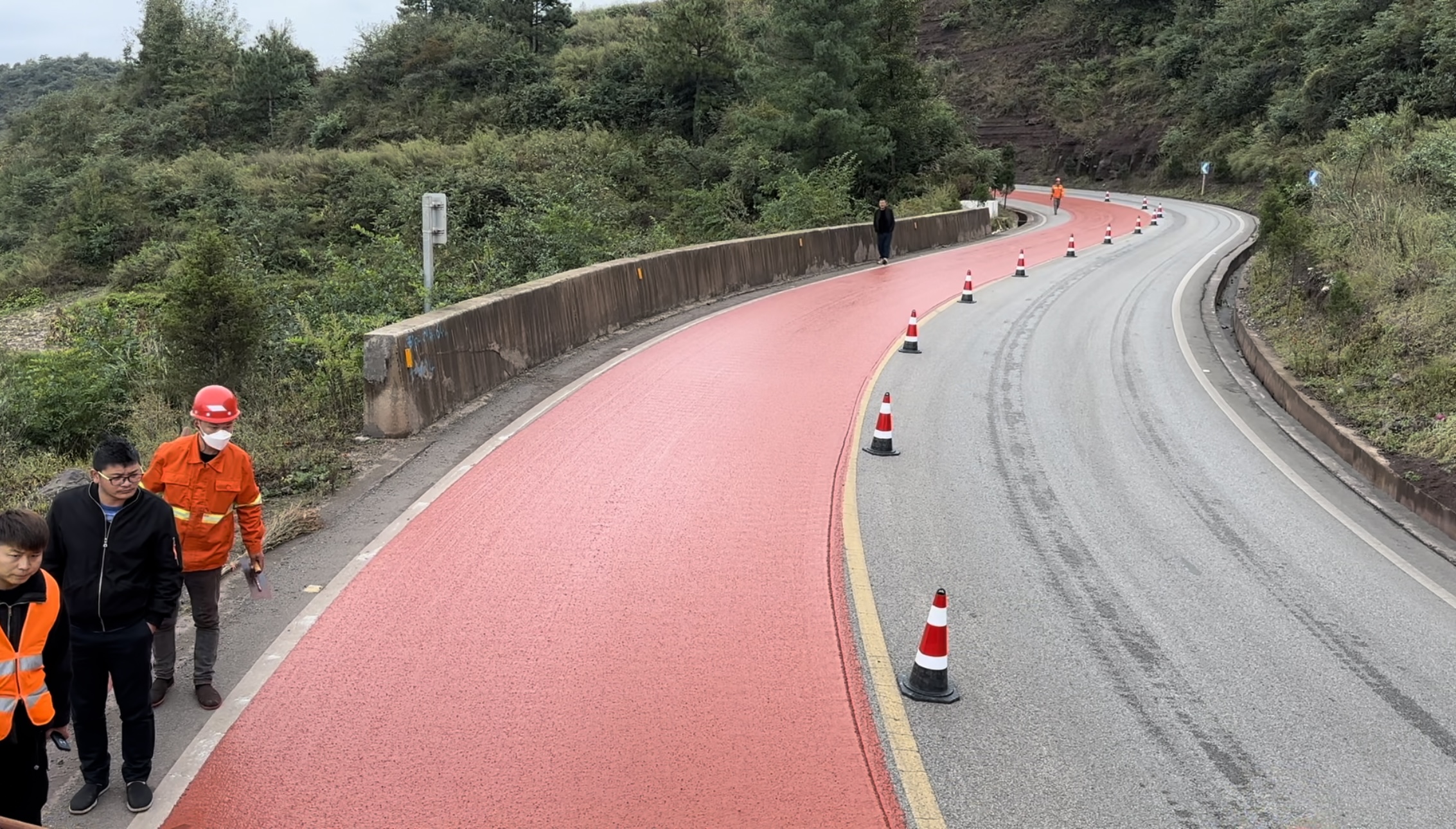
Compared with complete pavement reconstruction, micro-surfacing requires less material and shorter construction time. It provides an economical solution for municipalities managing large road networks.
The installation process is efficient, allowing roads to return to service quickly. This makes it suitable for busy urban areas where long closures are not practical.
With various color options available, municipalities can use colored micro-surfacing to create visually organized road systems and improve city aesthetics.
A typical colored micro-surfacing application includes:
Cleaning and preparing the existing pavement surface
Repairing major cracks or damaged areas
Mixing aggregates, emulsion, pigments, and additives
Applying the mixture evenly onto the road surface
Allowing sufficient curing time before opening to traffic
Professional installation ensures proper bonding, surface texture, and long-term performance.
Municipal governments and contractors need pavement solutions that balance safety, durability, appearance, and budget efficiency. Colored micro-surfacing meets these requirements by providing a practical method for upgrading existing roads without major reconstruction.
It is especially suitable for cities looking to improve transportation safety, promote cycling infrastructure, and enhance public spaces.
Colored micro-surfacing is an effective solution for modern municipal road maintenance and urban improvement projects. It combines pavement protection, safety enhancement, and decorative performance in one system.
From city streets and bicycle lanes to bus corridors and public spaces, colored micro-surfacing helps municipalities create safer, more attractive, and longer-lasting road environments.