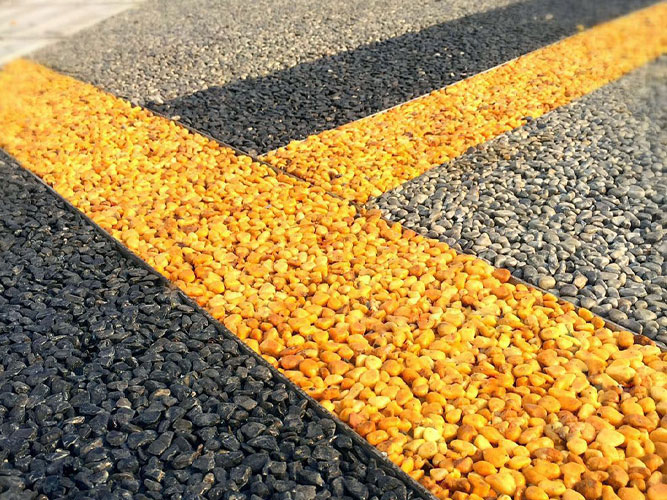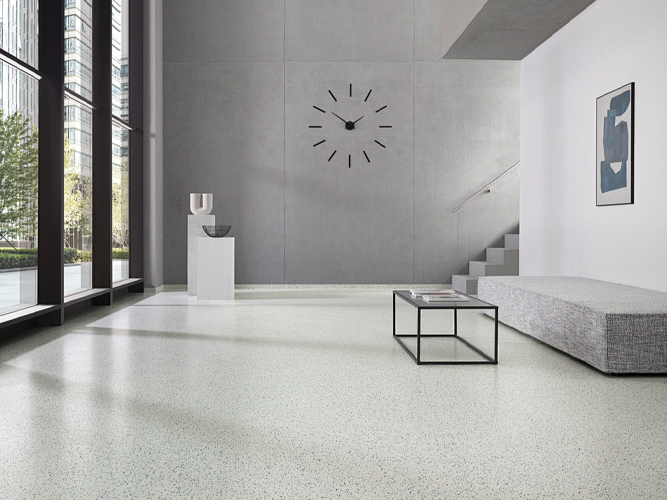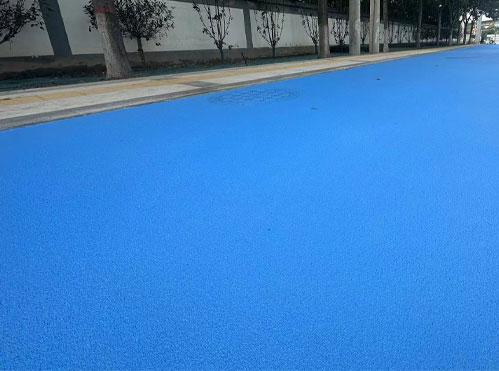
Colored road surfaces have become an important part of modern transportation infrastructure. By combining safety, functionality, and visual appeal, they help cities create more organized and efficient road networks. From bicycle lanes and pedestrian crossings to bus lanes and scenic roads, colored pavement is widely used around the world to improve traffic management and enhance road safety.
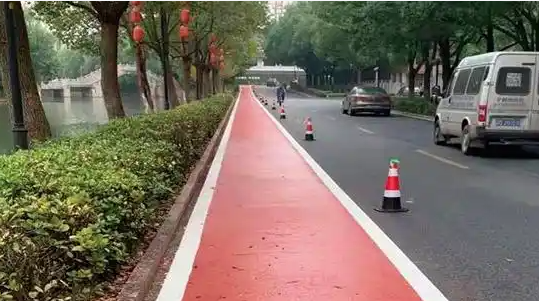
One of the primary benefits of colored road surfaces is increased visibility. Bright colors such as red, green, blue, and yellow immediately attract attention and help drivers recognize specific traffic zones. This visual distinction can reduce confusion and encourage safer driving behavior.
Colored anti-slip road surfaces are especially effective in:
Sharp curves
Intersections
School zones
Pedestrian crossings
Bus stops
Bicycle lanes
The clear color contrast helps road users identify potential hazards and react more quickly.
Many colored road systems incorporate high-friction aggregates and resin-based binders that provide excellent skid resistance. These surfaces improve tire grip, especially during wet weather conditions.
Benefits include:
Shorter braking distances
Better vehicle control
Reduced risk of skidding
Improved safety for cyclists and pedestrians
This makes colored anti-slip pavement particularly suitable for high-risk traffic areas.
Colored pavement helps separate different transportation users and clearly define road functions. Dedicated colors can be used to distinguish:
Bicycle lanes
Bus lanes
Pedestrian pathways
Parking areas
Emergency vehicle zones
By creating visual guidance, colored road surfaces improve traffic flow and reduce conflicts between vehicles, cyclists, and pedestrians.
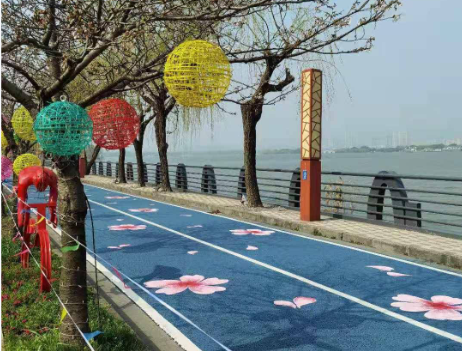
Beyond safety, colored pavement contributes to the visual quality of urban environments. Modern cities increasingly use colored road surfaces to enhance streetscapes, public plazas, parks, and commercial districts.
The use of color can:
Improve the appearance of public spaces
Strengthen community identity
Highlight tourist attractions
Create more welcoming urban environments
A well-designed colored pavement system combines functionality with aesthetics.
High-quality colored road surfaces are designed to withstand heavy traffic loads and challenging weather conditions. Modern materials often feature:
UV resistance
Wear resistance
Weather resistance
Strong adhesion
Long-lasting color retention
When properly installed, colored pavement can maintain its appearance and performance for many years.
Many modern colored pavement systems use water-based or low-VOC materials that support sustainable construction practices. Some specialized surfaces can also help reduce maintenance requirements and extend pavement life.
As cities focus on greener infrastructure, environmentally friendly colored road technologies are becoming increasingly popular.
Colored road surfaces are commonly used in:
Urban roads
Bicycle networks
Pedestrian crossings
School zones
Parking lots
Airports
Industrial parks
Tourist destinations
Residential communities
Their versatility makes them suitable for both safety-focused and decorative projects.
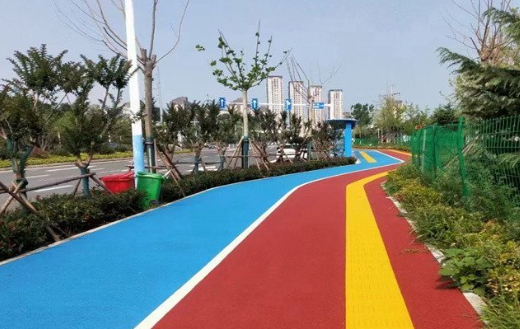
Colored road surfaces offer far more than visual appeal. They improve safety, increase skid resistance, enhance traffic organization, and contribute to attractive urban environments. With advances in pavement technology, modern colored road systems provide durable, cost-effective solutions for cities seeking safer and more efficient transportation infrastructure. As demand for smart and sustainable road networks continues to grow, colored pavement is becoming a preferred choice for infrastructure projects worldwide.