Colored road surfaces play an important role in improving traffic safety and reducing road accidents. By combining high visibility with anti-slip performance, colored pavement systems help drivers, cyclists, and pedestrians recognize traffic zones more clearly and respond more quickly to road conditions. As modern cities continue to face increasing traffic congestion and complex transportation challenges, colored road surfaces have become an effective solution for safer road infrastructure.
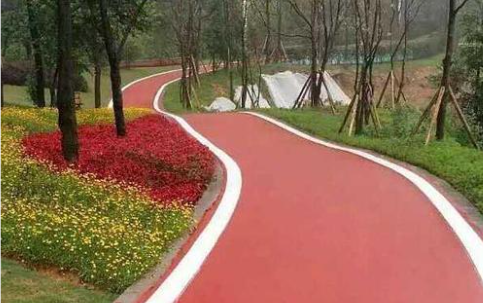
One of the key ways colored road surfaces reduce accidents is by improving visual guidance. Bright colors such as red, green, blue, and yellow help distinguish specific traffic areas, including bicycle lanes, bus lanes, pedestrian crossings, school zones, and hazardous intersections. These clear visual markings attract driver attention and encourage better lane discipline, reducing confusion and traffic conflicts.
Colored pavement is especially effective in high-risk areas such as sharp curves, steep slopes, tunnels, bridges, and deceleration zones. Drivers can identify these dangerous sections earlier and adjust their speed accordingly. In poor weather conditions or at night, the strong color contrast improves road visibility and enhances driver awareness.
Another major safety benefit is enhanced skid resistance. Most colored road surfaces use anti-slip aggregates such as ceramic particles or calcined bauxite embedded within resin-based coatings. This textured surface increases friction between tires and the pavement, helping vehicles maintain better traction during braking and turning. As a result, braking distances are reduced and the risk of skidding accidents decreases significantly, particularly on wet roads.
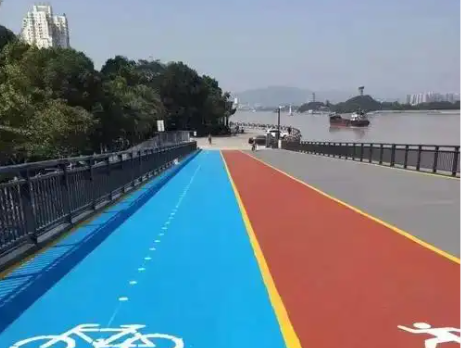
Colored road systems also improve pedestrian and cyclist safety. Dedicated colored lanes clearly separate non-motorized traffic from vehicles, helping reduce collisions in busy urban environments. Anti-slip pedestrian crossings and sidewalks further reduce the risk of slips and falls during rainy conditions.
In addition to safety improvements, colored road surfaces contribute to more organized and efficient traffic management. Traffic authorities can use different colors to communicate road functions, direct vehicle flow, and improve navigation in crowded areas. This helps reduce sudden lane changes and driver errors that often lead to accidents.
Modern colored pavement systems are highly durable and resistant to wear, UV exposure, and harsh weather conditions. Their long-lasting performance makes them suitable for highways, city roads, airports, parking facilities, and industrial zones.
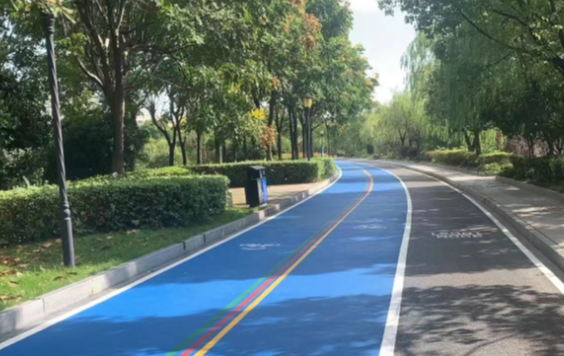
As transportation safety standards continue to rise worldwide, colored road surfaces are becoming an essential part of modern traffic engineering. By improving visibility, increasing skid resistance, and enhancing road organization, these systems help create safer and more efficient transportation networks for all road users.