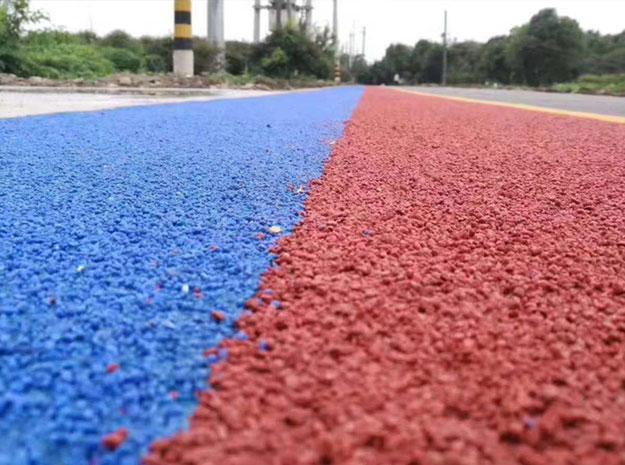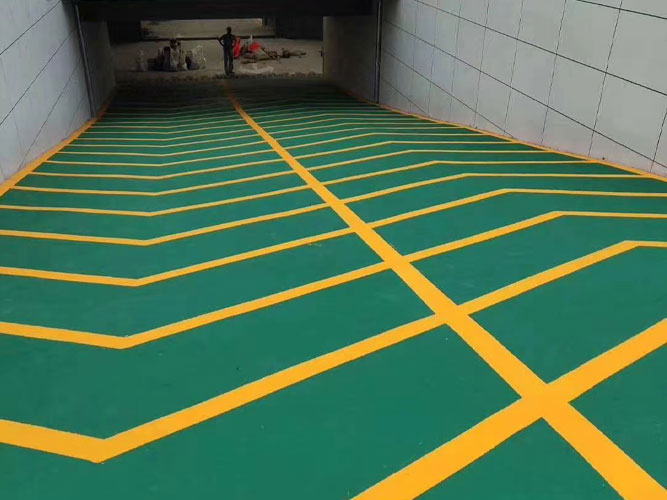
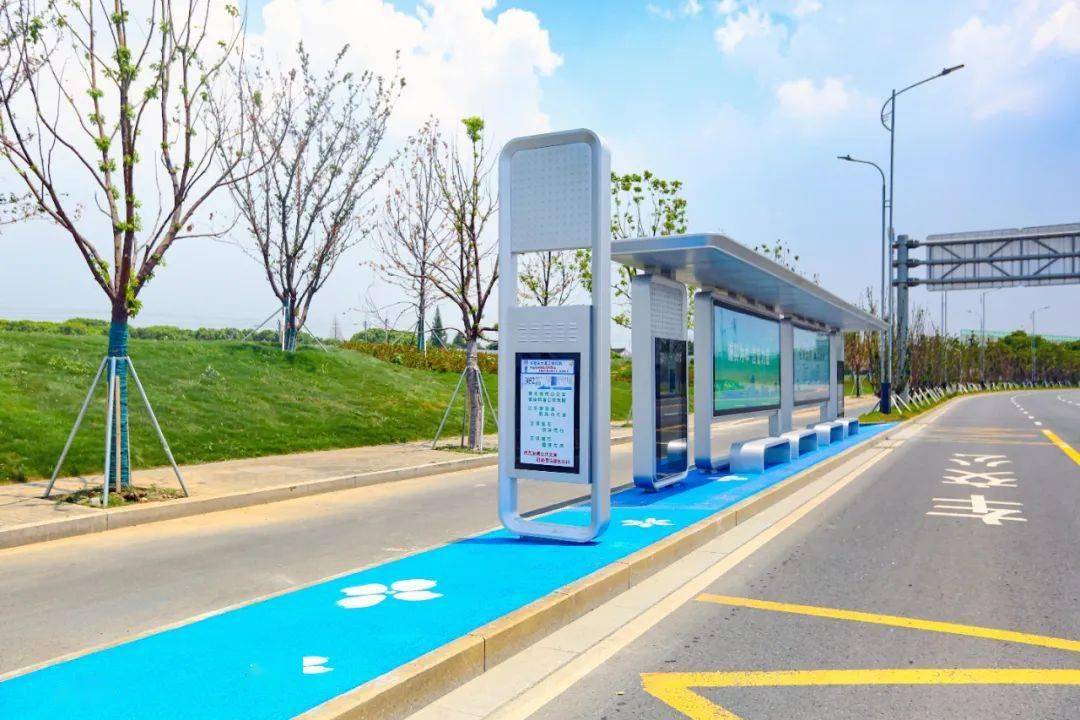
Colored anti-slip pavement is becoming an essential solution in modern urban design and road engineering. By combining high visibility with enhanced surface friction, it significantly improves safety for drivers, cyclists, and pedestrians in both high-speed and low-speed environments. Below are the key benefits that make it a widely adopted traffic safety innovation.
One of the most important advantages of colored anti-slip pavement is its strong visual guidance effect. Bright and contrasting colors help clearly define lanes, crossings, bus lanes, bike paths, and hazard zones.
This visual separation reduces confusion, especially in complex intersections or areas with heavy traffic flow.
Beyond appearance, the surface is engineered with high-friction materials such as resin binders and mineral aggregates. These create a rough texture that increases tire grip.
This significantly reduces the risk of skidding, especially during:
Rainy or wet conditions
Sharp turns
Sudden braking situations
Colored anti-slip pavement is often used in high-risk zones such as:
Intersections
School zones
Pedestrian crossings
Highway ramps
By improving both visibility and traction, it helps lower collision rates and enhances driver reaction time.
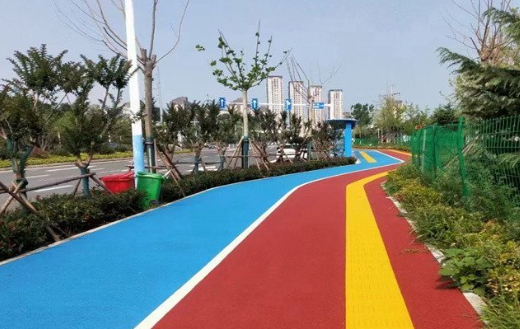
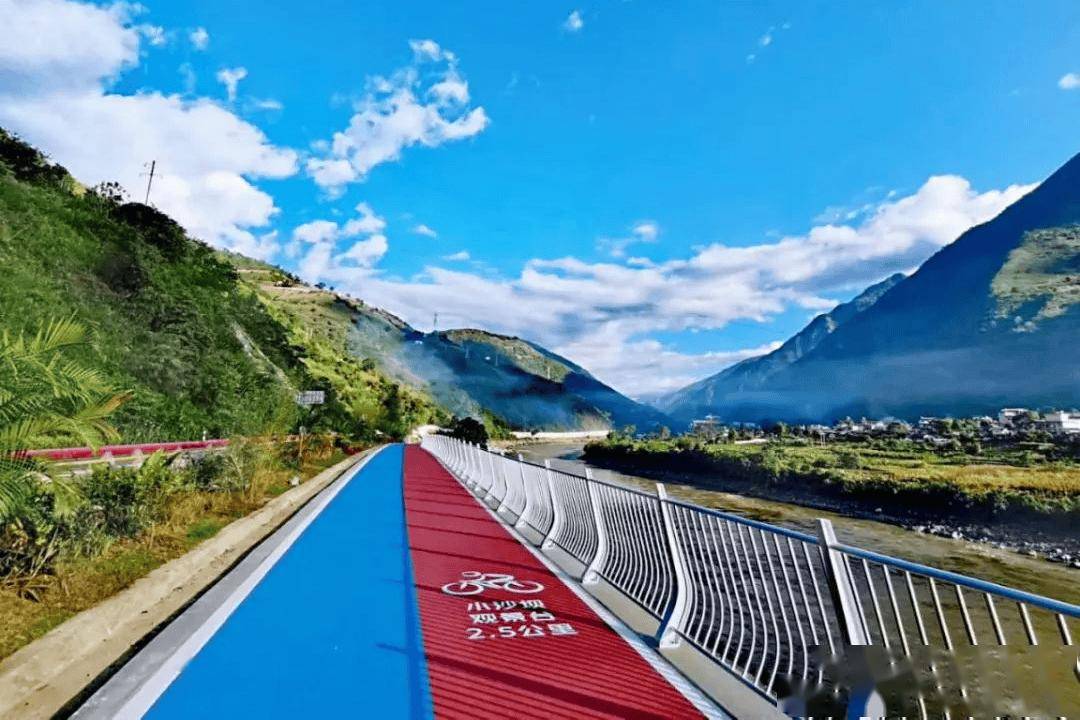
Color-coded pavement provides intuitive road guidance. For example:
Red or green surfaces for bicycle lanes
Blue zones for special parking or accessibility areas
Bright markings for pedestrian priority zones
This clear separation of space improves traffic organization and reduces conflicts between road users.
Rain, fog, and nighttime driving often reduce road safety. Colored anti-slip pavement maintains:
Strong surface texture for grip
High reflectivity and contrast
Better lane recognition under low visibility
This makes it especially valuable in climates with frequent rain or long nighttime driving hours.
Modern colored anti-slip pavement systems use advanced polymer or resin-based materials that offer:
Strong adhesion to asphalt or concrete
Resistance to UV fading
Long service life under heavy traffic
This reduces maintenance frequency and long-term repair costs while maintaining consistent safety performance.
Bright colored surfaces naturally influence driver behavior. When drivers perceive a visually “active” road surface, they tend to:
Slow down
Increase attention
Follow lane discipline more carefully
This psychological effect contributes to safer urban traffic environments.
Colored anti-slip pavement is more than a decorative road surface—it is a functional safety system. By improving visibility, increasing friction, and guiding road users more effectively, it plays a critical role in reducing accidents and enhancing overall traffic safety in modern cities.