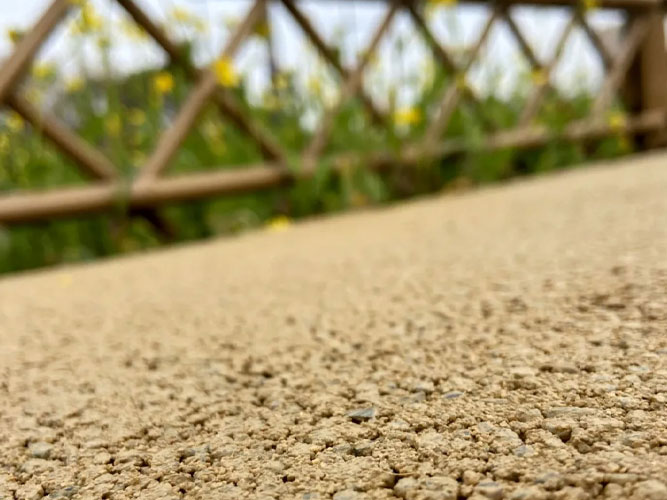
Road anti-skid materials are essential components of modern transportation infrastructure. Designed to improve pavement friction and enhance road safety, these materials help reduce vehicle skidding, shorten braking distances, and provide better control in both dry and wet conditions. They are widely used on highways, intersections, bridge decks, bicycle lanes, pedestrian crossings, parking areas, tunnels, and steep ramps where traffic safety is a priority.
Road anti-skid materials are high-friction pavement systems applied to road surfaces to increase tire grip and improve overall driving safety. By creating a textured and durable surface, these materials help vehicles maintain traction during acceleration, braking, and cornering. They are particularly effective in areas with high traffic volumes, sharp curves, frequent rainfall, or other conditions that increase the risk of skidding.
Several types of anti-skid surfacing systems are used in road construction and maintenance projects.
Resin-based systems use high-strength binders combined with anti-skid aggregates to create a durable and long-lasting surface. Common binder technologies include epoxy resin, polyurethane resin, and methyl methacrylate (MMA) resin. These systems offer excellent adhesion, wear resistance, and high friction performance.
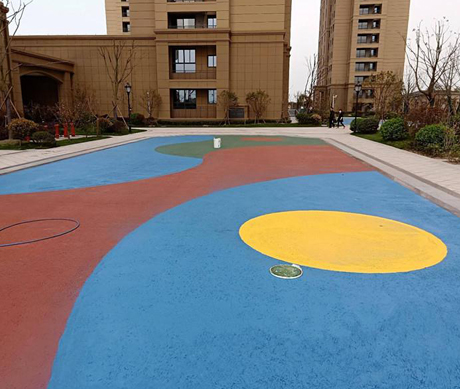
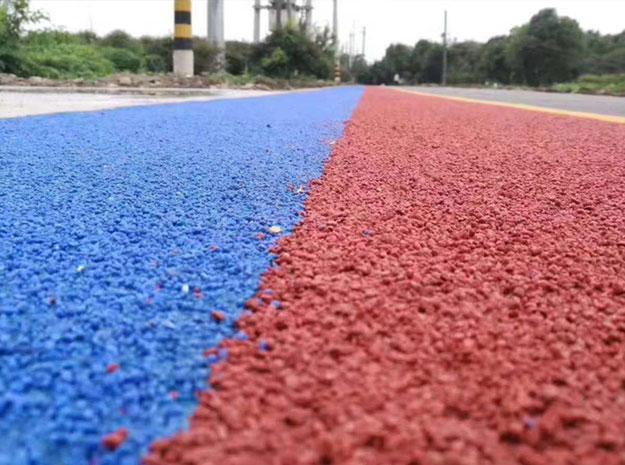
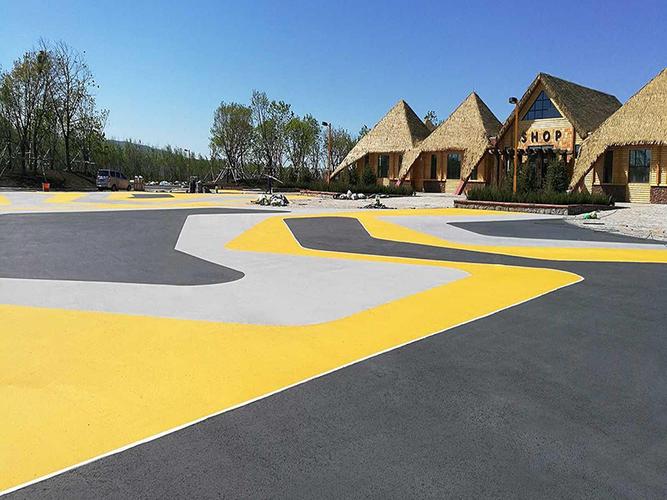
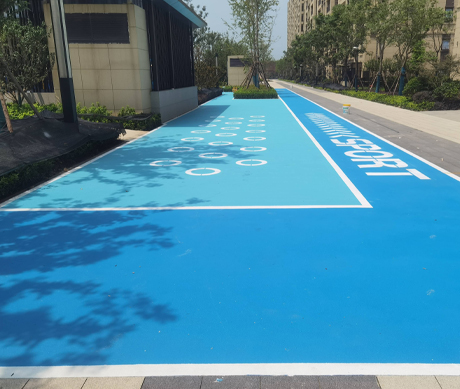
Colored anti-skid materials provide both safety and visual guidance. They are commonly used for bicycle lanes, bus lanes, pedestrian zones, school areas, and urban traffic management projects. Bright colors improve visibility while maintaining strong skid resistance.
Water-based pavement systems are environmentally friendly solutions that produce low VOC emissions. They are increasingly used in sustainable infrastructure projects while still delivering reliable traction and durability.
HFST systems utilize premium aggregates and specialized binders to maximize pavement friction. These treatments are often applied at accident-prone locations such as sharp curves, intersections, bridge approaches, and highway ramps.
Although formulations vary depending on application requirements, most road anti-skid materials consist of three primary components.
The binder serves as the adhesive layer that securely bonds aggregates to the pavement surface. High-quality binders provide durability, flexibility, weather resistance, and strong adhesion to asphalt or concrete substrates.
Aggregates create the textured surface responsible for friction performance. Common materials include calcined bauxite, ceramic particles, quartz sand, and other high-hardness aggregates designed to resist polishing and wear.
Colored pavement systems often include durable pigments to improve visibility and traffic guidance. Additional additives may enhance UV resistance, weather resistance, curing performance, and overall durability.
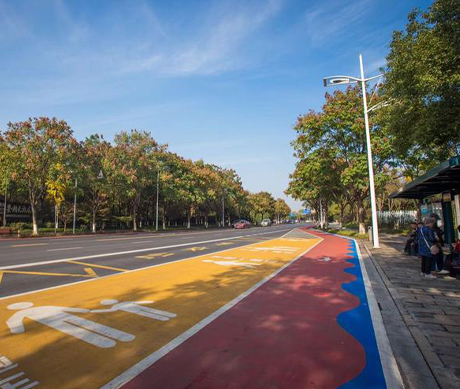
The primary function of anti-skid materials is to increase pavement friction and improve tire grip, helping reduce accident risks.
Higher friction levels allow vehicles to maintain better control and shorter stopping distances, especially during rain or emergency braking situations.
Colored anti-skid surfaces clearly identify traffic zones, bicycle lanes, pedestrian crossings, and safety-critical areas.
Advanced materials are engineered to withstand heavy traffic loads, ultraviolet exposure, temperature fluctuations, and harsh environmental conditions.
By extending pavement service life and reducing maintenance requirements, anti-skid systems help lower long-term infrastructure costs.
Road anti-skid materials have become a vital part of modern road safety strategies. Through advanced binder technologies, high-performance aggregates, and durable surface designs, these systems improve traction, enhance visibility, and support safer transportation networks. As infrastructure projects continue to prioritize safety, sustainability, and long-term performance, anti-skid pavement materials will remain an important solution for roads, bridges, bicycle lanes, and urban mobility systems worldwide.